
Europe Confronts 'Pervert Glasses' as Oslo Bans Smart Spectacles in Schools
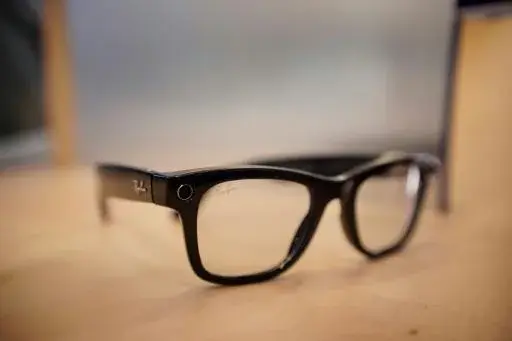
Meta’s smart glasses, which sold seven million units in 2025, face growing backlash in Europe over covert recording and privacy violations. Oslo has banned the devices in schools, while a UK petition calls for a sales ban. The EU is reviewing data protection compliance, and Meta claims its LED indicators deter misuse, though critics argue the technology enables 'total surveillance' and harassment.
Key points
- Meta sold approximately 7 million pairs of smart glasses in 2025, up from 2 million in 2023-2024, driven by AI integration and partnerships with EssilorLuxottica.
- Oslo, Norway, banned smart glasses in all schools effective August 27, 2026, citing concerns that children are becoming 'extras in Meta's data collection.'
- A UK petition titled 'Stop Smart Glasses' has gathered over 9,100 signatures, demanding a ban on sales if it reaches 10,000 signatures to trigger a government response.
- Meta states it has updated its glasses to disable the camera if the recording LED light is tampered with, claiming this has deterred third-party tampering services.
- The European Data Protection Board commissioned a report on the 'social acceptability' of the glasses, expected in autumn 2026, to guide EU legislation.
- Critics, including EU lawmaker Veronika Cifrova Ostrihonova, argue that current data protection rules are insufficient to prevent non-consensual filming and facial recognition misuse.
Background
The rise of AI-powered wearable technology follows a failed 2013 Google initiative, with Meta’s recent success attributed to advances in AI and a marketing tie-up with Kylie Jenner. Previous archive coverage noted the feasibility of microLED HUDs in smart glasses, but the current controversy centers on camera capabilities and privacy rather than display technology. The debate mirrors broader concerns about surveillance in public spaces, with earlier incidents in New York and Scotland highlighting tensions between content creators and public consent.
How outlets are covering it
AFP and Daily Sun emphasize the regulatory and political backlash, highlighting Oslo’s school ban and EU scrutiny. BBC provides a balanced view, noting that while some users like content creator Pearse Vallely use the glasses positively, others face harassment and legal issues. Meta defends the technology as beneficial for visually impaired users and claims its LED indicators ensure transparency, while critics like the Women’s Resource and Development Agency argue that the lack of awareness and legal redress for victims of covert filming is a critical failure. Yahoo’s source was inaccessible due to a technical error, so no perspective could be extracted from it.
Why it matters
The controversy over smart glasses highlights the tension between technological innovation and privacy rights in public spaces. As sales grow exponentially, the potential for non-consensual recording, harassment, and data exploitation raises urgent questions about the adequacy of existing laws. The response from local governments, such as Oslo’s ban, and the EU’s upcoming report could set precedents for regulating wearable technology globally, impacting how companies design and market future devices.
What to watch
The European Data Protection Board’s report on the 'social acceptability' of smart glasses is expected in autumn 2026, which may influence EU-wide regulations. The UK government must respond to the 'Stop Smart Glasses' petition if it reaches 10,000 signatures. Norway’s government is considering broader regulations on facial recognition features in public spaces. Meta and other tech companies may face increased scrutiny and potential restrictions on features that enable covert recording or data collection without consent.
- Europe eyes battle over 'pervert' AI glasses afp.com
- The Meta glasses revolution - is it okay to film people in public? bbc.com
- Meta camera glasses should be banned for privacy reasons, says Dutch consumer group NL Times
- US police fear Meta glasses could secretly record inside jails and detention centers Yahoo
- Oslo bans smart glasses in schools daily-sun.com
Want the full story? Read the original reporting
Read on afp.com