
Trump Signs Drone Tariffs: 100% on Military, 25% on Consumer Models
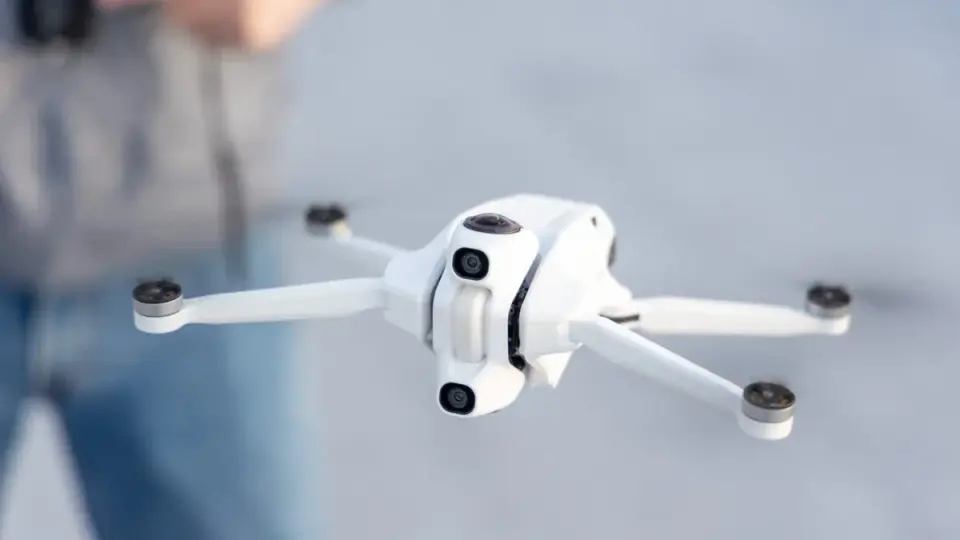
President Trump signed proclamations imposing new tariffs on drones and components to reduce reliance on foreign suppliers, particularly China. The order imposes a 100% tariff on large or 'sensitive' drones with thermal imaging and a 25% tariff on smaller consumer models. These measures aim to boost domestic manufacturing and national security, though they will likely raise prices for the few remaining legal consumer drones in the US market.
Key points
- Trump signed a proclamation imposing a 100% tariff on drones with thermal imaging or weighing over 25kg, and a 25% tariff on smaller drones under 250g.
- Additional 15% tariffs apply to drone parts from the EU, Japan, South Korea, Switzerland, Liechtenstein, and Taiwan, while the UK faces a 10% duty.
- The tariffs take effect within 21 days for sensitive items and 180 days for less sensitive components, aiming to shift production to US soil.
- DJI, the dominant global maker, faces continued restrictions as its recent models lack FCC clearance, leaving Antigravity as the primary alternative for advanced consumer features.
- Defense stocks like Unusual Machines and Kratos rallied on the news, reflecting a broader push to reindustrialize the US military supply chain.
Background
This move follows earlier FCC actions in 2026 that barred many foreign-made drones from the US market. Previous coverage noted that while older DJI models remained legal, new imports faced significant hurdles. The current tariffs escalate these restrictions by targeting the supply chain directly, building on a $1 billion 'drone dominance' program launched earlier this year to scale domestic manufacturing.
How outlets are covering it
Gizmodo emphasizes the impact on consumer prices, noting that the 25% tariff on small drones will make the few available options significantly more expensive. CNBC focuses on the financial markets, highlighting stock rallies for US drone makers like Unusual Machines and Red Cat, and framing the tariffs as a move to boost domestic manufacturing. Bloomberg frames the action as a deepening of US-China tech decoupling, while ABC News provides the broader context of simultaneous defense procurement changes, including Navy shipbuilding orders. All sources agree on the tariff rates and the national security rationale, but differ in emphasis: consumer cost versus industrial policy versus geopolitical strategy.
Why it matters
The tariffs directly affect the availability and cost of consumer drones in the US, potentially ending the era of affordable imported devices. For the defense sector, it signals a shift toward self-sufficiency, reducing reliance on Chinese components. Consumers may face higher prices or limited choices, while US manufacturers gain a competitive advantage. The move also reflects a broader trend of using trade policy to address perceived national security risks in technology.
What to watch
The tariffs will take effect within 21 days for sensitive items and 180 days for others. The FCC is currently seeking public comment on whether to ban previously cleared drones. The Department of Commerce is set to launch an onshoring program to support US drone manufacturers. DJI and other companies may face further restrictions as the FCC reviews existing approvals.
- Trump Declares the Few Drones You Can Still Buy Will Cost Way More Gizmodo
- Trump administration to impose tariffs on drone imports, White House says Reuters
- Drone stocks rally after Trump orders tariffs on foreign-made components CNBC
- Trump’s 100% Tariff on Drones Deepens US-China Tech Decoupling Bloomberg
- Trump signs proclamations imposing new drone tariffs, orders Navy to allow shipbuilding abroad ABC News - Breaking News, Latest News and Videos
Want the full story? Read the original reporting
Read on Gizmodo