
EU Kids Act Faces Fragmentation as Nations Rush to Enact Social Media Bans
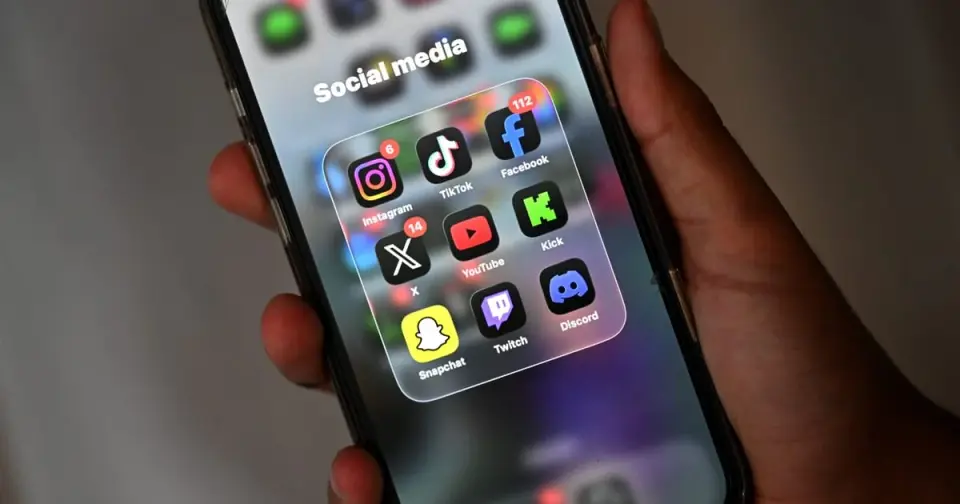
The European Commission’s proposed 'Kids Act' aims to ban social media access for under-13s and restrict it for under-15s, but national governments are moving ahead with their own laws due to legislative delays. Countries like France, Greece, and Italy have enacted or proposed stricter national bans, creating a fragmented regulatory landscape. The Commission must now determine how to reconcile these national measures with the upcoming EU-wide framework, which is not expected to be implemented until 2028.
Key points
- The EU Kids Act, proposed in September 2026, seeks to ban social media for under-13s and restrict access for under-15s, but implementation is delayed until 2028.
- National governments, impatient with Brussels, are enacting their own laws; France banned social media for under-15s, while Greece and Italy passed similar restrictions.
- The Commission must assess the compatibility of national laws with EU rules, with Austria’s proposal serving as the first test case.
- The Act requires robust age verification using zero-knowledge proof technology, posing technical and cost challenges for platforms.
- National laws may be repealed once the EU-wide measures take effect, but interim fragmentation could confuse minors and parents.
Background
The EU has previously relied on the Digital Services Act to regulate large platforms, but growing concerns over teen mental health and multimillion-dollar settlements against Meta and TikTok in the US have intensified pressure for stricter child protection measures. The Kids Act represents a significant escalation in EU regulatory ambition, aiming to harmonize rules across member states to avoid a patchwork of national laws.
How outlets are covering it
Politico highlights the tension between Brussels and national capitals, noting that countries like Denmark and Greece are pushing forward with national legislation despite supporting an EU-wide solution. Osborne Clarke and Pinsent Masons focus on the technical and legal challenges of age verification, emphasizing the difficulty of implementing zero-knowledge proof systems and verifying parental responsibility. Almostmag.co provides a factual account of France’s lead in enacting a national ban, noting the political support and potential constitutional challenges. The outlets differ in emphasis: Politico focuses on political dynamics, while the legal firms focus on implementation hurdles, and Almostmag.co focuses on the first-mover status of France.
Why it matters
The fragmentation of social media regulations across the EU could create a confusing and inconsistent experience for minors and parents, while also complicating compliance for tech companies. The delay in implementing the EU-wide Kids Act means that national laws will likely remain in effect for several years, potentially leading to a patchwork of regulations that undermines the goal of a unified digital market. Additionally, the technical challenges of age verification could lead to increased costs for platforms and potential privacy concerns for users.
What to watch
The European Commission is expected to issue its first response to national laws by late October 2026, starting with Austria’s proposal. The Kids Act will undergo negotiations between the Commission, European Parliament, and EU governments, with implementation expected in 2028. National governments may continue to adjust their laws in response to the Commission’s guidance, and platforms will need to prepare for the technical and legal requirements of age verification and safety-by-design measures.
- Impatient with Brussels, European capitals forge ahead with social media bans POLITICO.eu
- EU KIDS ACT's proposed new online child protection rules signal legal reforms in Spain Osborne Clarke
- KIDS Act: age assurance and parental authority verification pose challenges Pinsent Masons
- France Has Become The First EU Country To Ban Social Media For Children Under 15 almostmag.co
- Listen Back: Local teens welcoming EU proposals to cut down screen time NorthernSound
Want the full story? Read the original reporting
Read on POLITICO.eu