Tag

Orbital Decay

All articles tagged with #orbital decay

Swift Observatory to Burn Up as Failed Rescue Mission Ends in Atmospheric Reentry
space8 days ago

Swift Observatory to Burn Up as Failed Rescue Mission Ends in Atmospheric Reentry

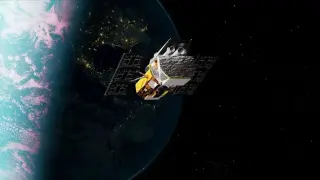
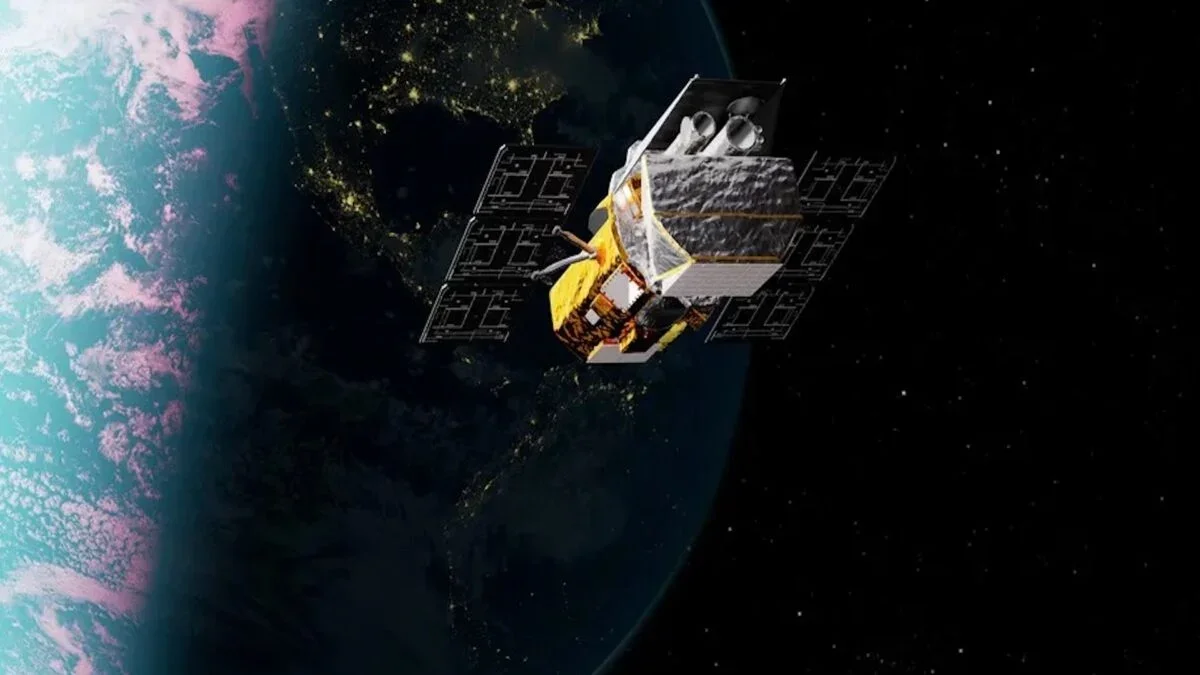
NASA’s Neil Gehrels Swift Observatory is rapidly decaying toward Earth after a failed commercial rescue mission. The telescope, which has operated for over two decades, is expected to reenter the atmosphere and burn up in early to mid-October. Although the $30 million effort by Katalyst Space Technologies failed to boost Swift’s orbit, it provided critical data for future satellite servicing technologies. Scientists have resumed observations to maximize data collection before the inevitable end, accepting that this activity accelerates the telescope's descent.
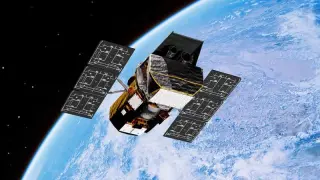

Swift Observatory to burn up after failed rescue; LINK mission ends
science9 days ago

Swift Observatory to burn up after failed rescue; LINK mission ends

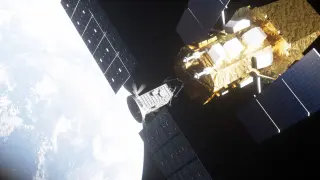
NASA’s Neil Gehrels Swift Observatory is expected to re-enter Earth’s atmosphere and burn up in early to mid-October 2026. The 22-year-old telescope, which weighs 3,200 pounds, is currently at an altitude of 200 miles and will drop below 185 miles, where operations become unfeasible. A $30 million rescue attempt by Katalyst Space’s LINK satellite failed due to orientation issues and fuel depletion. Although the boost failed, LINK successfully demonstrated robotic arm deployment and close-proximity maneuvers before re-entering on September 25. Swift will continue limited observations until its orbit decays further, with no immediate replacement planned.

Chinese Satellite Breakup Leaves Centuries-Long Orbital Debris Trail
space27 days ago

Chinese Satellite Breakup Leaves Centuries-Long Orbital Debris Trail

Rising space activity is turning Earth’s orbit into a growing debris field. China’s Yaogan 50-02 satellite disintegrated after reaching a high retrograde orbit, producing 43 pieces tracked in orbits roughly 372–683 miles up. Because these fragments are at elevated altitudes, they could persist for centuries (and even millennia), increasing collision risk and exemplifying the Kessler syndrome threat; researchers cite the 2025 CRASH Clock framework, which warns that a widespread disruptive event could trigger a rapid cascade of orbital debris.

Swift telescope resumes science after failed orbital boost mission
science1 month ago

Swift telescope resumes science after failed orbital boost mission

NASA's Neil Gehrels Swift Observatory has resumed science observations with the XRT and UVOT after a private rescue mission failed to boost its orbit, leaving the Burst Alert Telescope offline. With no propulsion, Swift's orbit continues to decay, and NASA says boosting Swift is off the table; the agency now expects the observatory to reach a critical altitude in 1–2 months and likely reenter later this year, while it continues to scan the cosmos and issue alerts from its remaining capabilities.

NASA Halts Swift Rescue Mission as Observatory Nears Re-entry
space1 month ago

NASA Halts Swift Rescue Mission as Observatory Nears Re-entry

NASA canceled the plan to boost the Neil Gehrels Swift Observatory to a higher orbit after LINK’s attitude-control issues; the telescope is expected to re-enter Earth’s atmosphere later this year. LINK will still rendezvous with Swift to gather data, but the mission will not rescue or extend Swift’s life. NASA will pursue alternative options to react rapidly to cosmic events and learn from the rendezvous attempt for future satellite-servicing missions.

Race to Save Swift: private-led rescue mission in record time
technology3 months ago

Race to Save Swift: private-led rescue mission in record time

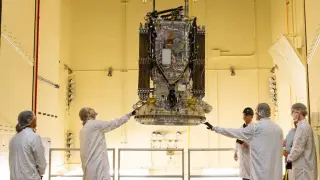
NASA and Katalyst Space Technologies are racing to save the Swift gamma-ray observatory by building the Link servicing spacecraft to capture Swift and boost it back to a safe orbit, launching aboard Northrop Grumman’s Pegasus XL on a record-fast timeline. The mission relies on streamlined contracting and aggressive testing under time pressure, potentially setting a blueprint for rapid, private-public space missions, though Swift continues to decay in low Earth orbit.

Solar Activity Quickens Space Debris Decay in Low Earth Orbit
space5 months ago

Solar Activity Quickens Space Debris Decay in Low Earth Orbit

A 36-year study of 17 debris objects in low Earth orbit shows that when solar activity rises to a certain level, heating of the thermosphere expands the atmosphere and increases drag, causing debris to lose altitude faster. The researchers identify a transition threshold near two-thirds of solar maximum and note stronger extreme ultraviolet emissions around solar peaks, with practical implications for satellite operators who may need more frequent orbit corrections and greater fuel reserves during active solar phases.

Hubble in a Death Spiral: Will Its Era End Soon?
science7 months ago

Hubble in a Death Spiral: Will Its Era End Soon?

NASA’s Hubble Space Telescope, launched 36 years ago, is now in a precarious era as orbital drag and aging gyros threaten its stability; forecasts place possible reentry from the late 2020s to the mid-2030s, with options including a controlled reentry or boosting to a higher orbit, though a post-Shuttle servicing mission isn’t feasible and any final mission remains uncertain, even amid occasional proposals like a SpaceX Crew Dragon visit.

NASA Puts Swift Observatory on Pause to Prevent Reentry, Seeks Rescue Mission
space-and-spaceflight7 months ago

NASA Puts Swift Observatory on Pause to Prevent Reentry, Seeks Rescue Mission

NASA has paused most Swift Observatory science operations to reduce atmospheric drag and slow its orbital decay, as the 21-year-old gamma-ray telescope faces a rising risk of uncontrolled reentry by mid-2026. To extend its life, NASA awarded a $30 million contract to Katalyst Space Technologies for a rescue mission to rendezvous with Swift and boost its orbit, with a launch aimed for June to keep the spacecraft above about 185 miles in altitude. The Burst Alert Telescope will still detect gamma-ray bursts, while other telescopes remain on hold to minimize drag.

Solar Storms Cause Musk's Satellites to Reenter Earth's Atmosphere
science-and-technology1 year ago

Solar Storms Cause Musk's Satellites to Reenter Earth's Atmosphere

Research indicates that increased solar activity shortens the lifespan of SpaceX's Starlink satellites and may cause them to reenter Earth's atmosphere at higher velocities, potentially increasing debris risks. The study highlights the impact of geomagnetic storms on satellite orbit and reentry, emphasizing the growing challenges of managing the increasing number of satellites in Earth's orbit.