
Legal Starlink Sales in Iraq and UAE May Undermine Iran’s Internet Blackouts
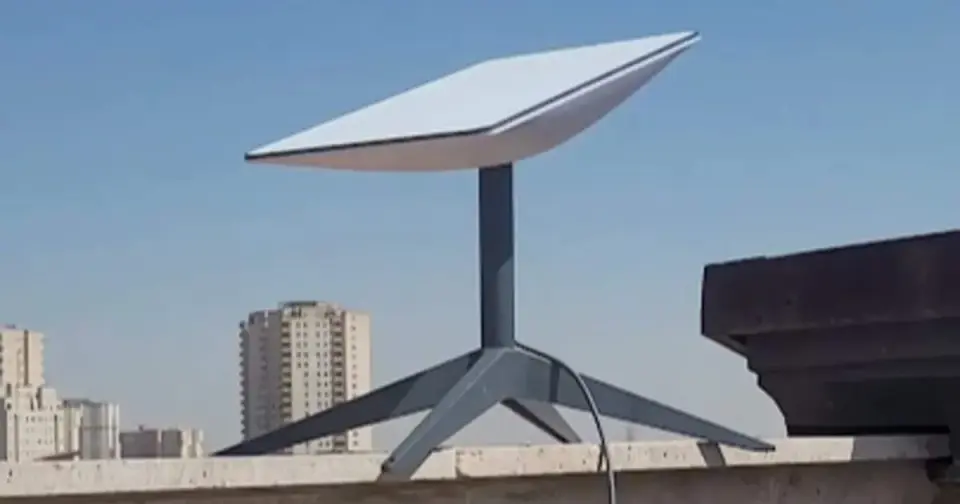
The recent legalization of Starlink in Iraq and the UAE could significantly lower the cost and increase the availability of satellite internet terminals in Iran. By bypassing black-market intermediaries, these new markets may make it harder for the Iranian government to enforce internet shutdowns during periods of unrest.
Key points
- Iraq authorized Starlink on July 17, and the UAE granted a 10-year license on August 28, with public sales starting September 3.
- A standard Starlink kit costs approximately $400 in the UAE, compared to $2,100 on Iran’s black market and $3,000 during the January 2026 shutdown.
- Legal sales in neighboring countries could shorten supply chains, reducing the risks and costs associated with covert border crossings.
- A single Starlink terminal can support 20 to 30 users for basic tasks like messaging, allowing one device to serve multiple households.
- SpaceX waived subscription fees for terminals in Iran during the January 2026 blackout, but the long-term sustainability of this policy remains uncertain.
Background
Starlink has emerged as a critical tool for circumventing government internet restrictions in Iran, particularly during the January 2026 blackout. Previous coverage noted SpaceX’s broader ambitions to provide global internet access and its competitive impact on traditional satellite providers like HughesNet. The current development builds on this by highlighting how regional market expansions directly affect the accessibility and affordability of this technology within Iran.
Why it matters
The availability of affordable Starlink terminals in neighboring countries could weaken the Iranian government’s ability to isolate its population from the global internet. By reducing reliance on expensive black-market channels, more citizens may gain access to independent news and communication channels, potentially impacting social stability and information control.
What to watch
The impact of these new markets depends on the resolution of regulatory disputes in Iraq, particularly regarding pricing and traffic routing. Additionally, the long-term viability of free subscription services for Iranian users remains uncertain, as SpaceX has not committed to indefinite waivers. Monitoring the actual flow of equipment across borders will be crucial to assessing the real-world impact on internet access in Iran.
Want the full story? Read the original reporting
Read on Iran International