
Amsterdam to raise tourist tax to 20% by 2031 to combat overtourism
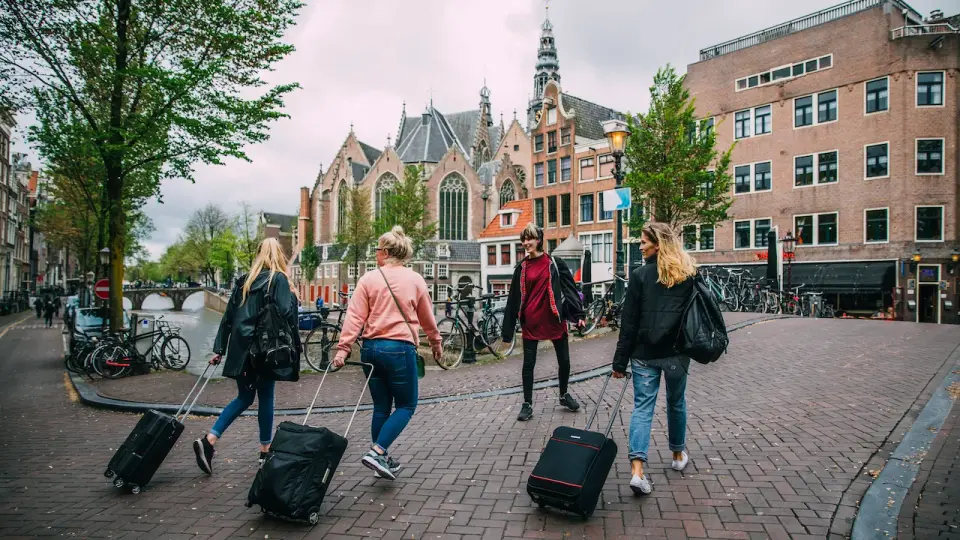
Amsterdam’s city council approved a plan to gradually increase the tourist tax from 12.5% to 20% by 2031. The first hike to 16% takes effect in January 2027. This move aims to reduce visitor numbers, which have exceeded the 20 million annual cap set in 2021, and fund municipal services like waste collection.
Key points
- The new coalition of PRO and D66 unveiled a plan to raise the tourist tax from 12.5% to 20% by 2031.
- The tax will increase to 16% starting January 1, 2027, applying to hotels, hostels, and short-term rentals.
- Combined with a 21% VAT on hotels introduced earlier in 2026, total accommodation costs could reach 41% by 2031.
- Amsterdam recorded 23.7 million overnight stays in 2025, exceeding the 20 million annual limit established in 2021.
- Critics argue the percentage-based tax may push tourists to cheaper accommodations rather than deterring them.
Background
Amsterdam has been grappling with overtourism for several years, implementing measures such as a 2023 'Stay Away' campaign to discourage disruptive behavior and limits on new hotel construction. The city is also seeking to ban river cruises by 2035. This latest tax increase follows a 2021 bylaw that failed to cap visitor numbers, with actual figures surpassing the limit every year since implementation.
How outlets are covering it
Fox News and The Washington Times highlight the potential for Amsterdam to have the second-highest tourist tax globally, behind Bhutan, by 2031. They note that travel expert Jordi Lippe-McGraw believes higher taxes may not deter long-term travelers but could harm small businesses and budget visitors. Visit Ukraine.Today and Time Out Worldwide emphasize the immediate financial impact on travelers, noting that a €200 hotel room will see the tax rise from approximately €20.66 to €26.45 per night in 2027. Opposition parties, including VVD council member Myron von Gerhardt, argue that the percentage-based tax is ineffective, suggesting a fixed fee instead, as it may encourage tourists to seek cheaper lodging rather than reducing overall visitation.
Why it matters
The policy reflects a broader European trend of using fiscal tools to manage overtourism and protect local living conditions. It signals a shift from welcoming tourists to actively managing their numbers and economic impact, potentially influencing travel patterns and municipal revenue across other major European cities.
What to watch
The 16% tourist tax takes effect on January 1, 2027. The rate is expected to increase by one percentage point annually until it reaches 20% by 2031. Hotel owners and tourism industry representatives will likely monitor occupancy rates and revenue impacts in the coming months to assess the policy's effectiveness.
- Costs to skyrocket for tourists in major city as popular destination battles crowds Fox News
- Visiting Amsterdam In 2027? Here’s What To Know About The City’s Raised Tourist Tax Yahoo
- A trip to Amsterdam will cost tourists more: What's behind the price increase? Visit Ukraine.Today
- Amsterdam hikes up its tourist tax in bid to lower tourism rates Washington Times
- It’s about to become even more expensive to visit this cool European capital Time Out Worldwide
Want the full story? Read the original reporting
Read on Fox News