
Uganda's Jinja: From Nile's Mysterious Source to Adventure Hub
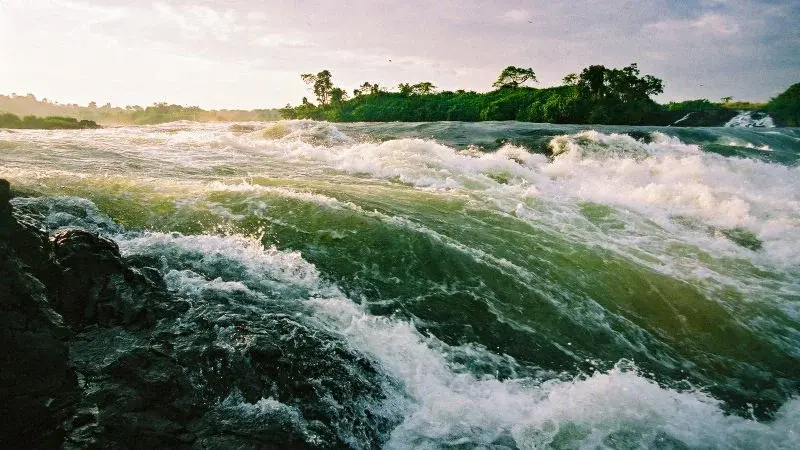
Jinja, Uganda, serves as the traditional gateway to the Nile's source and a hub for adventure tourism, blending historical significance with modern conservation efforts and natural wonders.
Key points
- Jinja is historically recognized as the source of the Nile, though the river's true origin is a complex network of tributaries in Rwanda and Burundi.
- The area has evolved from a colonial outpost to a major tourist destination, offering activities like bungee jumping and whitewater rafting.
- Conservation efforts in Mabira Forest include painting faces on trees to deter illegal logging, while wildlife populations in the Rwenzori Mountains are rebounding despite shrinking snow caps.
- Local mythology and spiritual traditions, such as the legend of Ssezibwa Falls, remain integral to the cultural landscape.
Background
Uganda has long been a focus of geological and exploratory interest, with the Nile's source being a major mystery for centuries. The country's natural wonders, including its mountains and forests, have been subjects of scientific and cultural study for over two millennia.
Why it matters
Jinja's transformation highlights how historical landmarks can evolve into sustainable tourism hubs, balancing economic development with environmental conservation and cultural preservation in East Africa.
What to watch
Tourism in Jinja is expected to continue growing, with further investments in adventure activities and conservation projects aimed at protecting Uganda's unique biodiversity and cultural heritage.
Want the full story? Read the original reporting
Read on CNN