
UK Early Release Scheme Begins Amid Overcrowding Crisis and Safety Fears
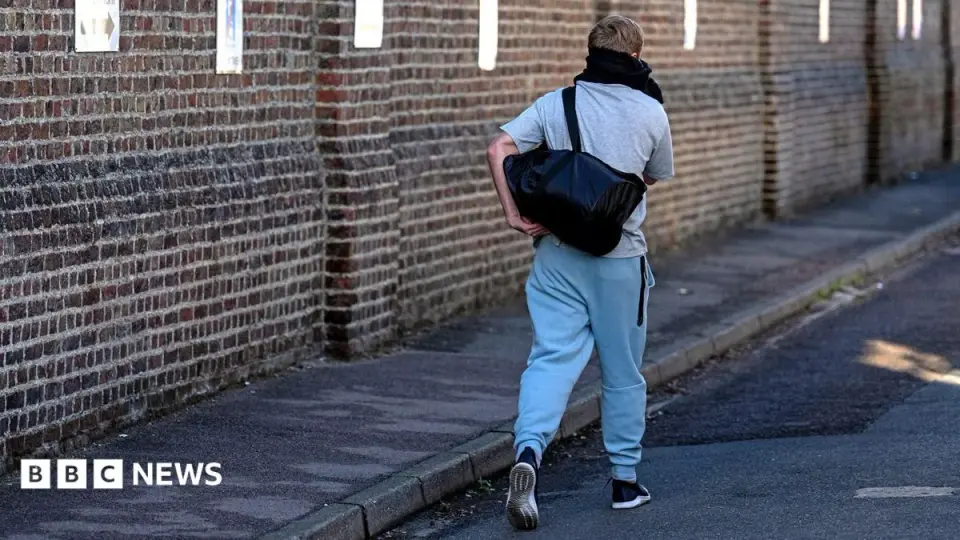
The UK government launched a new early release scheme on October 1, 2026, freeing approximately 700 prisoners in England and Wales to address severe overcrowding. While the Ministry of Justice frames the move as necessary to prevent system collapse, critics warn of inadequate support, housing shortages, and risks to victims of domestic abuse. The scheme, part of a phased rollout, has sparked outrage from probation unions and victim groups, who argue that current resources are insufficient to manage the influx of released offenders.
Key points
- Approximately 700 prisoners were released early on October 1, 2026, under the new Sentencing Act, with further phases planned through summer 2027.
- The scheme reduces the point of release for some offenders from 40% to 33% of their sentence, aiming to alleviate prison overcrowding, which reached 97-98% capacity in August 2026.
- Critics, including probation unions and victim support charities, warn that the probation service is underfunded and overstretched, with 60% of staff off sick due to burnout.
- Domestic abuse charities, such as Refuge and Women's Aid, express concern that victims are not adequately protected, with some survivors reporting fear and trauma upon learning of their abusers' early release.
- Housing shortages are a major issue, with one in seven prisoners sleeping rough after release, and probation officers struggling to find accommodation for those leaving custody.
Background
The UK prison system has faced a years-long crisis, with populations doubling over the past 30 years due to longer sentences and insufficient new prison places. Previous early release schemes in 2024 faced public backlash, leading to adjustments. The current scheme is part of a broader effort to address overcrowding, with the government aiming to build 14,000 new prison places by 2031.
How outlets are covering it
BBC News highlights the human impact, with released prisoners reporting surprise and lack of support, and victims expressing fear. CNN emphasizes the systemic crisis, noting that prisons are at near-capacity and that the scheme is a political minefield. The Guardian focuses on the practical challenges, such as housing shortages and probation service strain, while noting that the number of releases was reduced from 6,000 to 2,000 after Prime Minister Andy Burnham's intervention. The Telegraph was inaccessible due to a security block, but its earlier coverage suggested similar concerns about victim safety and system strain.
Why it matters
The early release scheme underscores the urgent need to address prison overcrowding in the UK, but it also highlights the risks of inadequate support and supervision. The backlash from victims and probation unions suggests that the government's approach may not be sustainable without significant investment in probation services and housing. The scheme's success will depend on how well the system can manage the influx of released offenders and ensure public safety.
What to watch
Further phases of the early release scheme are planned through summer 2027, with additional prisoners to be released. The government has announced a £700 million investment in probation services and aims to recruit more officers, but critics argue that these measures will take time to implement. The probation service is expected to face critical strain from October 13, when a second tranche of prisoners is released.
- Hundreds of prisoners being let out today as early release scheme starts BBC
- Britain’s prisons are full. The solution has sparked outrage CNN
- Abuse victim flees to ‘other side of world’ as early release scheme begins The Telegraph
- We fear for our lives after being told our abusive exes will be freed from jail early BBC
- Prisoners freed early in England and Wales risk living on the streets, say probation officers The Guardian
Want the full story? Read the original reporting
Read on BBC