
UK victims of domestic abuse express terror as early prisoner release plan begins
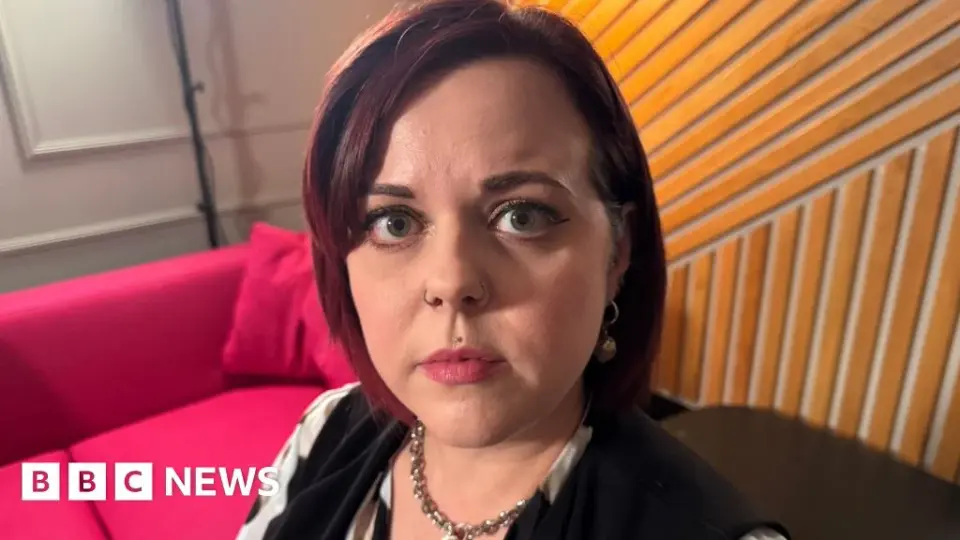
The UK government has initiated a controversial early release scheme for prisoners to alleviate severe overcrowding, with approximately 700 offenders set to be freed on October 1. While the Ministry of Justice argues the move is necessary to prevent a system collapse, victims of domestic abuse have expressed profound fear and anger, citing a lack of adequate support and safety measures. The plan involves releasing inmates serving sentences of up to 19 months after only 33% of their term, a significant reduction from the previous 40% standard. Critics, including the domestic abuse commissioner, have condemned the scheme as shameful, arguing that it undermines victim confidence in the justice system. The government claims that enhanced electronic tagging and restriction zones will mitigate risks, but reports indicate delays in fitting these tags, leaving many victims feeling unprotected and re-traumatized.
Key points
- Approximately 700 prisoners are scheduled for early release in England and Wales on October 1, with a total of 3,800 planned over the next year to address prison overcrowding.
- Inmates serving sentences of up to 19 months will be released after completing only one-third of their term, compared to the previous expectation of 40%.
- Victims of domestic abuse, such as Claire Milne and Karen Haynes, have reported receiving letters notifying them of their attackers' early release, causing significant distress and fear for their safety.
- The Ministry of Justice states that offenders convicted of rape, child sex abuse, and manslaughter will remain in prison, but acknowledges that further restrictions risk the collapse of the prison system.
- Dame Nicole Jacobs, the domestic abuse commissioner, has called the scheme 'shameful' and urged Prime Minister Andy Burnham to take urgent steps to address the impact on victims.
- A recent report highlighted that nearly half of electronic monitoring tags are not fitted on time, raising concerns about the effectiveness of community supervision for released offenders.
Background
This development follows a period of intense scrutiny regarding UK prison conditions, with facilities operating at 98% capacity and only 1,134 vacant spaces remaining in the adult male estate. The government's decision to accelerate releases is framed as a necessary measure to prevent a system collapse, despite ongoing debates about the safety of victims and the adequacy of community supervision. Previous coverage has highlighted similar issues in other jurisdictions, such as Indonesia, where early releases of abusive individuals have sparked public outrage, underscoring a global concern regarding the balance between prison overcrowding and victim safety.
Why it matters
The early release scheme highlights a critical tension between the UK government's need to manage prison overcrowding and the safety of domestic abuse victims. As the number of offenders in the community increases, the effectiveness of electronic monitoring and support services becomes paramount. The backlash from victims and domestic abuse advocates suggests that the current measures may be insufficient, potentially eroding public trust in the justice system. This situation underscores the need for robust community supervision and adequate funding for victim support services to ensure that the reduction in prison populations does not come at the cost of public safety.
What to watch
The government is expected to continue with the planned release of 650 additional prisoners from October 13, with further tranches scheduled until June 2027. The Ministry of Justice has committed to investing £1 billion in support services, including the placement of domestic abuse specialists in call centers. However, the effectiveness of these measures will depend on the timely fitting of electronic tags and the adequacy of community supervision. The government may face increased pressure to adjust the scheme or enhance support services in response to ongoing criticism from victims and domestic abuse advocates.
Want the full story? Read the original reporting
Read on BBC