Japan granted a rare posthumous retrial for Hiromu Sakahara, who died in prison in 2011 after a 1984 murder conviction based on a possibly coerced confession, underscoring decades-long delays in the justice system and fueling calls for reforms to speed retrials and curb prosecutors’ appeals.
A Japanese court granted Hiromu Sakahara a posthumous retrial for a 1984 murder, decades after his death in prison in 2011, highlighting Japan's slow justice system, coerced-confession concerns, and limits on legal representation during interrogation. The retrial—only the second postwar case—has deepened calls for reform to speed up redress and reduce prosecutors' power as families endure long, painful decades seeking exoneration.
After the 11-year-old Lyhanna's murder in Fleurance, protests across hundreds of towns accuse the justice system of failure to protect children and demand systemic reform. The main suspect had multiple prior complaints of sexual violence against minors but was not investigated until after Lyhanna’s death. France’s justice minister apologized, and prosecutors were ordered to review around 70,000 pending child-victim complaints as activists press for accountability and lasting changes.
Roza, recruited from Uzbekistan by Epstein associate Jean-Luc Brunel, testified at a West Palm Beach field hearing hosted by House Democrats that Epstein molested her for three years while he was under house arrest for soliciting a minor, including meetings at his Florida Science Foundation and a role that allowed him to leave custody for part of each day; the hearing, not legally binding, aimed to spotlight how Epstein and accomplices evaded accountability and how the justice system failed victims, referencing the 2008 plea deal and DOJ redaction errors. Another survivor, Maria Farmer, delivered a recorded message urging truth from authorities, underscoring ongoing concerns about investigations into Epstein’s crimes.
Barack Obama, speaking with Stephen Colbert at his new Presidential Center, criticized former President Trump for overstepping norms, including attempting to direct prosecutors and weaponize the justice system. He argued the White House should not target political enemies, urged codifying checks on presidential power, warned against monopolizing the military’s loyalty, and called for preventing presidents from having side ventures that could influence policy. The interview underscored concerns about maintaining basic democratic norms as norms have eroded in recent years.
Thousands demonstrated in Italy and Spain against the war in Iran as Italy braces for a March 22 referendum on its justice system, with Rome protesters carrying banners like 'No to war' as part of a national demonstration.
South Africa's overwhelmed legal system faces severe delays, with backlogs of up to 100,000 cases, causing emotional and financial distress for families like Jason Pretorius, whose mother was murdered in gender-based violence. The shortage of judges and administrative delays hinder timely justice, eroding public faith in the system and leaving victims in prolonged uncertainty.
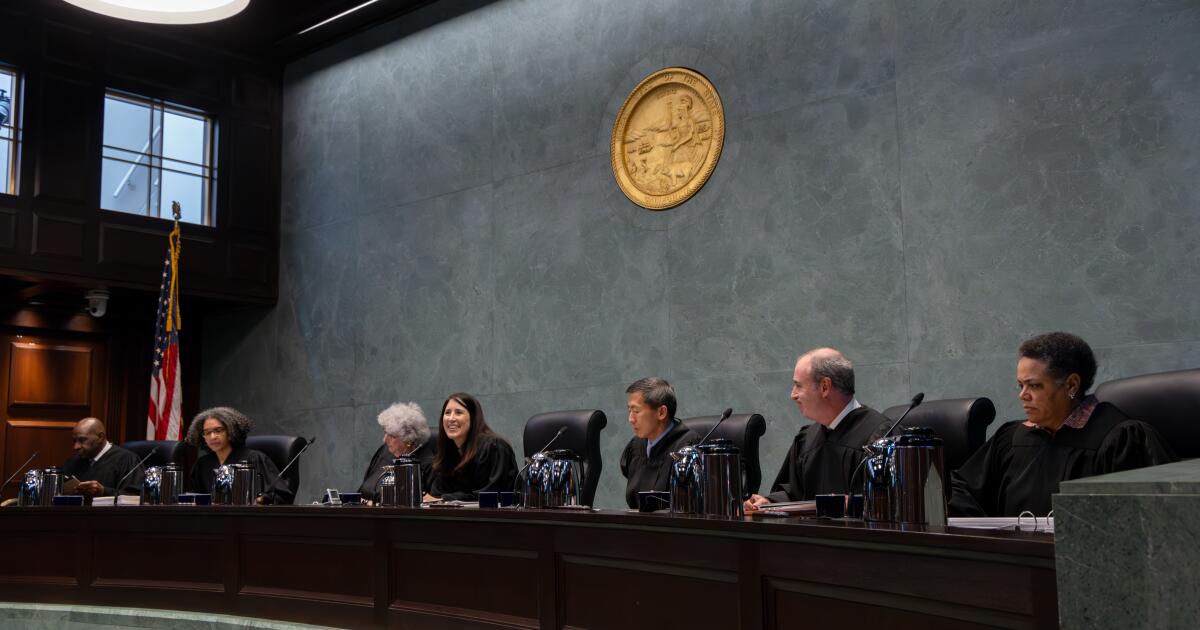
The California Supreme Court ruled to eliminate hundreds of dollars in administrative fees for a reputed Mexican Mafia member, reinforcing protections for indigent defendants and emphasizing that poverty should not lead to harsher punishments, building on the landmark 2019 decision in People v. Dueñas.
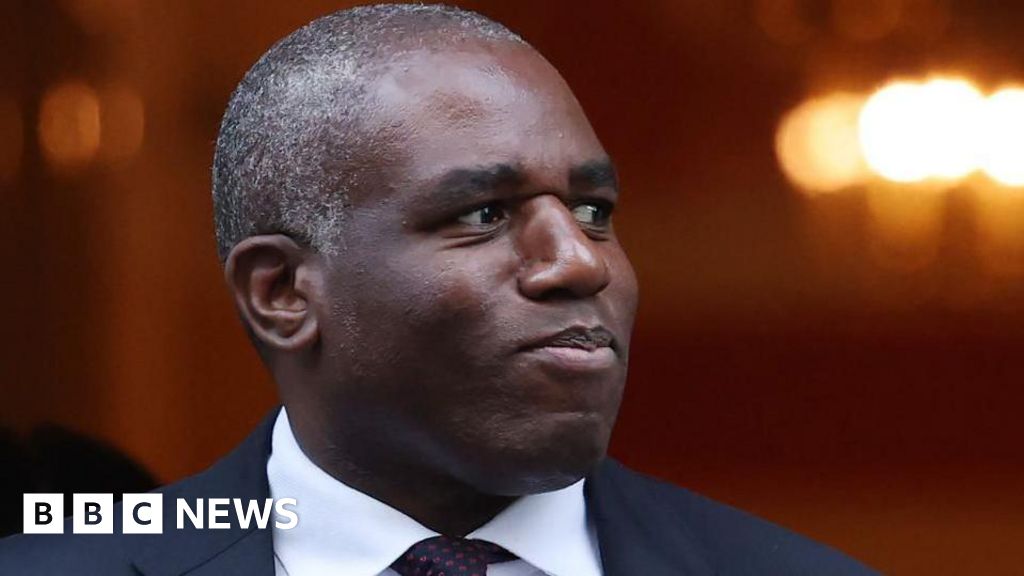
The UK government plans to eliminate jury trials for crimes with sentences under three years to address court delays, while maintaining jury trials for serious offenses like murder and rape. The reforms include expanding magistrates' powers and creating swift courts, aiming to reduce case backlog and trial delays, though they face criticism from legal professionals and civil rights advocates.
Former President Trump issued a broad pardon related to the 2020 election, which raises concerns about encouraging efforts to overturn election results and could impact upcoming elections. The pardon applies to those involved in devising or advocating for strategies to use fraudulent electors and expose voting vulnerabilities, with some legal cases attempting to move from state to federal court being rejected. Critics argue the pardon may undermine judicial rulings and influence election interference.
Sean Charles Dunn, known as the 'sandwich guy,' was found not guilty of assaulting a Customs and Border Protection officer with a sandwich in Washington, D.C., after a jury declined to indict him on felony charges, highlighting a case that gained national attention and symbolized resistance against law enforcement crackdowns.
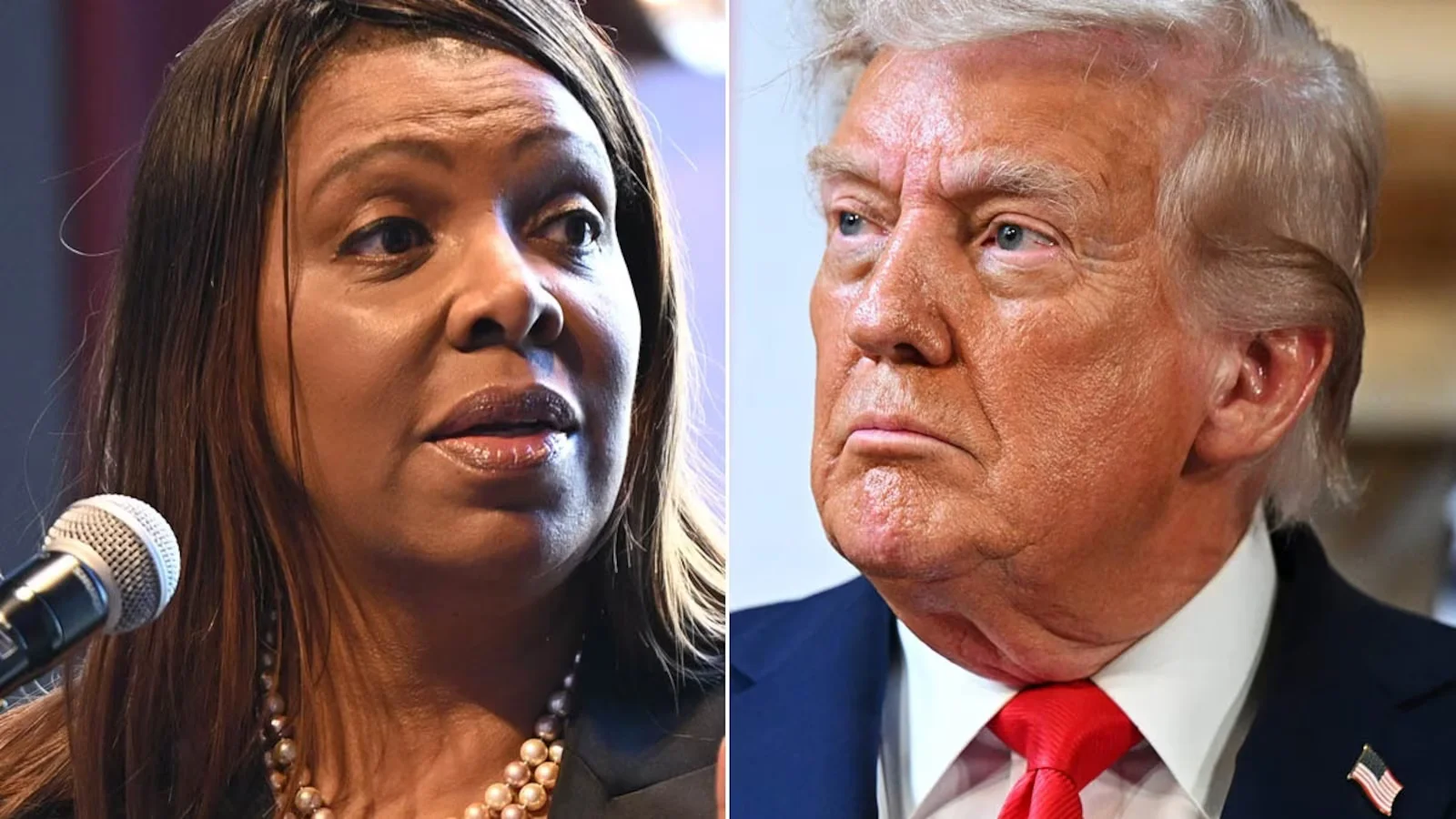
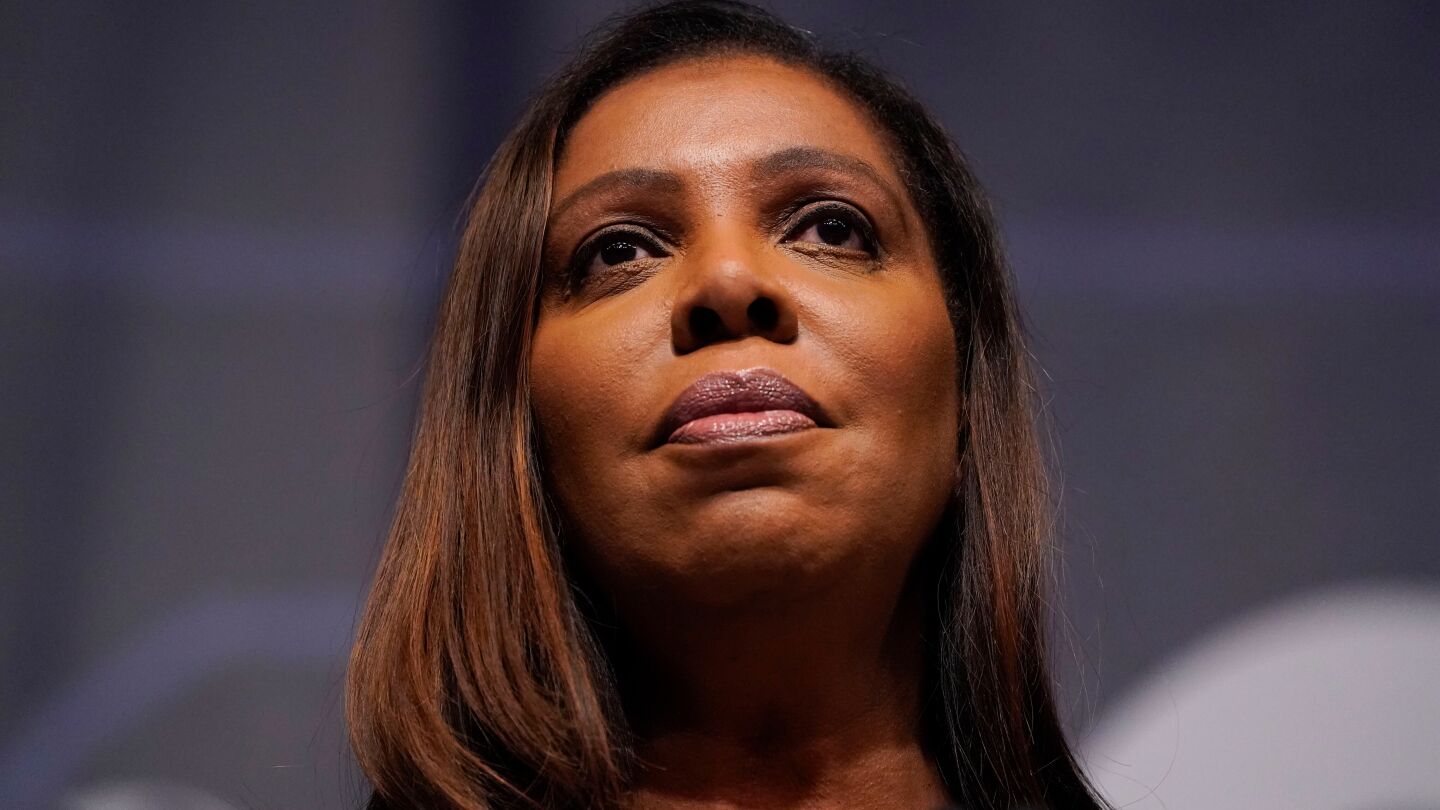
New York Attorney General Letitia James publicly denounced her federal indictment on charges of bank fraud and false statements, framing it as political retaliation and emphasizing her resilience and commitment to justice amid accusations she claims are baseless and politically motivated.
The indictment of New York Attorney General Letitia James by the Justice Department has raised concerns about the targeting of Black women leaders and the politicization of the justice system, with critics arguing it is a form of political retribution against opponents of President Trump, while supporters claim it is a justified legal action.
The article discusses Donald Trump's recent indictments of Jim Comey and others, highlighting the political motivations, the fast-paced EDVA 'rocket docket' trial process, and internal prosecutorial challenges, all set against the backdrop of Trump's growing impatience and the potential for the case to backfire by exposing his corruption.
Lawmakers and observers express concern over the indictment of former FBI director James Comey, viewing it as a potential abuse of power and political retaliation by President Trump, with critics warning it threatens the integrity of the justice system and civil rights.