
West Midlands fires destroy 19 homes as UK records hottest day
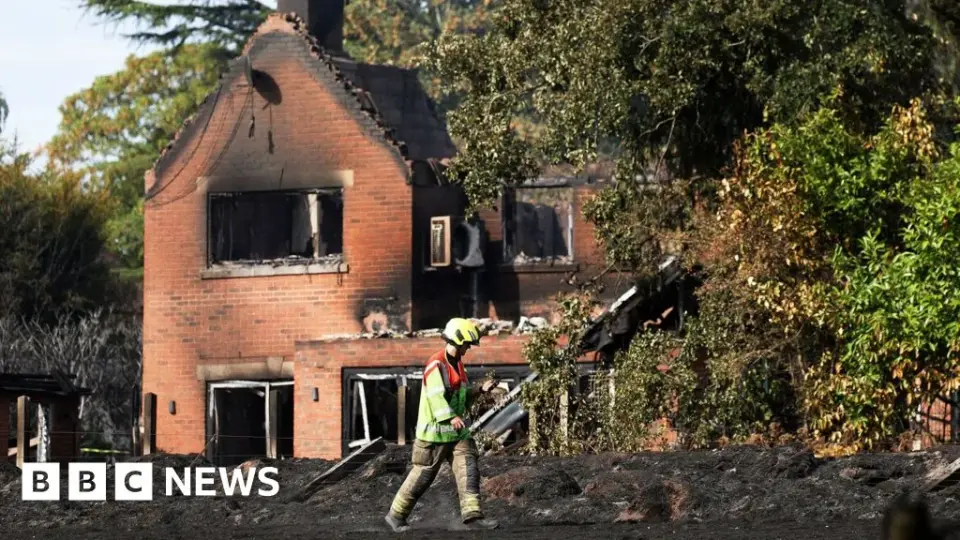
Multiple wildfires swept across the West Midlands on Thursday, destroying 19 homes in Stourbridge and damaging 18 others as the UK recorded its hottest day of the year. Prime Minister Andy Burnham visited the scene, declared the nation a 'tinderbox,' and announced military support and firefighting planes. While the government introduced a temporary ban on disposable barbecues, residents and critics emphasized that climate change is the primary driver of the unprecedented fire risk.
Key points
- Fifty-four people were treated by paramedics, with 19 admitted to hospital, following fires across the West Midlands, Worcestershire, Staffordshire, and Warwickshire.
- In Stourbridge, 19 houses were fully destroyed and 18 damaged, with over 100 firefighters battling a blaze that spread across more than 500 acres.
- Prime Minister Andy Burnham visited Stourbridge on Friday, announcing the deployment of 100 military personnel to South Wales and the commissioning of firefighting planes.
- The UK recorded 38.1C at Kew Gardens on Thursday, its hottest day of the year, during the fifth consecutive heatwave of the summer.
- The National Fire Chiefs Council reported 1,085 wildfires in the UK this year, surpassing the 2025 record of 1,017.
Background
The UK has experienced repeated heatwaves and droughts in recent years, with 2025 already setting records for wildfire activity. The current crisis is part of a broader pattern of extreme weather events linked to climate change, which has left vegetation tinder-dry and increased the risk of rapid fire spread in urban and rural areas.
How outlets are covering it
BBC and The Guardian focused on the immediate human impact, highlighting evacuations, destroyed homes, and community resilience. The Financial Times emphasized the political response, including Burnham's 'tinderbox' warning, the military deployment, and the controversial decision to review electric vehicle sales targets. The Guardian also highlighted resident criticism of the government's focus on disposable barbecues, with locals arguing that climate change is the root cause. AP News, while primarily focused on the national heat record, noted the broader infrastructure strain, including train derailments and water supply issues, underscoring the widespread impact of the heatwave.
Why it matters
The West Midlands fires highlight the growing threat of wildfires in the UK due to climate change, with record temperatures and dry conditions creating ideal conditions for rapid fire spread. The government's response, including military support and firefighting planes, signals a shift in emergency preparedness, while the debate over EV targets and climate policy reflects the tension between economic and environmental priorities. The incident also underscores the need for improved landscape management and public awareness to mitigate future fire risks.
What to watch
Firefighters are continuing to damp down affected areas and extinguish hotspots in the West Midlands. The government is expected to finalize decisions on EV sales targets and North Sea oil projects, while further military personnel are being deployed to South Wales. Residents are advised to contact insurers or local authorities for support, and the public is urged to avoid activities that could spark fires, such as lighting barbecues or fireworks.
- What we know so far about the West Midlands fires BBC
- Burnham warns of ‘tinderbox’ Britain after week of intense heat Financial Times
- ‘It’s due to climate’: the people of Stourbridge on the town’s wildfires The Guardian
- UK firefighters out in force to tackle fires on hottest day of the year AP News
- Stourbridge fire: Child among 10 injured in ‘apocalyptic’ Midlands wildfires telegraph.co.uk
Want the full story? Read the original reporting
Read on BBC