
Ukraine's Operation Vivaldi: Robotic Demining and Drone Strikes Reclaim 125 Sq. Km. Near Lyman
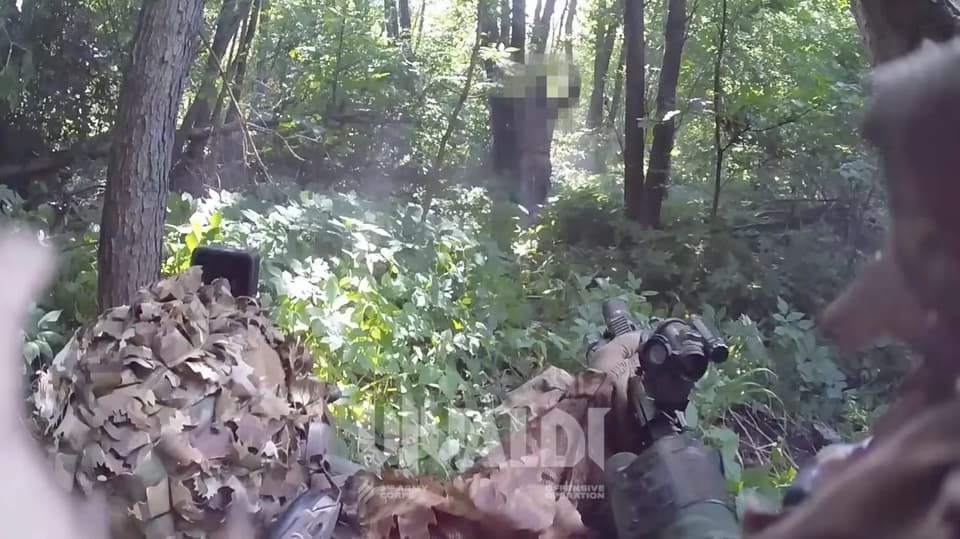
Ukraine's Third Army Corps has executed Operation Vivaldi, a multi-stage counteroffensive near Lyman in Donetsk Oblast that has reclaimed approximately 125 square kilometers of territory. The operation, which began in May 2026, relies heavily on ground robots for demining and logistics, as well as electronic warfare to neutralize Russian drones. While Ukrainian officials describe it as a historic technological breakthrough, some analysts caution that it represents a series of local successes rather than a single strategic collapse of Russian forces.
Key points
- Ukraine's Third Army Corps reclaimed 75 square kilometers in the first stage and 40 square kilometers in the second, totaling 125 square kilometers near Lyman.
- Ground robots cleared 30 kilometers of minefields in 48 hours, a task that would typically take human sappers two weeks.
- Ukrainian electronic warfare units neutralized approximately 20,000 Russian drones, creating an information blackout that allowed infantry to advance.
- The operation disrupted Russian logistics, forcing supply lines to move outside Ukraine and causing the withdrawal of the elite Rubicon drone unit.
- Preparations for the operation lasted up to a year, involving strict operational security to prevent Russian intelligence from detecting the buildup.
Background
Operation Vivaldi is part of a broader shift in Ukrainian warfare toward operational-level maneuvering, moving away from attritional tactics. Previous updates from our archive (2026-09-21 to 2026-09-26) highlighted the use of air-dropped robots and the reclamation of settlements like Drobysheve. The current phase builds on these initial gains, focusing on securing the 'Fortress Belt' cities and pushing Russian forces back to positions held in late 2022.
How outlets are covering it
EUobserver and NV emphasize the operation's technological novelty, citing the use of ground robots for demining and logistics as a 'world-first' that minimizes human casualties. In contrast, Russia's Meduza offers a more cautious view, describing the advances as a series of local successes rather than a major strategic breakthrough. Ars Technica highlights the specific tactic of air-dropping explosive robots behind Russian lines, while the Institute for the Study of War (ISW) notes that Russian forces are still attempting to reorganize defenses near Dobropillya for future assaults.
Why it matters
Operation Vivaldi demonstrates a potential new model of modern warfare where unmanned systems and electronic warfare can achieve significant territorial gains with minimal human losses. It challenges the Russian strategy of encirclement and highlights the effectiveness of deep-strike drone campaigns against enemy logistics. The operation's success could influence future military doctrines regarding the integration of robotics and electronic warfare in conventional conflicts.
What to watch
The operation is described as ongoing, with further stages planned. Russian forces are expected to attempt to reorganize their defenses and launch new mechanized assaults in the autumn, particularly near Dobropillya. Ukraine aims to continue pushing Russian forces back to their 2022 positions and secure the entire Lyman area.
- First blind the Russians, then catch them with robots: Ukraine’s Operation Vivaldi shows cutting edge of modern warfare (Ukraine Battlefield update, Day 1,674) EUobserver
- Revealed: Secret robot offensive that ‘killed 3,000 Russians’ The Telegraph
- Robots make combat airdrops, clear mines as Ukraine defeats Russian pincer Ars Technica
- Drones only need 2 nights to lay a minefield that would take troops 2 weeks: Ukrainian corps Yahoo
- Offensive operation in Lyman direction continues — Zelensky Ukrinform
Want the full story? Read the original reporting
Read on EUobserver