
Global Dockworkers Halt 113 Ports to Block Arms Shipments
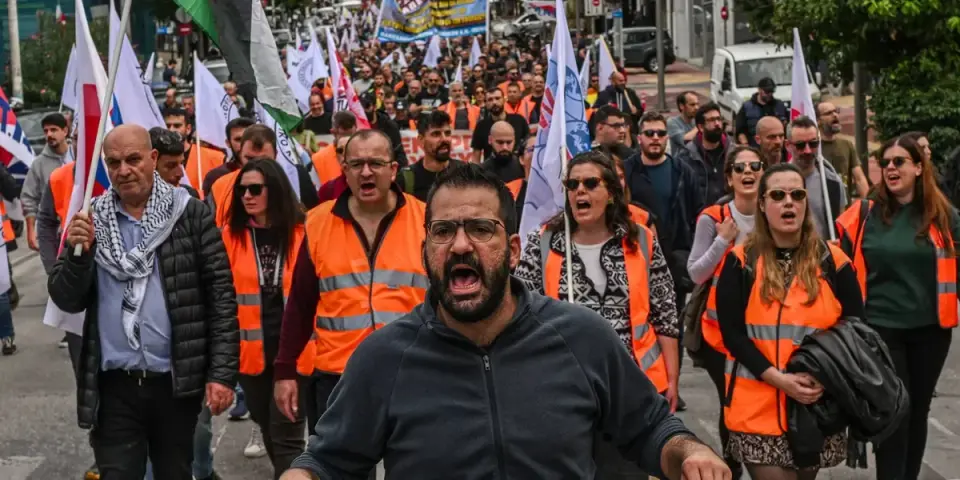
On October 30, 2026, dockworkers in 22 countries staged a coordinated strike at 113 ports to protest arms shipments to Israel and demand an end to the war in Gaza. Organizers called it the largest port action ever, halting $2.8 billion in Mediterranean cargo. While unions in Europe and the Mediterranean held 24-hour strikes, experts noted limited global supply chain impact. The action coincided with a UN report confirming ongoing genocidal acts in Gaza despite a ceasefire.
Key points
- Dockworkers in 22 countries across five continents struck at 113 ports, led by unions in France, Italy, Greece, Turkey, and Morocco.
- The 'No Harbour for Genocide' coalition claims $2.8 billion in cargo was halted in the Mediterranean, with 24-hour strikes in key hubs like Piraeus and Genoa.
- Unions demanded an end to weapons transport, recognition of a Palestinian state on 1967 borders, and better working conditions, linking labor rights to anti-war activism.
- Supply chain experts predicted limited global disruption, noting that a one-day halt is unlikely to cause shortages, though congestion may worsen in already busy ports.
- The strike occurred as a UN report confirmed Israel continues genocidal acts in Gaza, with 95% of Israeli trade relying on sea routes through these ports.
Background
This action follows a February 2025 international day of action and builds on a UN-mandated commission’s October 2026 finding that Israel is committing genocide in Gaza and crimes against humanity in the West Bank, despite a ceasefire agreement. The movement draws on a historical tradition of dockworkers opposing imperialist wars, from Vietnam to Iraq, and aligns with broader BDS pressure to end complicity in occupation.
How outlets are covering it
Common Dreams and Al Jazeera emphasized the strike’s scale and moral urgency, framing it as a historic refusal to facilitate war. ABC News focused on the practical impact, noting that while unions in France, Italy, and Greece called for full-day strikes, experts like Marcus Baker of Marsh and Ed Anderson of the University of Texas predicted limited global supply chain disruption, though it adds complexity to already strained logistics. Al Jazeera highlighted the specific role of Mediterranean ports in transshipping weapons, while ABC News noted that some strikes were tied to broader labor issues like pay and safety, not just the Gaza conflict.
Why it matters
The strike highlights the critical role of port workers in global trade and military logistics, demonstrating that labor actions can challenge state and corporate complicity in conflict. It underscores the intersection of labor rights, anti-war activism, and international law, while testing the limits of government and corporate control over critical infrastructure. The action also signals growing global resistance to arms trade and militarization, with potential long-term implications for port governance and supply chain resilience.
What to watch
Organizers expect continued pressure on governments and corporations to enforce embargoes and halt weapons shipments. Unions may expand actions if demands are not met, while supply chain managers will monitor for secondary disruptions. The strike’s success in halting cargo could set a precedent for future labor-led interventions in military logistics, and may influence policy debates on port militarization and trade regulations in Europe and beyond.
- With 'Largest Coordinated Port Action Ever,' Dockworkers in 22 Countries Strike Against Gaza Genocide Common Dreams
- Dockworkers at more than 100 ports worldwide strike against arms shipments Reuters
- ‘We won't transport weapons’: Dockworkers at over 100 ports strike over Israel Ynetnews
- Dockworkers stage international strikes to denounce arms shipments and demand better conditions ABC News - Breaking News, Latest News and Videos
- What can a global strike of dockworkers achieve for Gaza? Al Jazeera
Want the full story? Read the original reporting
Read on Common Dreams