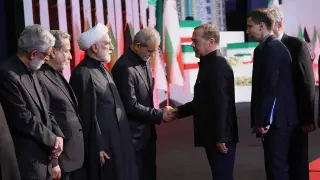
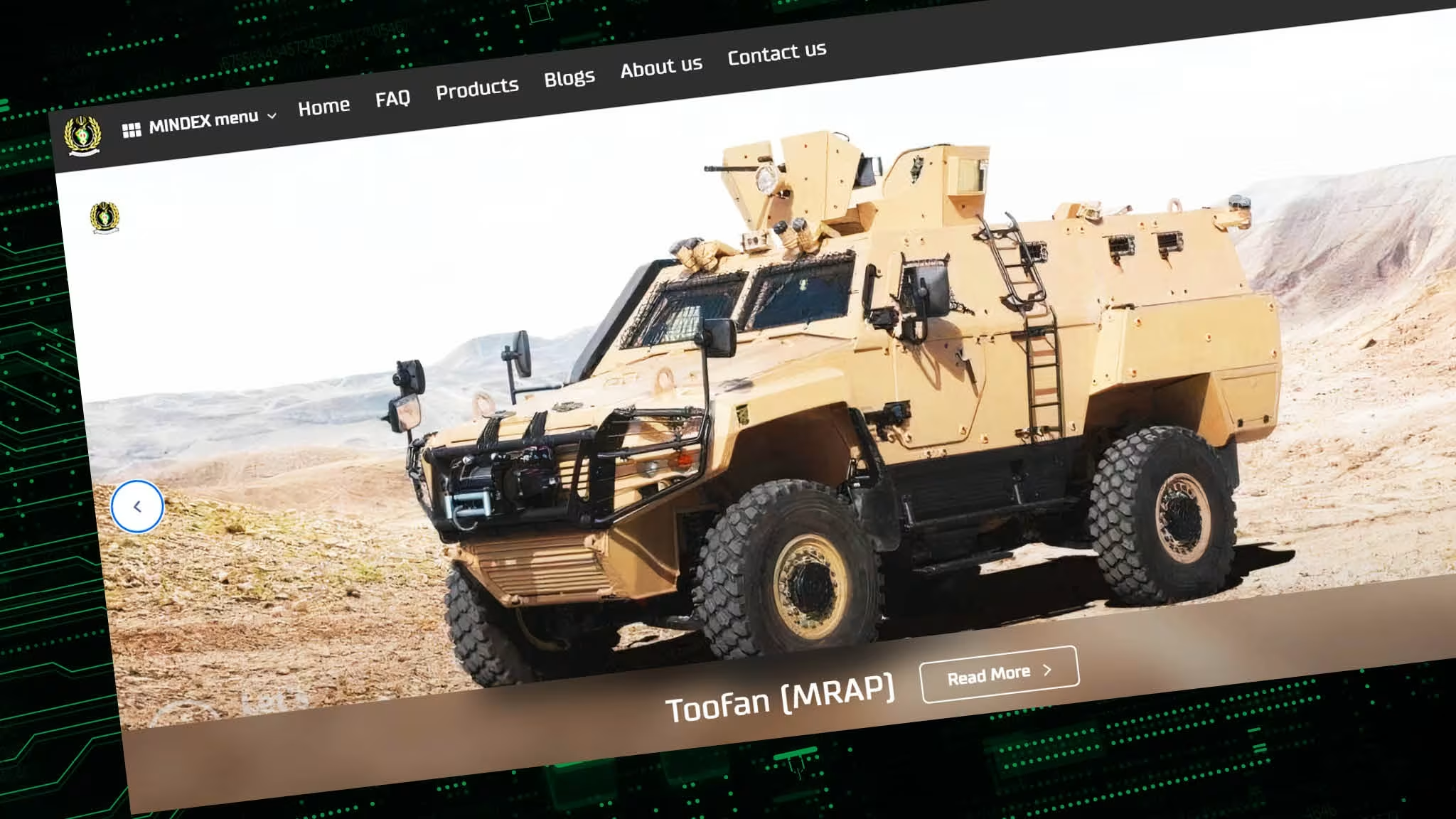
Internal Russian defense documents reveal a 2024 contract for 90 advanced missile launchers destined for Iran, contradicting US claims of minimal Russian support. The deal, linked to the LMUR guided missile, highlights deepening military ties between Moscow and Tehran despite Western sanctions and diplomatic tensions.
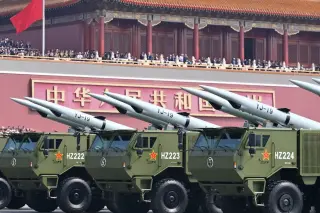
China is undermining Western dominance in the global arms market not through official exports, but by supplying dual-use industrial components that enable modern warfare. While the US holds 42% of major arms exports, Chinese manufacturing provides critical parts for Russian, Houthi, and other military operations, creating a new form of geopolitical leverage.
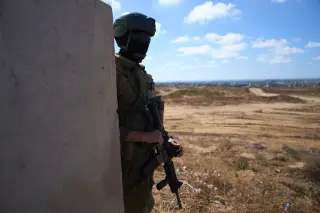
On October 30, 2026, dockworkers in 22 countries staged a coordinated strike at 113 ports to protest arms shipments to Israel and demand an end to the war in Gaza. Organizers called it the largest port action ever, halting $2.8 billion in Mediterranean cargo. While unions in Europe and the Mediterranean held 24-hour strikes, experts noted limited global supply chain impact. The action coincided with a UN report confirming ongoing genocidal acts in Gaza despite a ceasefire.
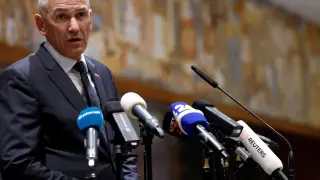
Slovenia’s government rolled back the 2025 ban on exporting, transiting, and importing arms related to Israel, saying current national law and EU rules already govern arms trade. The move, under the new center-right administration, signals a warming of Israel-Slovenia ties and aligns Slovenia with EU export-control positions.
Israel’s weapons exports hit a record $19 billion, roughly doubling in the past five years, as critics scrutinize its arms sales amid ongoing regional tensions.
France has barred Israel from Eurosatory, one of the world’s largest arms fairs, banning Israeli government representatives and canceling an Israeli national pavilion, while allowing only air-defense displays by Israeli firms and excluding offensive systems. The June 15–start event in Paris region follows a months-long rift after Paris recognized a Palestinian state and Israel paused French defense procurement; France condemned Israel’s Lebanon actions and called for a UN Security Council emergency meeting. Israel denounced the move as disgraceful, suggesting political and commercial calculations, a stance echoed by past French exclusions of Israeli participation at Eurosatory, Euronaval, and the Paris Air Show.
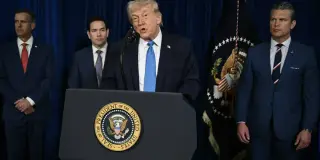
Reports say the Trump administration skirted congressional review to approve an $8.6 billion weapons deal with the United Arab Emirates and other Middle East allies, fast-tracking the sale via an emergency provision. The package would fund rockets for Israel, Qatar, and the UAE and air-defense systems for Qatar and Kuwait, with Qatar paying over $4 billion for Patriot interceptors and Israel, the Emirates, and Qatar receiving an Advanced Precision Kill Weapon System. Secretary of State Rubio expedited the deals, drawing sharp criticism from Democrats and rights advocates who warn the moves bypass Congress and may fuel regional conflict, including scrutiny over arming groups like Sudan’s RSF. Critics warn the “arms trade” is thriving before and after the ongoing Iran war, highlighting broader concerns about U.S. foreign‑policy choices and checks on arms sales.
Iran has proposed to sell advanced weapons systems in exchange for cryptocurrency, raising concerns about the potential use of digital currencies in international arms transactions.
China stated that its arms trade with Thailand and Cambodia is unrelated to the ongoing border conflict between the two Southeast Asian countries, urging for peace and emphasizing its role in mediating the situation while denying involvement in the clashes.
The European Union is exploring ways to bypass a treaty ban on buying arms to provide military support to Ukraine in its conflict with Russia, as the EU seeks to bolster Ukraine's defenses without violating international agreements. This move comes amid escalating tensions between Ukraine and Russia, with the EU aiming to find legal and diplomatic avenues to provide military assistance to Ukraine while navigating the constraints of existing treaties.
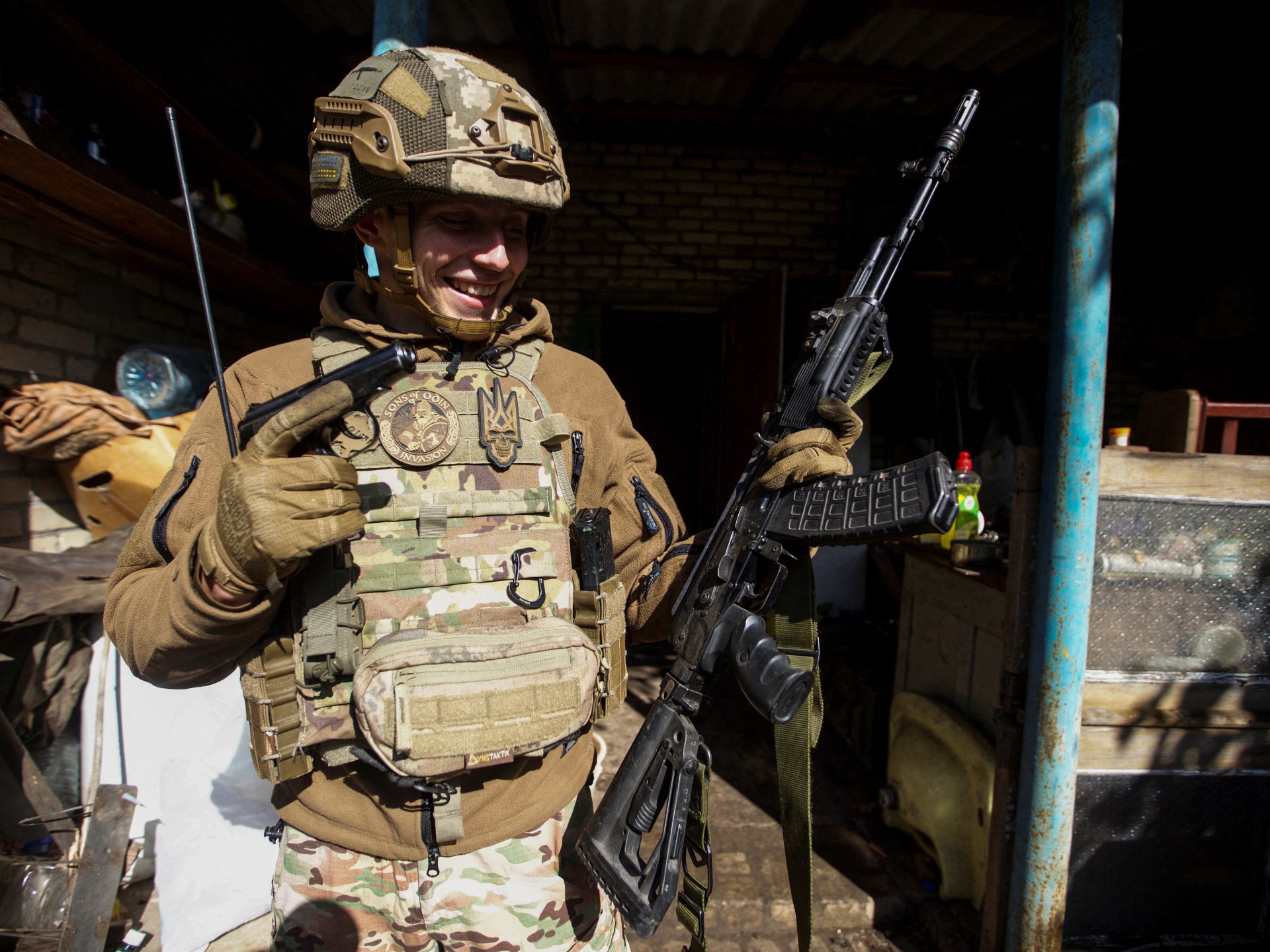
The ongoing war in Ukraine has led to a surge in arms purchasing in Europe, with the United States emerging as the main beneficiary, according to a study by SIPRI. The US increased its global arms exports by 17%, with European countries accounting for 55% of its sales. Ukraine, in particular, saw a dramatic increase in arms imports, becoming the world's top arms importer in 2023. Meanwhile, Russia's arms exports declined by 53%, with France overtaking Russia as the second-largest arms exporter. Germany's arms exports remained steady, with the Middle East as its main customer region, while African countries saw a decline in arms purchases.
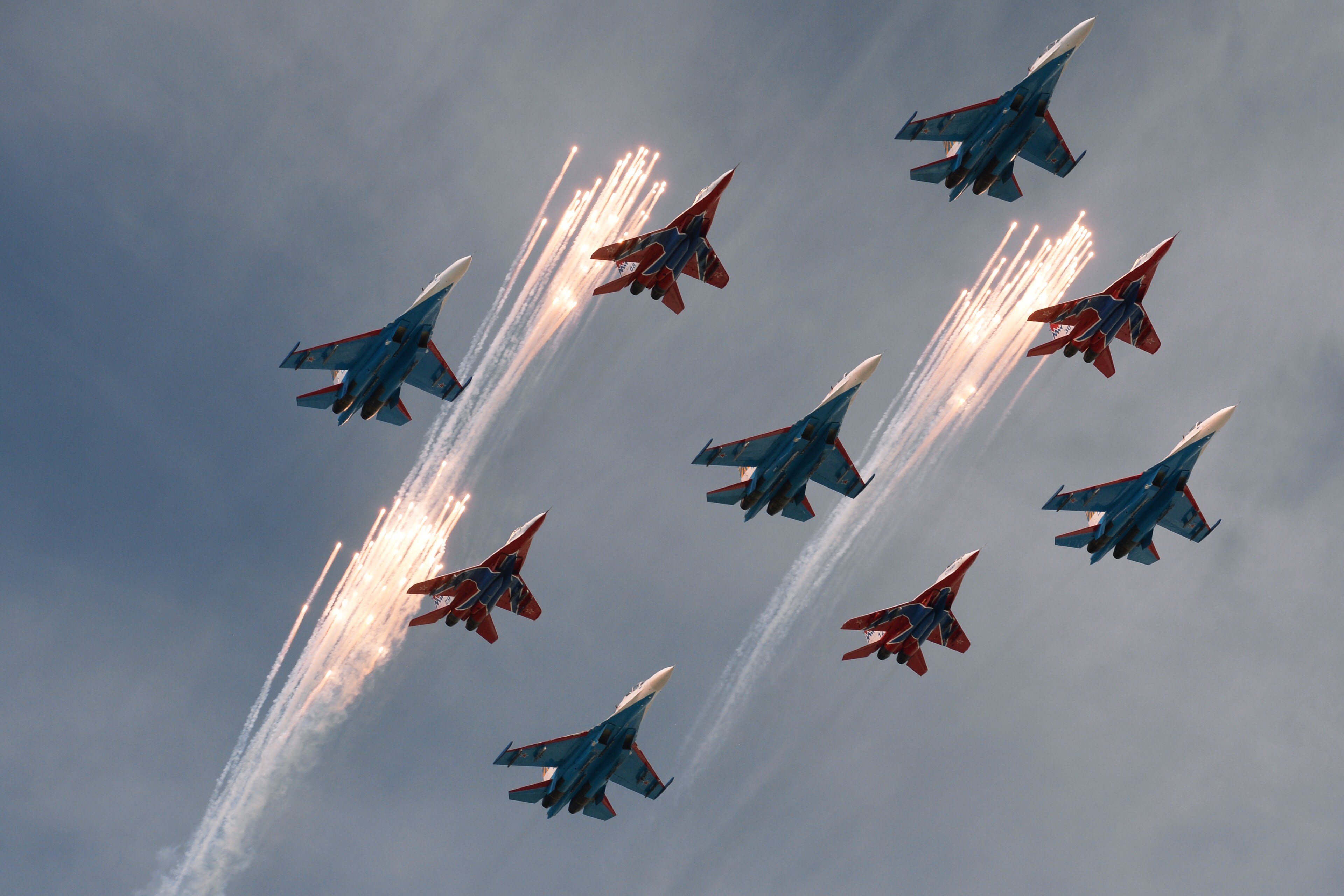
Russia's arms export industry has suffered a significant decline, dropping to third place behind France and the U.S. due to a 53% decrease in exports from 2014–18 to 2019–23. The war on Ukraine, struggling economy, and Western sanctions have hampered Russia's ability to compete in the global arms market. The country's reliance on Asian and Oceanian markets, particularly India and China, is also diminishing, with India turning to France and the U.S. for military equipment. Additionally, China's growing self-sufficiency in arms production has further reduced its reliance on Russian imports, leaving Russia with uncertain prospects for future arms exports.
Russia is resorting to export requisitions and buybacks to replenish its diminishing arsenal as it continues its invasion of Ukraine. The Wall Street Journal reports that Russian officials have approached countries such as Egypt, Pakistan, Belarus, and Brazil to recover engines and transport helicopters lost to Ukrainian defenses. Moscow is also increasing domestic production. The war in Ukraine has caused tens of thousands of casualties and strained diplomatic relations between Russia and the West. Meanwhile, Russia has withdrawn from the Treaty on Conventional Armed Forces in Europe, citing NATO's expansion as a hindrance to cooperation. Ukraine's counteroffensive has been hindered by delays in receiving weaponry from Western allies.
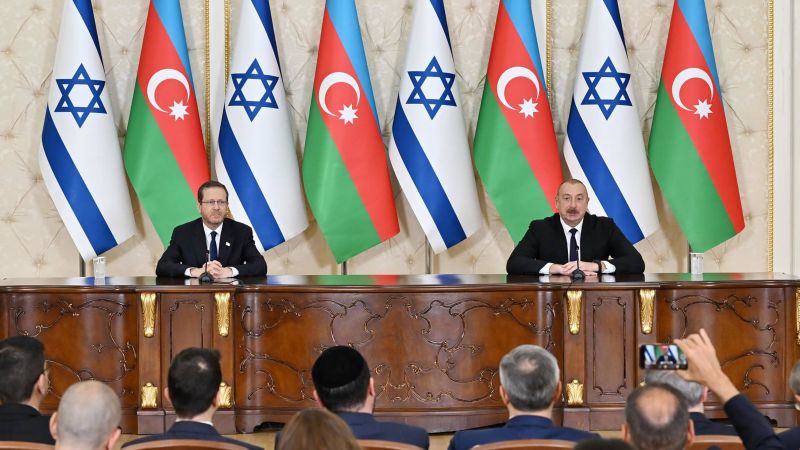
The arms trade between Israel and Azerbaijan has come under scrutiny as Azerbaijan claims final victory in the Nagorno-Karabakh conflict. Israeli equipment, including drones and missiles, played a significant role in Azerbaijan's success in the 2020 war. Over 60% of Azerbaijani weapons imports came from Israel between 2017 and 2020. The ongoing weapons trade between the two countries, as well as their diplomatic ties, have raised concerns about Israel's involvement in the ethnic cleansing and displacement of ethnic Armenians in Nagorno-Karabakh. Pressure is mounting on Israel to reconsider arms sales to Azerbaijan from its Western allies, potentially straining its relations with both countries.
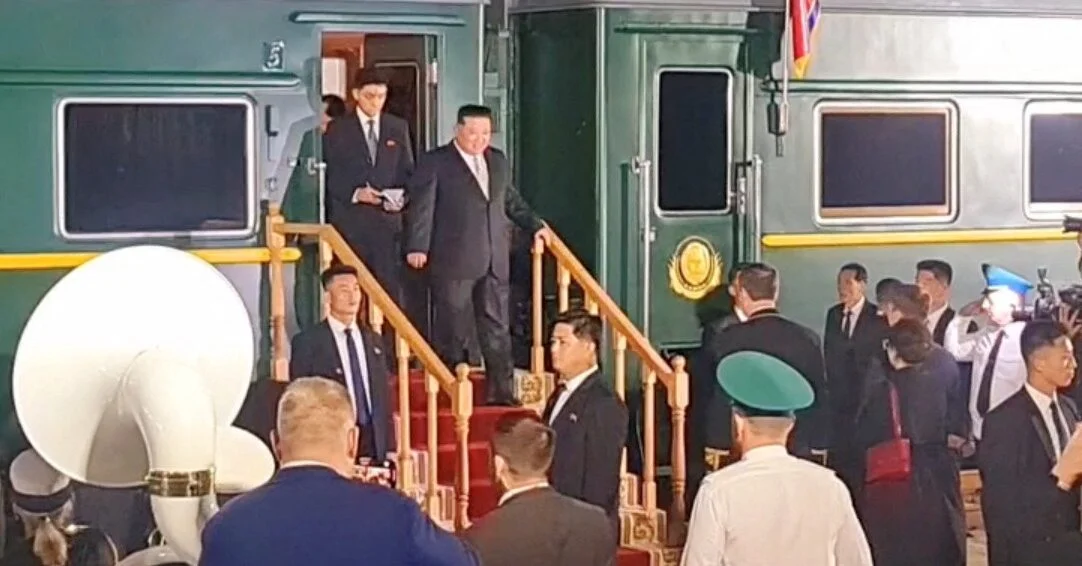
North Korean leader Kim Jong Un arrived in Russia for talks with President Vladimir Putin, despite warnings from the US against trading weapons. Kim, accompanied by top defense industry officials, arrived in Russia by private train and was greeted by a welcome delegation. Discussions between the two leaders could cover humanitarian aid, UN Security Council resolutions, and potential defense industry cooperation. The US has expressed concern over closer military cooperation between Russia and North Korea, and warned against arms talks that could involve weapons for the war in Ukraine.