
Kherson truce ends as Russian strikes leave hundreds of thousands without power
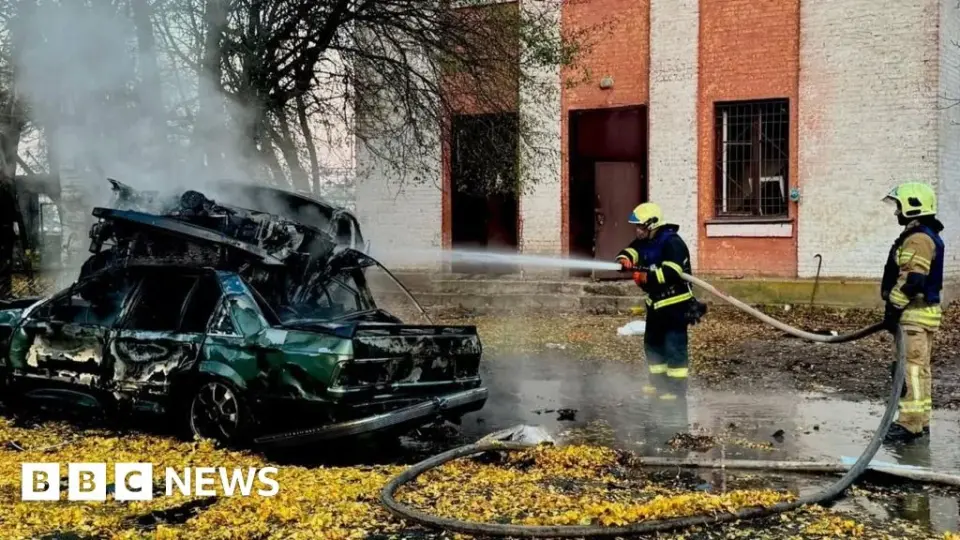
A six-day humanitarian ceasefire in the Russian-occupied town of Oleshky ended on Sunday, allowing evacuees to reunite with families, while fighting continued elsewhere. Russian strikes on energy infrastructure in four Ukrainian regions left hundreds of thousands without power. Ukraine retaliated by hitting missile fuel production in Russia's Rostov region, while Moscow reported damage to an industrial site in Nizhny Novgorod. President Zelensky urged Western partners to accelerate deliveries of Patriot missile interceptors.
Key points
- The localised ceasefire in Kherson region, brokered by US First Lady Melania Trump and Pope Leo, ended at 22:59 local time on Sunday.
- Evacuees from Oleshky, which had been trapped since 2022, travelled through Russian-occupied territory to Belarus before entering Ukraine; the oldest evacuee was 94, the youngest one.
- Russian overnight strikes hit energy infrastructure in Dnipropetrovsk, Vinnytsia, Zhytomyr, and Khmelnytskyi oblasts, leaving over 60,000 people in Dnipropetrovsk without power by evening.
- A strike in Vinnytsia killed two people, including a 13-year-old girl, according to the State Emergency Service of Ukraine.
- Ukraine claimed to have damaged four production facilities at a missile fuel plant in Russia's Rostov region, while Russian officials reported significant damage to an industrial site in Nizhny Novgorod.
- Zelensky stated that Russia is exploiting a shortage of ballistic missile interceptors, calling for immediate delivery of Patriot missiles from the US and Europe.
Background
This escalation follows the collapse of a US-brokered 'energy ceasefire' in October 2026, which failed to prevent strikes on power grids. The Oleshky evacuation is the first of its kind in four years, though the route through Russian-controlled territory raised concerns about forced deportation. Ukraine has been advancing in Donetsk while Russia escalates long-range strikes, with the Kremlin recently rejecting broader ceasefire proposals.
How outlets are covering it
BBC and NBC News agree that the Oleshky ceasefire held until its scheduled end, but emphasize the contrast between the local pause and the intense fighting elsewhere. NBC highlights the diplomatic friction regarding Trump's push for an energy ceasefire, noting that Ukraine supports a full pause on energy targets while Moscow refuses. Ukrainian Pravda provides specific details on the scale of the Russian attack, citing Zelensky's figures of 1,940 drones and 44 missiles launched over the past week, and lists the specific oblasts affected. While BBC focuses on the humanitarian aspect of the Oleshky evacuation, NBC and Pravda focus more on the military and energy infrastructure dimensions of the conflict.
Why it matters
The continued destruction of energy infrastructure threatens Ukraine's ability to sustain its population and military through winter. The failure of the energy ceasefire and the ongoing need for Patriot interceptors highlight the critical gap in Ukraine's air defense, which Western partners are slow to fill. The Oleshky evacuation, while a humanitarian success, underscores the complex and dangerous logistics of moving civilians in a war zone, with routes controlled by the adversary.
What to watch
With the Oleshky ceasefire ended, fighting is expected to resume in the Kherson region. Ukraine will continue to seek immediate deliveries of Patriot missiles to counter Russian ballistic missile strikes. The situation at the damaged Russian industrial sites in Nizhny Novgorod and Rostov will be monitored for potential impacts on fuel supplies and military production. Ukraine and its Western partners will likely continue to negotiate for a broader energy ceasefire, though Moscow has so far refused.
- Russian strikes cut power to thousands in Ukraine as Kherson ceasefire to end within hours BBC
- Russian strikes cut power to thousands in Ukraine as drones damage Russian facility Reuters
- Russian strikes cut power to thousands in Ukraine, despite Trump’s energy ceasefire push NBC News
- Ukraine news: Russian attacks leave tens of thousands without power as Kherson ceasefire set to end DW.com
- Zelenskyy: Russia has attacked energy infrastructure in four oblasts, leaving hundreds of thousands of families without power Українська правда
Want the full story? Read the original reporting
Read on BBC