
Five-Day Drone Siege Leaves 38 Dead in Kyiv as Russia Shifts to Jet-Powered Tactics
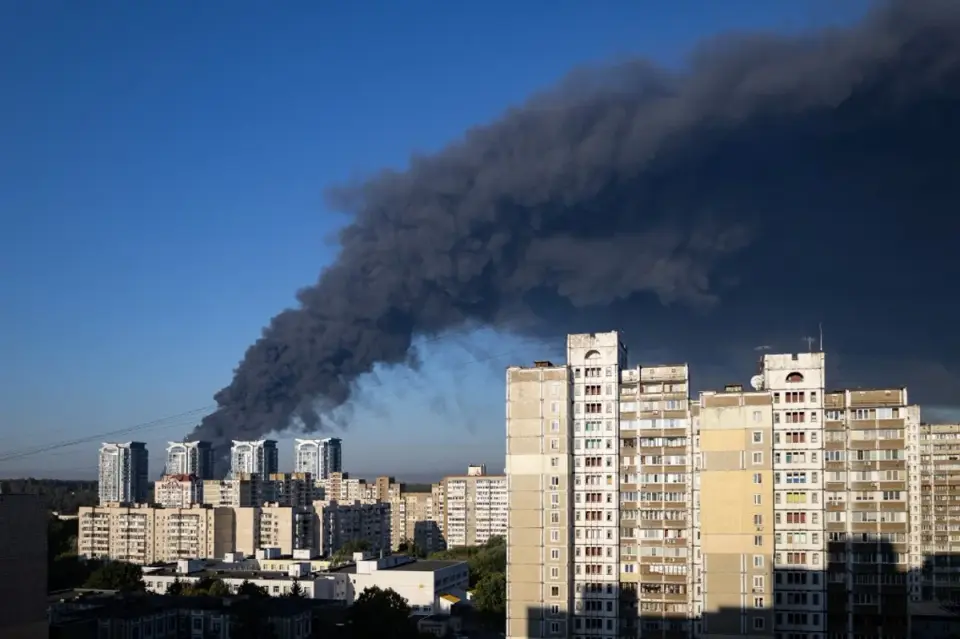
Kyiv has faced five consecutive days of intense Russian drone strikes, resulting in at least 38 deaths and widespread disruption. The deadliest incident occurred on August 28 at a military depot in Myla, west of the capital, where a strike triggered massive secondary explosions. Russia has altered its tactics by deploying faster jet-powered drones and conducting daytime attacks, straining Ukrainian air defenses and civilian infrastructure. In response, Ukraine is accelerating the deployment of domestic interceptor drones to conserve expensive missiles.
Key points
- At least 38 people were killed and 20 injured in a strike on a military depot in Myla on August 28, with four people still missing.
- Two children, a two-year-old girl and a 14-year-old girl, were killed by drone debris and strikes in Kyiv and the surrounding region.
- Russia has increased the use of jet-powered drones, including Gerbera variants and Parodiya decoys, to overwhelm Ukrainian defenses.
- Daytime drone waves have paralyzed Kyiv, causing fires in residential buildings and commercial areas, and disrupting transport and business operations.
- Ukraine is rushing the testing of cheaper domestic interceptor drones to counter the high volume of incoming UAVs and preserve surface-to-air missiles.
Background
This escalation follows a pattern of intensified aerial warfare in 2026. In July, a heavy barrage of over 120 drones and 40 missiles highlighted Ukraine’s air-defense shortages. In August, Russia launched approximately 1,500 drones over four days, with about 800 being jet-powered variants. A previous incident in July saw a ballistic missile strike an ammunition warehouse in Vyshneve, killing nine people and leading to criminal proceedings against defense-industry executives for safety violations. The current five-day blitz represents a further intensification of these sustained aerial campaigns.
Why it matters
The shift to faster, jet-powered drones and daytime attacks significantly complicates Ukraine’s defense strategy, as traditional mobile fire groups struggle to intercept high-speed targets. The high casualty count, including children, and the destruction of civilian infrastructure underscore the growing humanitarian impact of the conflict. The reliance on domestic interceptor drones indicates a strategic pivot toward sustainable defense solutions amid resource constraints.
What to watch
Ukraine will continue to deploy and test new domestic interceptor drones to manage the volume of incoming attacks. Authorities are expected to complete the cleanup of unexploded ordnance in the Myla area and finalize the criminal negligence investigation. The ongoing daytime alerts suggest that Russian forces may continue to extend their attack windows, further straining civilian resilience and economic activity in Kyiv.
Want the full story? Read the original reporting
Read on Kyiv Post