
Russia's Massive Odesa Strike and Kharkiv Double-Tap Highlight Escalating Black Sea Campaign
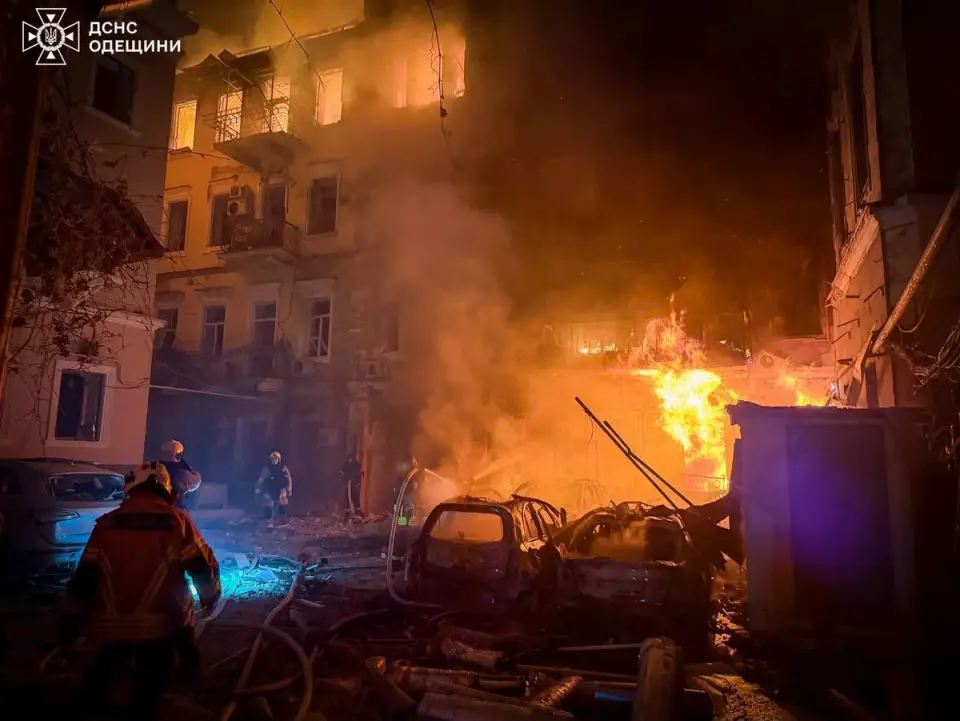
On August 9, 2026, Russia launched a massive assault on Ukraine's Odesa region using 11 missiles and up to 100 drones, injuring 12 people and damaging energy infrastructure. Simultaneously, a 'double-tap' strike on a Kharkiv high-rise killed three and injured 37. This surge follows a week of intense bombardment, with President Zelensky reporting 61 missiles and over 3,100 drones deployed nationwide. The attacks on Odesa's port have severely disrupted global grain exports, with the BBC describing the Black Sea as the most dangerous shipping route in the world.
Key points
- Russian forces launched 11 missiles and up to 100 UAVs, including 'Banderol' loitering munitions, at Odesa on August 9, injuring 12 people and causing power and water outages.
- A 'double-tap' strike on a high-rise in Kharkiv's Saltivka district killed three people and injured at least 37, including a five-year-old boy.
- President Zelensky stated that Russia deployed 61 missiles, 1,560 drones, and 1,540 guided bombs across Ukraine in the past week, urging for more sanctions and air-defense systems.
- The BBC reports that Russian attacks have made the Black Sea the most dangerous place for shipping, with Odesa's port closing for 15 out of 24 hours due to constant alerts.
- Al Jazeera notes that Zelensky accused Moscow of waging war against global food security by targeting Odesa's port, which is crucial for grain exports.
Background
This escalation follows a series of massive Russian strikes on Ukrainian cities in early 2026. In early July, Russia launched a record 74 missiles and 490 drones at Kyiv, killing 13 and wounding over 80. On August 5, another large-scale attack on Kyiv killed 17 and injured 44, with Zelensky reporting 24 ballistic missiles and 115 drones were used. These events highlight a sustained pattern of Russian bombardment targeting both civilian and critical infrastructure across Ukraine.
How outlets are covering it
Kyiv Post and Al Jazeera emphasize the immediate human toll and infrastructure damage, with Kyiv Post detailing the specific mix of missiles and drones in the Odesa attack, and Al Jazeera highlighting the 'brutal' nature of the strikes and Zelensky's accusations regarding global food security. The BBC provides a broader strategic perspective, focusing on the long-term impact on Black Sea shipping and the economic consequences for Ukraine's grain exports, noting that the port is now closed for most of the day. The Telegraph source was inaccessible due to a security block, so no perspective could be extracted from it.
Why it matters
The intensified Russian attacks on Odesa and Kharkiv demonstrate a strategic shift toward targeting Ukraine's Black Sea coastline and critical infrastructure, aiming to disrupt global food supplies and weaken Ukraine's economic resilience. The 'double-tap' strike in Kharkiv and the massive drone swarm in Odesa indicate a high level of coordination and resource allocation by Russia, while the near-total closure of Odesa's port threatens global grain markets and could exacerbate food insecurity worldwide.
What to watch
Ukraine is likely to continue seeking increased international support for air-defense systems, such as Patriot interceptors, to mitigate the impact of Russian missile and drone barrages. Russia may continue its campaign to strangle Ukraine's commercial links to the outside world, particularly targeting Black Sea ports and energy infrastructure. The situation in the Black Sea could further escalate, with potential impacts on global shipping routes and grain prices.
- Russia Hit Odesa with 11 Missiles and 100 Drones in a Massive Attack Kyiv Post
- Russian forces kill several in Ukraine, launch ‘brutal’ attack in Odesa Al Jazeera
- In Odesa, no-one is safe from Russia's new Black Sea strike campaign BBC
- Russia bombs Odesa’s city centre The Telegraph
- ISW: Russia strikes the Mayaki bridge linking southern Ukraine to Romania and Moldova Euromaidan Press
Want the full story? Read the original reporting
Read on Kyiv Post