
Russia’s 2026 territorial gains collapse to 117 sq km as energy strikes and casualty tolls surge
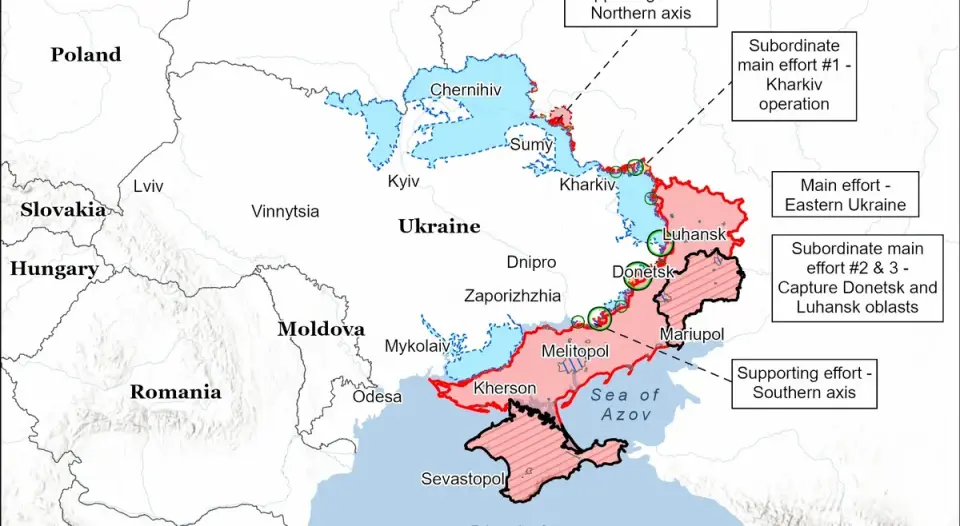
Russian forces have seized only 117.38 square kilometers of Ukrainian territory in the first ten months of 2026, a sharp decline from 5,304 square kilometers in 2025. Moscow is compensating for stalled ground advances with massive missile and drone barrages targeting Ukrainian energy grids, causing widespread blackouts. Simultaneously, Ukrainian forces are intensifying deep strikes against Russian refineries and logistics hubs to degrade Moscow’s war economy and export revenue. As winter approaches, diplomatic efforts focus on trilateral talks in Abu Dhabi, while European allies clash with Washington over the scope of security guarantees and sanctions.
Key points
- Russia’s 2026 territorial gains total 117.38 square kilometers, averaging 0.38 square kilometers per day, compared to 13.25 square kilometers per day in 2025.
- Russian forces launched 164 drones and three cruise missiles overnight on November 7-8, causing power outages in Dnipropetrovsk, Zhytomyr, and other oblasts, leaving 600,000 people without electricity in Dnipro.
- Ukrainian forces struck the Saratov Oil Refinery and a bridge on the M-14 Rostov-Crimea highway, marking the eighth refinery hit in 2026 and disrupting Russian logistics.
- Independent estimates suggest Russian military deaths exceed 440,000 since February 2022, with total casualties reaching nearly 1.6 million, far outpacing recruitment capacity.
- Trilateral peace negotiations are scheduled for November 10-11 in Abu Dhabi, with Ukraine proposing a ceasefire along current contact lines without recognizing Russian sovereignty over occupied territories.
Background
This escalation follows a strategic shift by Moscow to force capitulation by spring 2027 through sustained winter strikes, as warned by the Institute for the Study of War in September 2026. Recent months have seen Ukraine’s Operation Vivaldi reverse Russian gains, while Kyiv has targeted Russian industrial sites to counter air defense shortages. The current crisis builds on earlier diplomatic failures, including the Kremlin’s rejection of European participation in peace talks and the closure of independent media outlets like Novaya Gazeta.
How outlets are covering it
The Institute for the Study of War (ISW) emphasizes the stagnation of Russian ground advances and the critical need for Western air defense support to counter ballistic missiles. Al Jazeera highlights the economic dimension, noting that Ukraine’s refinery strikes aim to scuttle a US-Russia diesel deal and that Russia’s casualty rates now exceed its recruitment capacity. Ejércitos focuses on diplomatic friction, reporting that European allies are divided and clashing with Washington over security architecture and sanctions, while Ukraine coordinates with Nordic and Baltic leaders to present a unified front in Abu Dhabi. All sources agree that Russia is leveraging energy strikes to inflict civilian suffering and pressure Kyiv, but they differ on the effectiveness of these tactics in achieving Moscow’s strategic goals.
Why it matters
The collapse of Russian territorial gains signals a potential turning point in the war’s momentum, forcing Moscow to rely on destructive energy strikes rather than conventional advances. This strategy risks deepening the humanitarian crisis in Ukraine while straining global energy markets. The upcoming Abu Dhabi negotiations are critical for determining whether a ceasefire can be achieved without territorial concessions, potentially reshaping the post-war security architecture in Europe. Additionally, the failure of the US-Russia diesel deal underscores the ongoing tension between executive orders and statutory sanctions, complicating future diplomatic and economic engagements.
What to watch
The trilateral negotiations in Abu Dhabi on November 10-11 will determine the feasibility of a ceasefire along current contact lines. Ukraine is expected to propose sectoral truces for energy infrastructure and Black Sea navigation. On the battlefield, Russian forces may continue limited offensives in the Slovyansk-Kramatorsk area, while Ukrainian forces will likely expand their deep strike campaigns against Russian logistics and refineries. Western allies must resolve disagreements over air defense support and sanctions to sustain Ukraine’s defensive capabilities through the winter.
- ISW Russian Offensive Campaign Assessment, November 7, 2026 Kyiv Post
- Russian Offensive Campaign Assessment, November 8, 2026 Institute for the Study of War
- Ten Months of War to Gain 46 Square Miles: How Russia Is Failing on the Battlefield WSJ
- Russia’s land gains in Ukraine dwindle as its diesel reportedly goes unsold Al Jazeera
- Russo-Ukrainian War - Day 1717: Public disagreements between Washington and its European allies Ejércitos
Want the full story? Read the original reporting
Read on Kyiv Post