
Ukraine Confirms First Combat Kill by Native Interceptor Against Jet-Powered Shahed
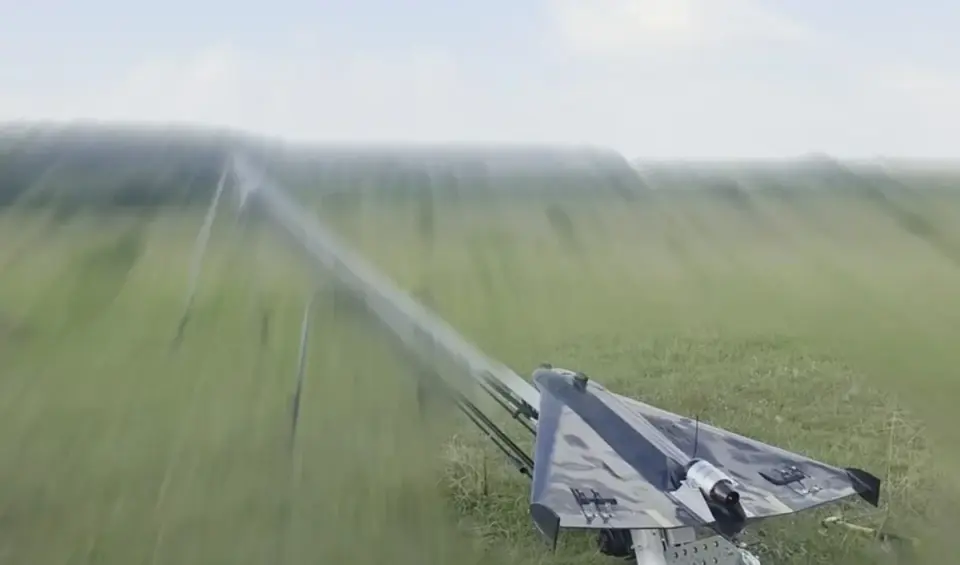
Ukraine has successfully deployed a new domestically developed interceptor drone to destroy Russian jet-powered Shahed strike drones, President Volodymyr Zelensky announced on September 19, 2026. Following a briefing from acting Security Service of Ukraine (SBU) head Oleksandr Poklad, Zelensky confirmed that the SBU’s military counterintelligence unit created the system and has already applied it in combat. The Armed Forces of Ukraine are currently testing four interceptor models on the front line, while approximately 10 other manufacturers evaluate prototypes. This development aims to counter high-speed Russian UAVs, such as the Geran-4 and Banderol, which travel at 400-600 km/h and overwhelm traditional air defenses. The announcement follows a surge in civilian casualties, with August 2026 recording 372 deaths and 2,349 injuries from long-range strikes, a 55% increase over 2025 levels.
Key points
- Zelensky confirmed the successful operational deployment of a new interceptor drone developed by the SBU’s military counterintelligence department.
- The Armed Forces of Ukraine are testing four interceptor models in active combat zones, with 10 other manufacturers evaluating prototypes for formal codification.
- Russian jet-powered drones, including Geran-4 and Banderol models, travel at 400-600 km/h, reducing the reaction window for mobile fire teams to as little as six seconds.
- August 2026 was one of the deadliest months for Ukrainian civilians, with 372 killed and 2,349 injured, driven largely by long-range weapons.
- Ukraine increased its jet-powered drone attacks eightfold over the summer, launching approximately 2,800 such drones in August compared to 350 in June.
Background
Ukraine has been fast-tracking interceptor drone development since early 2026 to counter Russia’s shift to jet-powered Shahed variants, which fly faster and higher than previous propeller-driven models. By September 2026, multiple firms, including Firebolt Engineering, had entered field trials, though challenges remained regarding radar gaps and full autonomy. The latest announcement marks a progression from earlier tests in September 2026, where control systems required refinement, to confirmed combat application.
How outlets are covering it
While Kyiv Post and Ukrainska Pravda attribute the interceptor’s development and deployment to the SBU’s military counterintelligence unit, UNITED24 Media cites Commander-in-Chief Mykhailo Drapatyi as the source of the operational report, noting a successful downing during testing. Kyiv Post emphasizes the broader context of civilian casualties and the need for cost-effective countermeasures, whereas UNITED24 Media highlights the technical progress from earlier trials in mid-September 2026. The Independent provides limited detail on the interceptor itself, focusing instead on Russian drone attacks on Moscow and domestic Russian elections, offering a contrasting geopolitical perspective.
Why it matters
The successful deployment of a native interceptor against jet-powered Shaheds represents a critical shift in Ukraine’s air defense strategy, potentially reducing reliance on expensive ground-based systems and mitigating the surge in civilian casualties from long-range strikes. As Russia escalates the use of high-speed drones, which now account for a significant portion of attacks, the ability to intercept these threats efficiently is vital for protecting urban centers and sustaining defensive capabilities.
What to watch
Ukraine plans to scale up production of the interceptor drone, with Zelensky urging developers and manufacturers to expand output. The Armed Forces of Ukraine will continue testing the four active models and evaluating prototypes from the 10 other manufacturers before formal military codification. Defense planners aim to integrate these systems to relieve pressure on ground-based air defenses and address the growing threat of high-velocity aerial targets.
- Ukraine Deploys New Interceptor Drone Against Jet-Powered Shaheds Kyiv Post
- Ukraine-Russia war latest: Russia claims election voting system hit by cyber attack after repelling drone strike The Independent
- Zelenskyy unveils new interceptor drone for jet-powered Shahed drones – video Українська правда
- Zelenskyy Confirms Breakthrough as Native Interceptor Downs Jet-Powered Shahed UNITED24 Media
- Footage shows Ukraine's latest answer to jet-powered Shaheds destroy target Yahoo
Want the full story? Read the original reporting
Read on Kyiv Post