
Ukraine scrambles to counter 800 km/h Russian jet drones as Moscow airspace shuts down
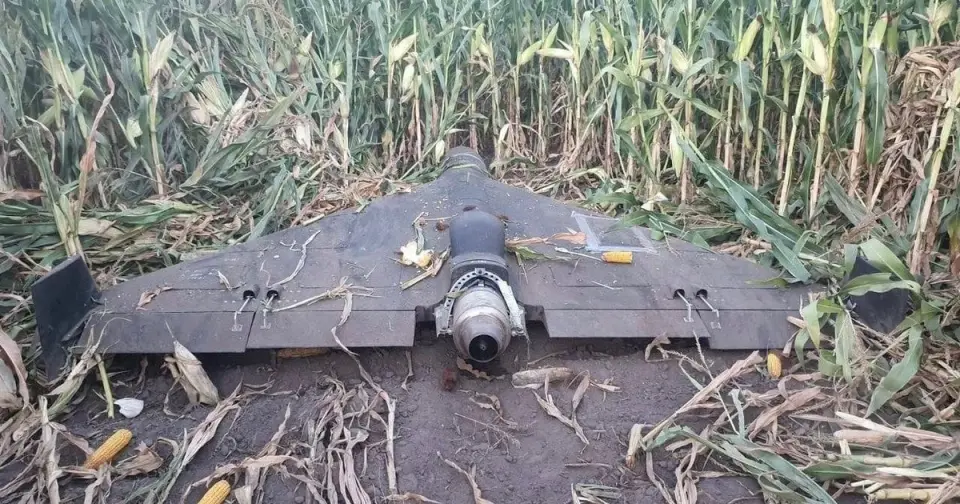
Ukraine is developing countermeasures for Russian jet-powered drones reaching 800 km/h, while Moscow suspended all airport flights on October 9 due to drone and balloon activity.
Key points
- Ukraine's Defense Minister Yevhenii Khmara states the country is working on countermeasures for next-generation Russian jet drones capable of 800 km/h.
- Current interception rates for Russian jet drones stand at approximately 55%, compared to over 90% for slower propeller-driven models.
- All four major Moscow airports suspended operations on October 9 following reported drone activity and sightings of small balloons.
- Ukraine is scaling up heavy-caliber turrets and interceptor drones, though production of small jet engines remains a bottleneck.
Background
This development follows a rapid escalation in Russian drone warfare. In September 2026, Russia began serial production of Geran-4 and Geran-5 drones at a rate of 3,000 units per month. Earlier this month, Ukrainian volunteer units reported significant difficulties intercepting these fast targets, leading to increased reliance on fighter jets and automated turrets. The recent closure of Moscow airports marks a significant shift, as aerial threats previously concentrated on Ukrainian cities now disrupt Russian domestic infrastructure.
How outlets are covering it
Euromaidan Press emphasizes the strategic planning aspect, highlighting Defense Minister Khmara’s focus on layered defense systems and future-proofing against 800 km/h threats. The Guardian provides a ground-level perspective, detailing the frustration of volunteer crews in Kyiv who find existing machine guns ineffective against high-speed, high-altitude targets. The Globe and Mail frames the situation as a technological arms race, noting that Russia’s new Geran-4 and Geran-5 models are twice as fast as previous iterations. UNITED24 Media focuses on the immediate impact in Russia, reporting that over 200 flights were delayed and 100 canceled on October 9 due to the aerial activity over Moscow.
Why it matters
The introduction of ultra-fast jet drones is forcing a fundamental shift in air defense strategies for both sides. For Ukraine, it exposes critical gaps in current defenses and accelerates the need for advanced interceptor technology. For Russia, the closure of major airports indicates that Ukrainian counter-strikes and drone activity are now severe enough to disrupt domestic civilian infrastructure, signaling an expansion of the conflict's geographic and economic impact.
What to watch
Ukraine expects to field new interceptor drones within three to four months, according to industry estimates. The focus will be on scaling production of jet engines and integrating automated turrets into the defense network. Meanwhile, Russia may continue to adapt drone flight paths and speeds in response to Ukrainian countermeasures, maintaining a dynamic cycle of technological adaptation.
- Russia is building jet drones that fly 800 kilometers per hour, and Ukraine says it is already working on how to stop next generation Euromaidan Press
- ‘A life-or-death race’: the volunteers protecting Kyiv’s skies from new jet-powered drones The Guardian
- Ukrainian Drones Close Moscow Airports as Putin Flies Back to Russia The New York Times
- Russia’s switch to jet-powered drones has given it another advantage in Ukraine The Globe and Mail
- Mysterious Balloons and Drones Trigger Shutdown of All Four Moscow Airports UNITED24 Media
Want the full story? Read the original reporting
Read on Euromaidan Press