
Rosneft reinstates nationwide fuel caps as Ukrainian strikes resume on Russian refineries
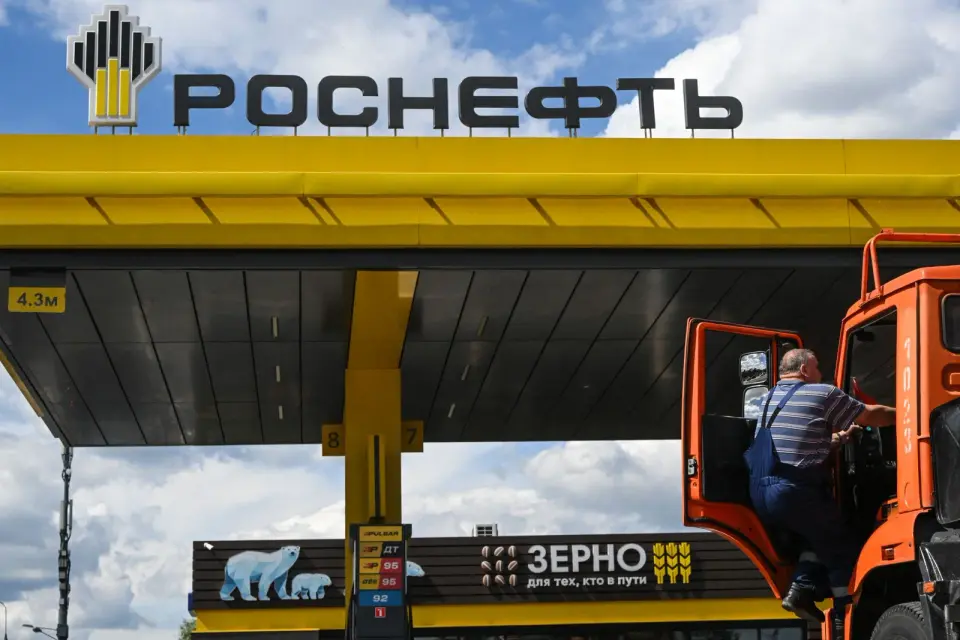
Russia has reintroduced strict gasoline sales limits across multiple regions following a resumption of Ukrainian drone attacks on oil refineries. State-controlled Rosneft has capped purchases at 30 liters in cities and 50 liters on highways, banning canister sales. These measures follow a brief pause in strikes that ended in late October, coinciding with a new round of US-brokered peace talks in Abu Dhabi.
Key points
- Rosneft imposed fuel purchase limits in Krasnoyarsk Krai, Karelia, Buryatia, Zabaykalsky Krai, and Novosibirsk Oblast, restricting customers to 30 liters of AI-95 gasoline and 50 liters of AI-92 gasoline in urban areas.
- Ukrainian forces struck Russia’s second-largest refinery, Kirishi, overnight on November 8-9, confirmed by Leningrad Oblast Governor Aleksandr Drozdenko, marking the first major strike since a two-week pause in attacks.
- The restrictions follow a temporary easing of limits on October 23, which was reversed after Ukraine resumed long-range drone and missile strikes on October 30, targeting facilities including Novokuibyshevsk and Ryazan.
- In Nizhny Novgorod, authorities deployed National Guard and police to enforce a 40-liter cap and banned fuel sales to vehicles registered in other regions, citing supply disruptions from strikes on the Lukoil-Nizhegorodnaftorgsintez refinery.
- Ukraine’s General Staff reported hitting a plant in Leningrad Oblast that produces solid-fuel charges for Topol-M and Iskander-M ballistic missiles, linking energy strikes to broader military degradation efforts.
Background
This development follows a volatile period in late 2026 where US President Donald Trump pressured Ukraine to halt refinery strikes to stabilize global diesel prices, leading to a brief pause in attacks. Ukraine resumed operations in October after the US restricted intelligence sharing and Starlink services, citing Russian violations of an energy ceasefire. Previous archive coverage noted that at the peak of the crisis in August, up to 45% of Russia’s refining capacity was offline, triggering the worst fuel shortages since the Soviet collapse.
How outlets are covering it
The Kyiv Independent and Ukrainian outlets like Ukrainska Pravda emphasize the direct link between Ukrainian strikes and Russian rationing, framing it as a strategic response to Moscow’s energy infrastructure. The Financial Times provides broader context, noting that Russia typically produces 10-15% more petrol than it consumes, meaning even minor capacity drops cause immediate shortages, and highlights the role of US intelligence in targeting vulnerable refinery components. UA.NEWS focuses on the security response, detailing the deployment of the National Guard in Nizhny Novgorod to enforce caps, while noting that the Kirishi strike may not be the sole cause of all regional limits. Outlets agree on the return of rationing but differ on the extent of the causal link between specific strikes and immediate supply constraints.
Why it matters
The reintroduction of fuel caps signals that Russian refining capacity remains vulnerable to Ukrainian drone campaigns, undermining Moscow’s ability to sustain its war economy and export revenues. It highlights the effectiveness of Ukrainian long-range strikes in disrupting domestic energy supplies, potentially influencing the upcoming peace talks in Abu Dhabi by demonstrating Ukraine’s capacity to impose economic costs on Russia despite US pressure to pause such operations.
What to watch
Analysts expect continued volatility in Russian fuel markets as Ukraine maintains its strike campaign. The outcome of the Abu Dhabi peace talks may influence whether a new pause in strikes occurs, potentially easing fuel restrictions. Russia may further import petrol from India or adjust domestic production mixes to mitigate shortages, while Ukrainian forces are likely to target additional refineries and missile fuel plants to degrade Russian military logistics.
- Russia imposes gasoline sales restrictions amid Ukrainian oil refinery attacks, Russian media report The Kyiv Independent
- Fuel shortages return to Russian regions after Ukrainian refinery attacks Reuters
- Russia caps petrol sales after wave of Ukrainian strikes on refineries Financial Times
- Petrol sales limits introduced across Russia Українська правда
- Russia has restricted gasoline sales and deployed the National Guard at gas stations UA.NEWS
Want the full story? Read the original reporting
Read on The Kyiv Independent