
Ukraine Convenes Emergency UN Meeting After Russian Strikes Kill 27 in Dnipro, Chernihiv, and Kremenchuk
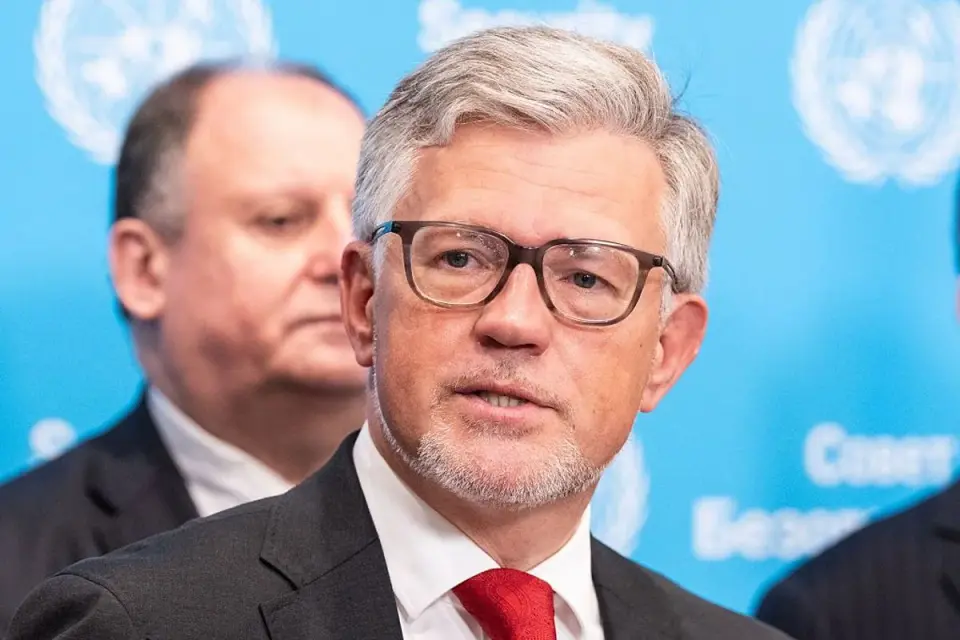
Ukraine has requested an emergency session of the UN Security Council following a series of Russian attacks on October 29 that killed at least 27 people and injured 128 across three cities. The strikes targeted civilian infrastructure, including a railway station in Dnipro and residential buildings in Chernihiv and Kremenchuk. Kyiv accuses Moscow of deliberately targeting civilians to undermine a fragile ceasefire in the southern city of Oleshky. While European leaders condemned the violence as 'cruel and devastating,' the attacks coincided with US moves to ease sanctions on Russian energy, prompting Kyiv to demand stricter international pressure and air-defense support.
Key points
- Ukraine's UN envoy Andrii Melnyk called for an emergency Security Council meeting, stating Russian missiles 'deliberately slaughtered 20 Ukrainians' in the three cities.
- A jet-powered drone struck Dnipro's main railway station, killing 15 and injuring 14 as a train prepared to depart for Zaporizhzhia.
- Russian strikes on Chernihiv killed two 15-year-old girls and injured 25, while an attack on a residential building in Kremenchuk killed three and injured 32.
- President Zelensky described the attacks as 'horrific' and 'deliberate strikes against civilians,' occurring despite a ceasefire in Oleshky brokered by first lady Melania Trump.
- European Commission President Ursula von der Leyen and EU Council President António Costa condemned the strikes, calling for increased pressure on Russia.
- The attacks coincided with US President Donald Trump waiving sanctions on Russian fossil fuel sales, which Kyiv argues emboldens further aggression.
Background
This escalation follows a period of heightened tension in the Black Sea, where NATO has increased surveillance due to a surge in drone attacks on merchant shipping. In late October, at least five cargo vessels were struck, resulting in 23 reported deaths or missing sailors. Ukraine has also previously sought international attention for the humanitarian crisis in Oleshky, a Russian-occupied city in Kherson region where residents face severe shortages of food, medicine, and clean water. The current UN appeal is part of a broader effort by Kyiv to hold Moscow accountable for civilian casualties, despite Russia's veto power on the Security Council.
How outlets are covering it
The Kyiv Independent and UNITED24 Media emphasize the deliberate targeting of civilians, with Melnyk accusing Russia of 'barbaric atrocities' and demanding its removal from the UN. CNN highlights the broader context of US-Russia sanctions negotiations, noting that Washington is in talks to lift sanctions on Russia's sovereign wealth fund, which Ukraine's sanctions commissioner Vladyslav Vlasiuk criticized as premature. The Guardian focuses on the European response, with leaders like Macron and Costa calling for 'far more than a localized ceasefire' and increased pressure on Moscow. All sources agree on the casualty figures and the timing of the attacks, but differ in emphasis: Kyiv Independent and UNITED24 focus on the UN appeal, CNN on the sanctions dispute, and The Guardian on the European diplomatic response.
Why it matters
The strikes underscore the fragility of the Oleshky ceasefire and the risk that Russian attacks on civilian infrastructure will continue despite diplomatic efforts. The UN Security Council meeting may not yield substantive action due to Russia's veto power, but it signals Kyiv's determination to internationalize the issue. The timing of the attacks, coinciding with US sanctions waivers, raises questions about the effectiveness of Western pressure on Moscow. For Ukraine, the attacks highlight the critical shortage of air-defense missiles and the need for increased support from allies. For the international community, the strikes test the resolve of European and US leaders to hold Russia accountable for civilian casualties while managing broader geopolitical interests.
What to watch
The UN Security Council is expected to hold an emergency meeting in the coming days, though Russia's veto power may limit substantive action. Ukraine is likely to continue calling for increased air-defense support and tougher sanctions on Russian energy exports. The fragile ceasefire in Oleshky is set to expire on November 1, raising concerns about renewed fighting in the region. US-Russia talks on sanctions may continue, but Kyiv has warned that lifting sanctions without constructive actions from Moscow will only embolden further aggression. Ukraine's pause on strikes against Russian oil refineries is expected to last until after US midterm elections, potentially affecting the balance of power in the conflict.
- Ukraine calls for emergency UN Security Council meeting over deadly Russian attacks on Dnipro, Chernihiv, Kremenchuk The Kyiv Independent
- Russian drone strike kills 14 on Ukrainian rail platform, 6 die in other attacks Reuters
- Russia strikes Dnipro train station in central Ukraine, killing 15 CNN
- Ukraine war briefing: Outrage in Europe after Russian drone kills 14 on rail platform in Dnipro The Guardian
- 20 Dead in Russian Strikes—Ukraine Convenes Emergency UN Meeting and Demands Russia Out UNITED24 Media
Want the full story? Read the original reporting
Read on The Kyiv Independent