
Ukraine's Neptune Strikes Hit Two Su-34s in Volgograd, Highlighting Fleet Vulnerabilities
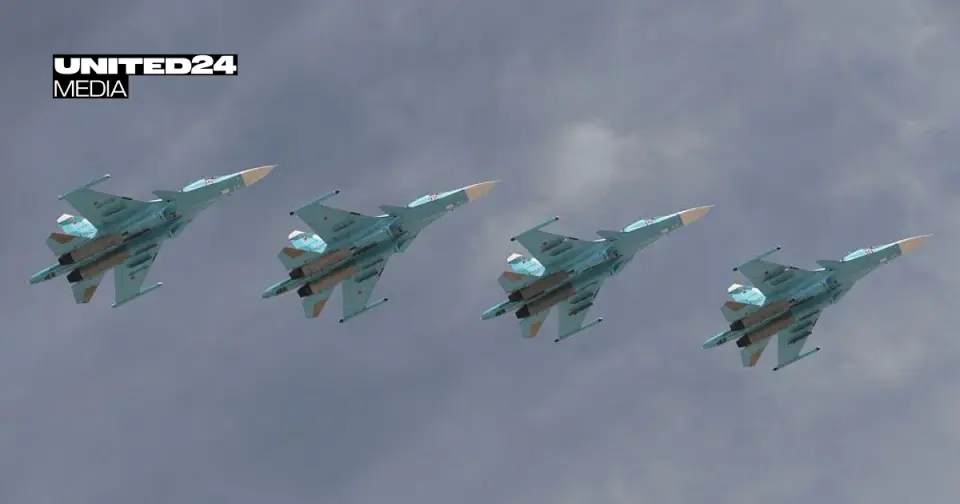
On October 29, 2026, Ukraine's Neptune coastal missile system destroyed two Russian Su-34 fighter-bombers at the Marinovka airfield in Volgograd region. President Volodymyr Zelensky confirmed the strike, noting it was part of a broader day of attacks that also hit an Iskander missile launcher. This incident underscores the strategic impact of Ukrainian deep-strike capabilities on Russian aviation assets.
Key points
- Ukraine's Neptune missile system destroyed two Su-34 fighter-bombers at the Marinovka airfield in Volgograd region on October 29.
- President Zelensky confirmed the strike, noting it was part of a broader day of attacks that also hit an Iskander missile launcher.
- The Su-34 is a key Russian aircraft for launching guided aerial bombs, with an estimated value of $50 million per unit.
- Ukraine's Defense Intelligence reported that Russia has lost 43 Su-34s since the start of the full-scale invasion, with another seven damaged.
- Replacing these aircraft is costly and time-consuming, with production rates estimated at 14-18 per year.
Background
This strike follows a pattern of Ukrainian deep-strike operations targeting Russian military and energy infrastructure. In September 2026, Ukraine struck the Azov Optical-Mechanical Plant in Rostov using Neptune missiles, damaging facilities that produce missile components. Earlier in October, Ukraine struck six Su-34s at the Borisoglebsk airfield in Voronezh region. These operations highlight the expanding reach and precision of Ukrainian strike capabilities, particularly as Russia faces challenges in replacing lost assets due to production constraints and sanctions.
How outlets are covering it
Ukrainian outlets emphasize the strategic impact of the Neptune strike, highlighting the loss of key aviation assets and the difficulty of replacing them. The Defense Intelligence of Ukraine (DIU) provides data on the size and vulnerabilities of Russia's Su-34 fleet, noting that 43 have been destroyed since the start of the war. Russian state corporation Rostec has announced new deliveries of Su-34s, but DIU suggests that production rates and technological constraints limit Russia's ability to sustain losses. The strike also underscores the broader context of Ukrainian deep-strike operations, which have targeted Russian energy and military infrastructure in recent months.
Why it matters
The destruction of two Su-34s by Ukraine's Neptune missile system highlights the strategic impact of Ukrainian deep-strike capabilities on Russian aviation assets. The Su-34 is a key aircraft for launching guided aerial bombs, and its loss underscores the difficulty of replacing such assets due to production constraints and sanctions. This incident also underscores the broader context of Ukrainian deep-strike operations, which have targeted Russian energy and military infrastructure in recent months, highlighting the expanding reach and precision of Ukrainian strike capabilities.
What to watch
Ukraine is expected to continue its deep-strike operations targeting Russian military and energy infrastructure, particularly as Russia faces challenges in replacing lost assets due to production constraints and sanctions. The destruction of two Su-34s by Ukraine's Neptune missile system highlights the strategic impact of Ukrainian deep-strike capabilities on Russian aviation assets, and the broader context of Ukrainian deep-strike operations, which have targeted Russian energy and military infrastructure in recent months.
- Long Neptune Strikes Again as Ukraine Destroys 2 More Russian Su-34 Bombers UNITED24 Media
- Ukrainian intelligence reveals the size of Russia's Su-34 fighter-bomber fleet Українська правда
- Ukraine Destroys 2 Russian Su-34 Bombers Worth $100M as Zelensky Warns of New Ballistic Strikes Kyiv Post
- Ukrainian attack destroys Russian planes on the ground, Zelensky says Yahoo
- We Now Have Intel About the Russians Preparing New Ballistic Missile Attacks; We Need the Capabilities to Shoot Down This Russian Evil – Address by the President — Official website of the President of Ukraine Офіційне ін��ернет-представництво Президента України
Want the full story? Read the original reporting
Read on UNITED24 Media