
Inside the U.S. First Grounding Park: A Look at Barefoot Hiking
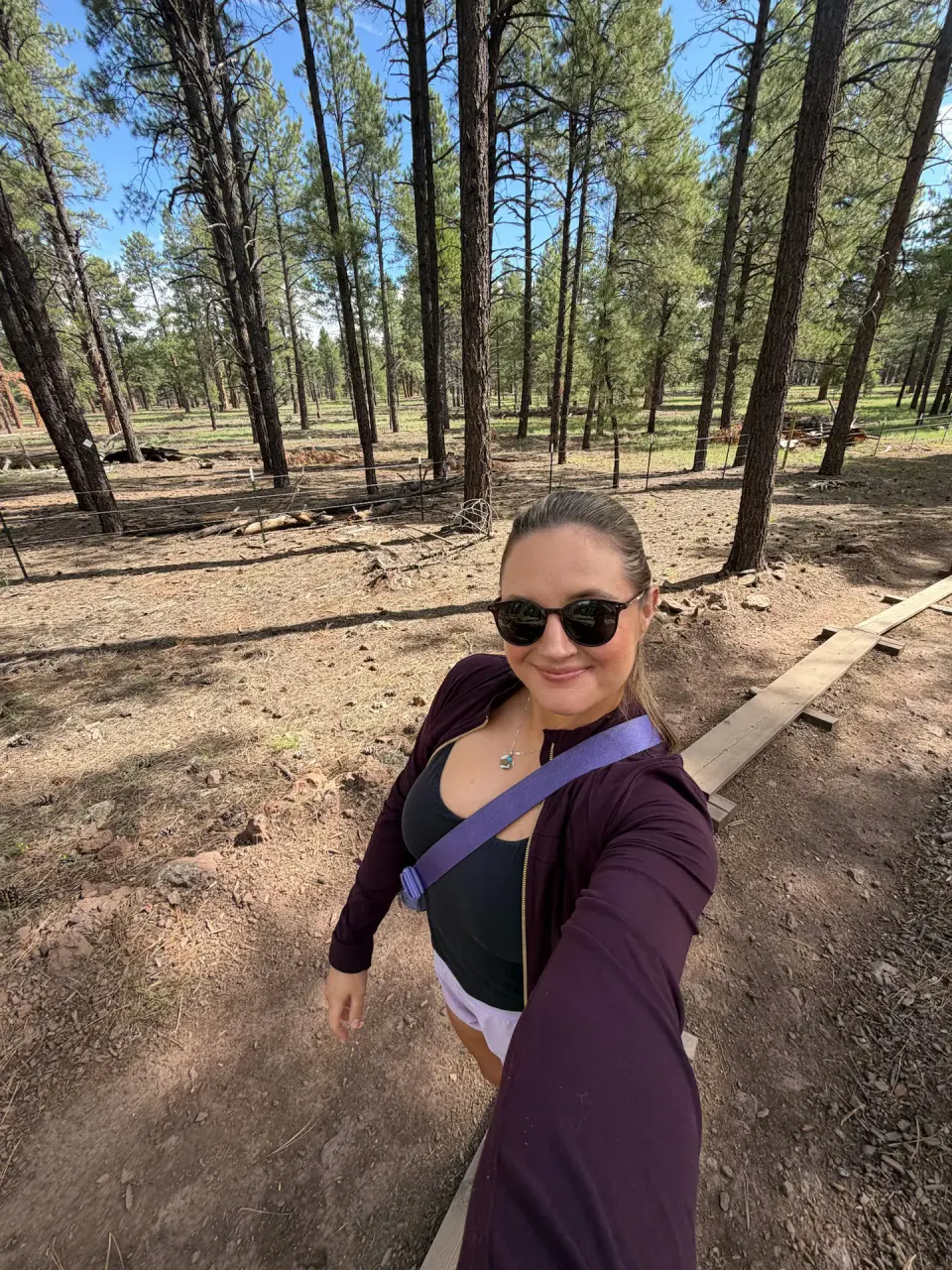
The Washington Post reports on a visit to the Barefoot Trail, billed as the country’s first 'grounding park' outside Flagstaff, Arizona. The facility offers a manicured trail and 'adventure stations' for those interested in 'earthing,' a practice where walking barefoot is believed to reduce inflammation and improve sleep. While the park attracts families and enthusiasts, medical experts note that the scientific evidence supporting these health claims remains limited and inconclusive.
Key points
- The Barefoot Trail is described as the first dedicated 'grounding park' in the United States, located outside Flagstaff, Arizona.
- The park features a manicured trail and 'adventure stations' to provide a safe environment for barefoot walking.
- Proponents of 'earthing' or 'grounding' claim that walking barefoot can reduce inflammation and improve sleep quality.
- Medical experts consulted by the outlet state that the scientific evidence for these health benefits is currently muddy and limited.
- The Washington Post reporter visited the park in August 2026, noting a high volume of families and ticketed visitors.
Background
The concept of 'grounding' or 'earthing' has gained popularity in alternative wellness circles, suggesting that direct physical contact with the earth’s surface can have physiological benefits. While previous coverage may have touched on general outdoor recreation, this story focuses on the commercialization of this practice through dedicated facilities like the Barefoot Trail.
Why it matters
This story highlights the growing trend of commercializing alternative wellness practices in the United States. It illustrates the gap between popular health claims and established medical science, prompting consumers to critically evaluate the efficacy of new wellness amenities and the evidence behind them.
What to watch
As the Barefoot Trail attracts more visitors, it may serve as a model for similar wellness-focused attractions. Future developments could include further scientific studies to validate or refute the health claims associated with grounding, as well as potential expansion of such facilities in other regions.
Want the full story? Read the original reporting
Read on The Washington Post