
Record evacuations and pyrocumulonimbus clouds define historic Iberian wildfire crisis
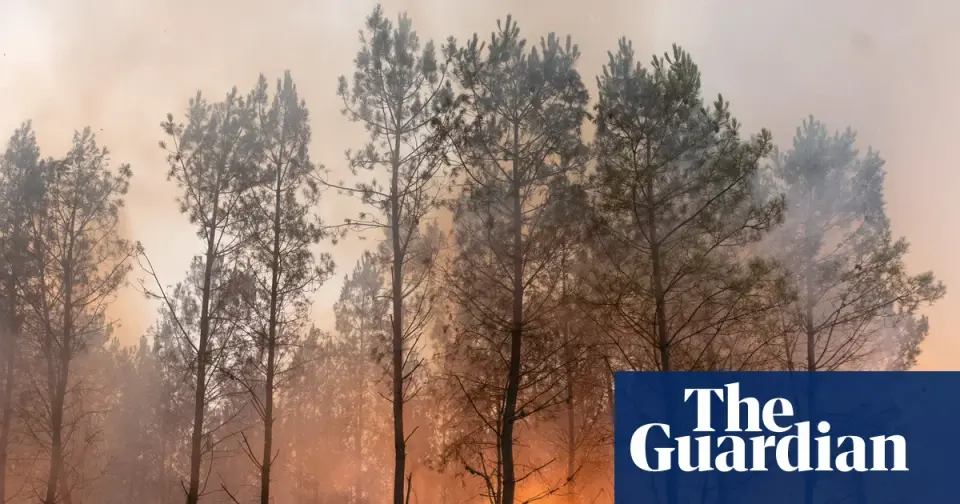
Wildfires in southern Europe have displaced approximately 375,000 people across France and Spain, with the Gironde blaze in France potentially becoming the country’s largest peacetime evacuation. The fires have burned over 1,160 square kilometers in France and 1,530 square kilometers in Spain, creating rare pyrocumulonimbus clouds that generate their own weather. As a new heatwave approaches, authorities face a precarious situation where some evacuees are returning while others are ordered out, highlighting the fragility of current containment efforts.
Key points
- Approximately 375,000 people have been evacuated, with 260,000 in France and 116,000 in Spain.
- The Gironde fire has burned an area four times the size of Paris, forcing 220,000 evacuations.
- Rare pyrocumulonimbus clouds formed, generating lightning and winds that spread the fire.
- A new heatwave is forecast to reach 40C, threatening to reignite smoldering vegetation.
- At least 13 people have died in Spain, and 110 firefighters have been injured in France.
Background
This crisis follows a pattern of intensifying wildfire seasons in Europe, as seen in Ontario’s recent evacuations and the smoke that affected the 2026 World Cup final. Earlier coverage in late July noted that Gironde was already on the edge of a 40C heatwave, with officials warning of fragile conditions and even an arson suspect being arrested. The current situation represents an escalation of those previous warnings, with the fires now creating their own weather systems and causing unprecedented economic and social disruption.
How outlets are covering it
The Guardian emphasizes the human impact, detailing the harrowing experiences of tourists who fled the fires, such as hitchhiking to safety and witnessing ash fall from the sky. AP News focuses on the logistical complexity, noting the paradox of thousands being ordered out of coastal resorts while others are allowed to return, and highlights the unprecedented scale of the evacuation. CNBC stresses the economic and scientific dimensions, quoting experts on the 'erratic and unmanageable' nature of the pyrocumulonimbus clouds and the massive fiscal costs of the crisis, comparing it to the 2025 California fires. All sources agree on the severity and the threat posed by the incoming heatwave, but they differ in their primary focus: human experience, logistical management, and economic/climate analysis, respectively.
Why it matters
This event marks a turning point in how Europe deals with climate-driven disasters. The formation of pyrocumulonimbus clouds, which create their own weather, indicates a new level of fire behavior that is difficult to manage. The massive evacuations and economic costs will have long-term impacts on the regions, and the crisis highlights the urgent need for a national pact to fight wildfires, as called for by Spanish Prime Minister Pedro Sánchez. It also underscores the reality of climate change, with Europe heating at more than twice the global average.
What to watch
Authorities are bracing for a new heatwave that could reignite the fires. Firefighters are continuing to cut firebreaks and dampen down smoldering vegetation, but they warn that the situation remains fragile. Some evacuees are being allowed to return, but others are being ordered out as new flames erupt. The coming days will be critical in determining whether the fires can be contained or if they will spread further, potentially merging into a single massive blaze.
- ‘Ash fell from the sky’: Tourists describe fleeing ‘apocalyptic’ wildfires in France The Guardian
- Fire Raging Near Bordeaux Brings More Bad News for Its Vineyards The New York Times
- New evacuation from tourist sites near Bordeaux as France and Spain fight wildfires The Guardian
- France orders 4,000 more evacuated as fires displace a third of a million across southwest Europe AP News
- Wildfires burn nearly 300,000 acres in France and Spain as heat wave looms CNBC
Want the full story? Read the original reporting
Read on The Guardian