
Brazil's Snake Island: Myth vs. Reality of the Golden Lancehead
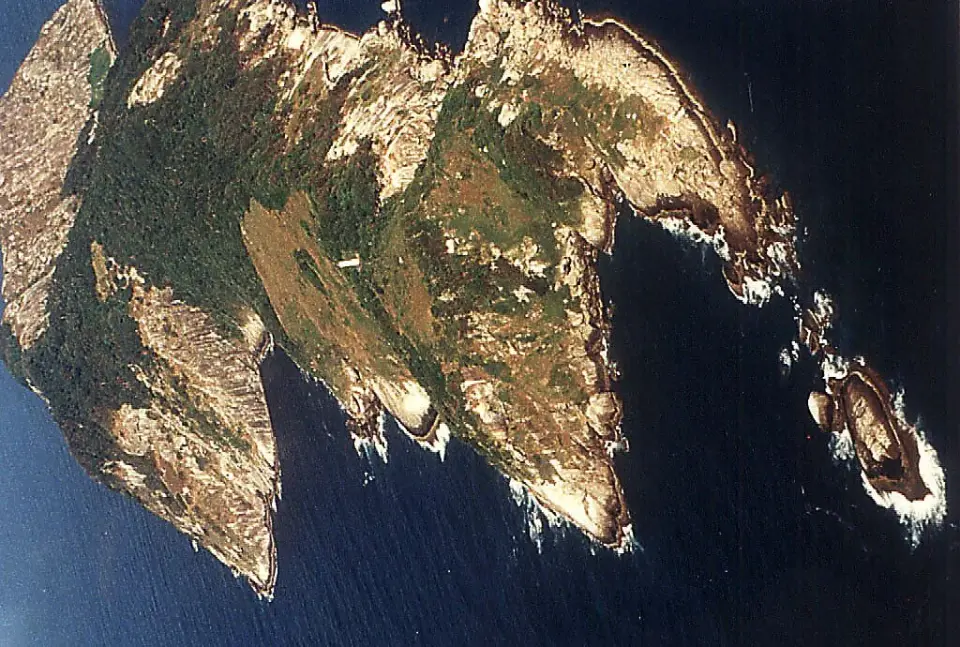
Ilha da Queimada Grande, a 43-hectare island 33km off Brazil, is restricted to scientists and military personnel due to its population of golden lancehead vipers. While popular lore claims one snake per square metre, estimates suggest only 2,000 to 4,000 individuals exist, making the area less densely populated than feared. The species, isolated for 11,000 years, is Critically Endangered and primarily preys on migratory birds rather than mammals. Recent unauthorized visits by YouTubers have failed to document any snake encounters, suggesting the island's danger is overstated. The visit ban likely serves to protect the declining snake population from illegal pet trade exploitation, where a single specimen can fetch $30,000.
Key points
- Ilha da Queimada Grande is a 43-hectare island located 33km off the Brazilian mainland, accessible only to researchers and military personnel.
- The island is home to the golden lancehead, a pit viper species that has evolved in isolation since sea levels rose 11,000 years ago.
- Contrary to the claim of one snake per square metre, scientific estimates place the population between 2,000 and 4,000, equating to over 100 square metres per snake.
- The golden lancehead's venom is designed to immobilize birds, specifically the Chilean elaenia and yellow-legged thrush, rather than mammals.
- The species is listed as Critically Endangered by the IUCN, with populations declining due to illegal collection for the pet trade, where snakes sell for up to $30,000.
- No documented cases of golden lancehead bites on humans exist, and biologists describe the vipers as non-aggressive when approached.
Background
This story follows previous coverage of wildlife and environmental issues, such as the discovery of WWII relics in the Danube and dangerous rip currents near the Mississippi coast. It also aligns with broader themes of conservation and restricted access to sensitive ecological areas, similar to the diplomatic tensions seen during Milei's visit to Brazil, which highlighted the importance of regional cooperation and respect for national sovereignty and environmental policies.
Why it matters
The restriction on Ilha da Queimada Grande is not primarily to protect humans from snakes, but to protect the snakes from humans. The golden lancehead is Critically Endangered, and the visit ban helps prevent illegal collection for the lucrative pet trade. Understanding the true ecological dynamics, such as the snakes' preference for bird prey and their non-aggressive nature, is crucial for conservation efforts and dispelling myths that could lead to unnecessary fear or misguided tourism.
What to watch
Conservation efforts will likely continue to focus on protecting the golden lancehead from illegal collection and habitat loss. Further scientific studies may be conducted to understand the population dynamics and the impact of the visit ban on the species' survival. Public awareness campaigns may also be launched to correct misconceptions about the island's danger and the snakes' behavior.
Want the full story? Read the original reporting
Read on BBC Wildlife Magazine