
Alzheimer’s patient survives 11 days in Amazon using mining knowledge
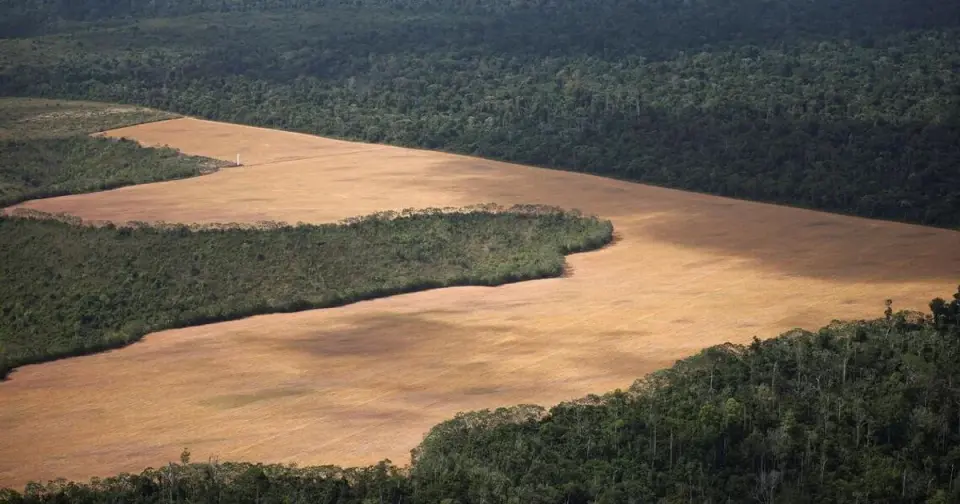
Janarino Ferreira dos Santos, a 74-year-old Brazilian man with Alzheimer’s disease, was found alive on November 20, 2026, after 11 days lost in the Amazon rainforest near Macapá, Amapá. He survived by eating buriti palm fruit and drinking from natural water sources, leveraging his experience as a former informal gold miner. Rescuers located him approximately 10 kilometers from where he disappeared, finding him disoriented and in his underwear. His granddaughter, Sara Montes, had publicly urged search teams not to suspend operations on November 22, two days before his discovery. He remains hospitalized in Macapá for a urinary tract infection and physical injuries, including scratches and thorns embedded in his feet.
Key points
- Janarino Ferreira dos Santos, 74, was found alive on November 20, 2026, after 11 days missing in the Amazon rainforest near Macapá, Amapá, Brazil.
- He survived by consuming buriti palm fruit and drinking from natural water sources, utilizing his prior experience as an informal gold miner to navigate the dense vegetation.
- Rescuers discovered makeshift shelters he built from açaí palm leaves and footprints indicating he had walked in circles, with one shelter showing a strong smell of urine that matched his known medical condition.
- His granddaughter, Sara Montes, posted a video on Instagram on November 18 urging firefighters to continue the search, which was planned to be suspended on November 22.
- Dos Santos was found approximately 10 kilometers from his last known location, appearing disoriented and in his underwear, and was carried out on a makeshift stretcher due to the dense vegetation.
- He remains hospitalized in Macapá, receiving treatment for a urinary tract infection and physical injuries, including dry skin, scratches, and thorns embedded in his feet.
Background
This incident follows a pattern of high-profile survival stories in the Amazon, such as the 2026 rescue of four children, including a baby, after a plane crash in the region. The case highlights the critical role of local knowledge and prior experience in survival scenarios within dense rainforests, where visibility is often limited to a few meters. It also underscores the challenges faced by search and rescue teams in such environments, where even extensive operations can take days or weeks to locate missing individuals. The emotional appeal by the family, particularly the granddaughter’s public plea, reflects the broader societal concern for missing persons and the determination to continue searches despite difficult conditions.
How outlets are covering it
The Straits Times, Marca, Daily Voice, and cwibc.co.id all report the core facts of the rescue, including the 11-day duration, the location near Macapá, and the survival methods. Marca and cwibc.co.id provide additional details, such as the strong smell of urine in one of the shelters, which helped confirm the trail, and the specific physical injuries, including thorns embedded in his feet. The Straits Times and Daily Voice emphasize the emotional appeal by the granddaughter, Sara Montes, and the planned suspension of the search on November 22. All sources agree on the role of his prior experience as a gold miner in his survival, but Marca and cwibc.co.id offer more granular details about the search process and his medical condition. There is no significant disagreement among the outlets, but the level of detail varies, with Marca and cwibc.co.id providing more comprehensive accounts of the rescue and his condition.
Why it matters
This case highlights the resilience and adaptability of individuals with cognitive impairments, such as Alzheimer’s disease, in extreme survival situations. It also underscores the importance of local knowledge and prior experience in navigating challenging environments like the Amazon rainforest. The emotional appeal by the family and the public response reflect the broader societal concern for missing persons and the determination to continue searches despite difficult conditions. Additionally, the case raises questions about the adequacy of search and rescue operations in dense, remote areas and the role of technology and community involvement in such efforts.
What to watch
Janarino Ferreira dos Santos is expected to continue his recovery in a hospital in Macapá, where he is receiving treatment for a urinary tract infection and physical injuries. His family and medical team will likely monitor his progress and provide updates on his condition. The case may also prompt discussions about improving search and rescue protocols in remote areas and the role of community involvement in such efforts. There is no indication of further legal or regulatory actions, but the case may serve as a reference for future survival stories and rescue operations in similar environments.
- Man with Alzheimer’s found alive after 11 days in Brazilian Amazon The Straits Times
- A 74-year-old man with Alzheimer's survived 11 days lost in the Amazon rainforest: he built himself a shelter with palm leaves MARCA
- 74-year-old man with Alzheimer’s found alive after 11 days lost in Amazon rainforest The Sun Malaysia
- Oupa with Alzheimer's survives 11 days in Brazilian Amazon Daily Voice
- Brazilian Man With Alzheimer’s Survives 11 Days in Amazon cwibc.co.id
Want the full story? Read the original reporting
Read on The Straits Times