
Deadly 48-Hour Exchange: Russian Strikes Kill 16 in Kryvyi Rih, Ukraine Hits Russian Refineries
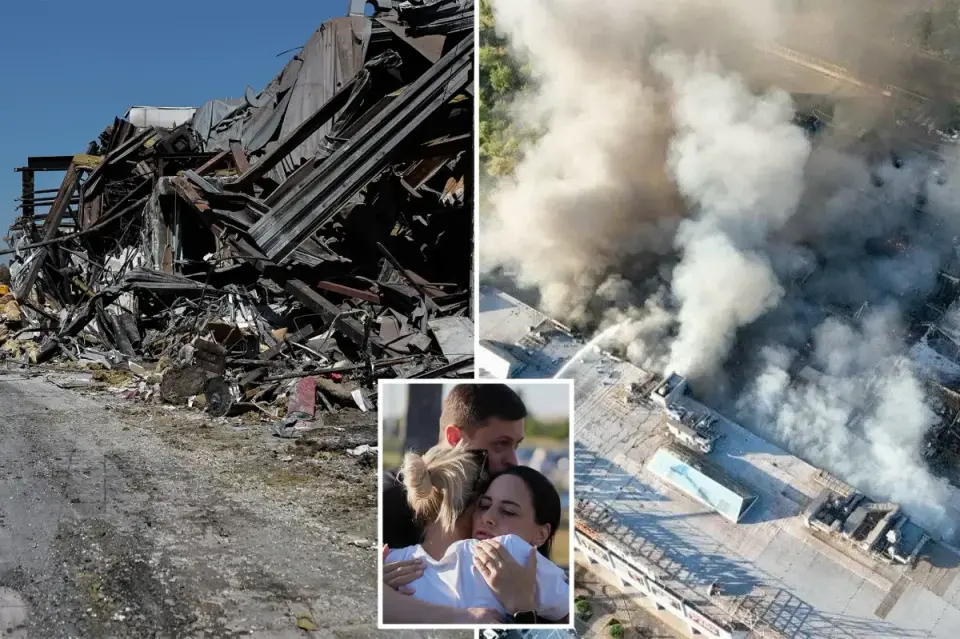
A massive escalation in the Russia-Ukraine conflict has resulted in at least 26 deaths over 48 hours. Russian ballistic missiles and drones killed 16 people in a shopping center in Kryvyi Rih and 10 others across Ukraine, exploiting a critical shortage of US-made Patriot interceptors. In retaliation, Ukrainian long-range drones struck oil refineries and logistics hubs in Russia, including the Novokuibyshevsk facility, causing fuel shortages and economic disruption. The attacks highlight the intensification of strikes on civilian infrastructure and the deepening impact of the war on both nations' economies.
Key points
- Russian strikes killed 16 people and wounded 130 in a shopping center in Kryvyi Rih, President Zelenskyy's hometown, described as a 'double-tap' attack.
- Additional Russian attacks killed 10 people across Kyiv, the Kyiv region, and Zaporizhzhia, with officials citing a lack of Patriot air defense systems.
- Ukrainian drones killed three people in Russia's Krasnodar region and set fire to the Novokuibyshevsk oil refinery in Samara, 1,000 km from the front line.
- The UN reported 54 civilians killed in Kyiv in July alone, marking the highest monthly death toll since May 2022.
- Ukraine's strikes on Russian oil and retail logistics have caused fuel shortages and economic damage, prompting Kremlin concerns over civilian infrastructure.
Background
This escalation follows a period of intensified Ukrainian drone strikes on Russian energy infrastructure, which reduced July refinery throughput to a 24-year low. Recent reports indicate Ukraine is testing advanced long-range drones, including jet-powered models, to reach targets deep inside Russia. The current strikes also follow earlier attacks on major Russian retailers like Wildberries and Ozon, which Moscow has linked to military logistics support.
How outlets are covering it
The New York Post and KCCI focus on the immediate casualty counts and the tactical reality of Ukraine's air defense gap, emphasizing the 'double-tap' nature of the Kryvyi Rih attack. The Guardian provides a broader human and economic context, highlighting the psychological toll on Kyiv residents and the destruction of a $70 million Rozetka warehouse, framing the conflict as a struggle for civilian resilience. While all sources agree on the severity of the strikes, The Guardian emphasizes the long-term economic impact on Russian retail and logistics, whereas the AP-based reports focus on the military and diplomatic dimensions of the energy strikes.
Why it matters
The simultaneous escalation in civilian casualties and infrastructure damage signals a potential shift in the war's trajectory, with both sides targeting economic and civilian nodes to exert pressure. The critical shortage of Patriot interceptors leaves Ukraine vulnerable to ballistic missile strikes, while Ukraine's ability to strike deep into Russia threatens Moscow's energy exports and domestic stability. This dynamic could influence future US aid decisions and the broader geopolitical landscape of the conflict.
What to watch
Analysts expect continued Russian ballistic missile strikes on Kyiv and other Ukrainian cities as long as Patriot interceptors remain scarce. Ukraine is likely to sustain its long-range drone campaign against Russian energy and logistics hubs to disrupt fuel supplies and economic activity. The international community may face increased pressure to provide additional air defense systems to Ukraine, while Russia may seek to protect its critical infrastructure from further deep-strike operations.
- 10 killed in Russian and Ukrainian attacks a day after fatal shopping mall drone strike New York Post
- As Russian missiles rain down on Kyiv, casualties mount and the mood darkens The Guardian
- Russian and Ukrainian attacks kill 10 people, a day after deadly shopping mall drone strike KCCI
- War crimes are part of Russia's strategy in Ukraine, retired U.S. Army colonel says PBS
- A City Under Siege The New York Times
Want the full story? Read the original reporting
Read on New York Post