
Convicted Costa Concordia captain exits prison after nine years under probation
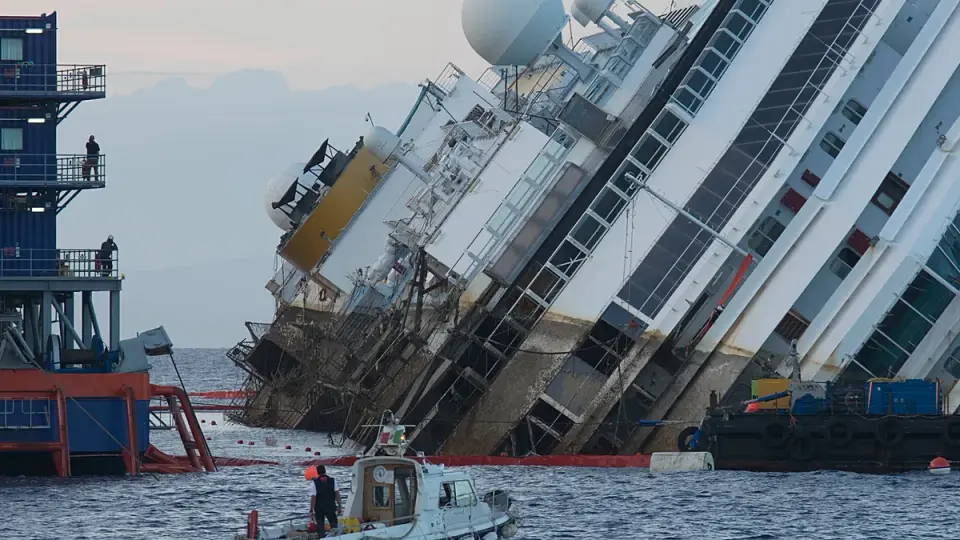
Francesco Schettino, the former captain of the Costa Concordia, was released from Rome’s Rebibbia prison on Friday after serving nine years of a 16-year sentence. The Rome Supervisory Court granted him early release under probation, citing positive rehabilitation assessments. Schettino was convicted in 2015 for the 2012 shipwreck that killed 32 people off the coast of Isola del Giglio. His lawyer welcomed the decision as a logical continuation of his post-conviction process, while bereaved families expressed anger at his early release.
Key points
- Francesco Schettino, 66, left Rebibbia prison in Rome on November 21, 2026, after serving approximately nine years of a 16-year sentence.
- The Rome Supervisory Court approved his release under probation, citing a thorough review of his rehabilitation and conduct in prison.
- Schettino was convicted in 2015 for the 2012 Costa Concordia disaster, which killed 32 passengers and crew after the ship struck rocks near Isola del Giglio.
- His lawyer, Francesca Carnicelli, stated that all conditions for the alternative measure were met, describing it as the correct continuation of his legal process.
- Bereaved families expressed outrage, with one family stating that Schettino is going home while they are serving life sentences.
Background
The Costa Concordia disaster occurred on January 13, 2012, when the cruise ship struck rocks off the coast of Isola del Giglio in the Tyrrhenian Sea, killing 32 people. Schettino was convicted of manslaughter in 2015, with the sentence upheld by the Court of Cassation in 2017. He was also banned from the maritime industry for five years. This release follows a pattern of early releases for high-profile maritime and criminal cases in Italy, such as the 2026 probation deal for former NFL player Antonio Brown in a Miami shooting case.
How outlets are covering it
Euronews and the New York Post reported the release as a result of successful rehabilitation, quoting Schettino’s lawyer. The New York Post highlighted Schettino’s nickname 'Captain Coward' and his claim that he fell onto a lifeboat during the evacuation. La Repubblica focused on the anger of bereaved families, who felt betrayed by the early release. Prosecutors had previously argued Schettino was 'cowardly' for fleeing the ship, while defense attorneys claimed his delayed order to abandon ship saved lives. The sources differ in emphasis: Euronews and the New York Post focus on the legal and rehabilitation aspects, while La Repubblica highlights the emotional response of victims' families.
Why it matters
The release of a high-profile convicted captain after nine years of a 16-year sentence raises questions about the effectiveness of prison rehabilitation programs and the balance between justice and mercy in maritime disasters. It also highlights the ongoing tension between the legal system and the families of victims, who feel that early releases undermine the severity of the crime. The case underscores the complexities of holding individuals accountable for large-scale maritime tragedies and the role of probation in post-conviction justice.
What to watch
Schettino will serve the remaining seven years of his sentence under supervised probation. The Rome Supervisory Court will monitor his compliance with the probation conditions. Bereaved families may seek further legal action or public advocacy to challenge the early release. The case may influence future discussions on prison reform and the criteria for early release in high-profile criminal cases in Italy.
- Former Costa Concordia captain released from prison on probation Euronews.com
- Costa Concordia’s ‘Captain Coward’ released from prison early after crashing ship, leaving 32 dead New York Post
- The anger of the bereaved families: “He’s going home, whilst we’re serving life sentences” la Repubblica
- Schettino Leaves Prison After Nine Years Wanted in Rome
- Schettino leaves prison after more than nine years, entrusted to social services Agenzia Nova
Want the full story? Read the original reporting
Read on Euronews.com