
Saxony Authorities Defuse 21 Devices in Ongoing Grid Sabotage Probe
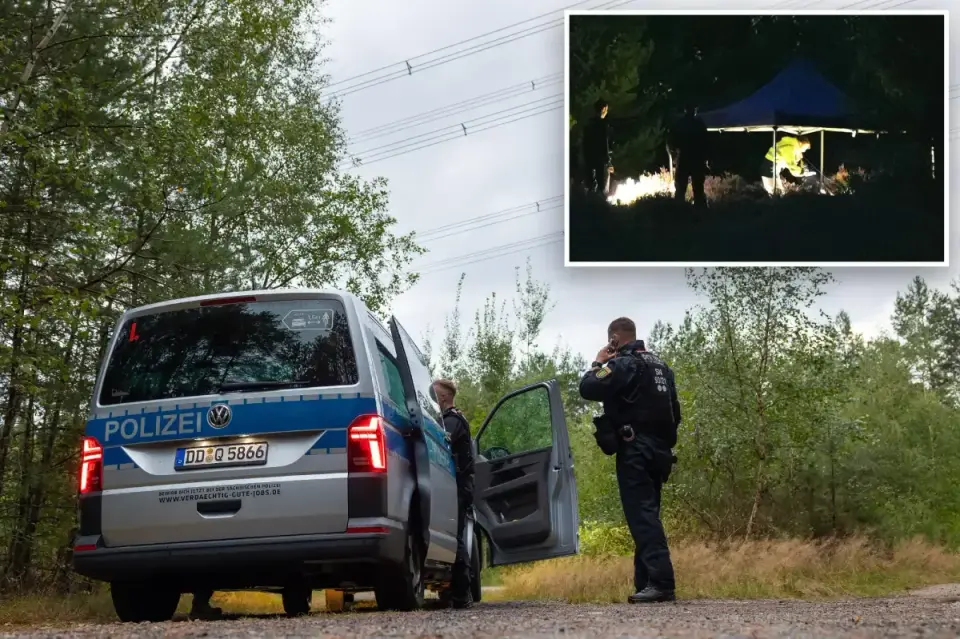
German prosecutors in Saxony confirmed the discovery and defusal of 21 explosive devices near power infrastructure, escalating a week-long investigation into coordinated attacks on the national electricity grid. While authorities have identified a suspect who claimed responsibility via mail, he remains at large, and separate incidents in Berlin and Wesel have triggered fresh security assessments.
Key points
- Saxony prosecutors reported that 21 homemade explosive devices were found and defused, with nine additional devices discovered near the Graustein substation in Goerlitz over the weekend.
- A suspect who sent letters claiming responsibility for the sabotage is currently at large after explosives were found at his home.
- Berlin police are investigating a fire at a substation in the Moabit district, though initial findings suggest a technical fault rather than arson, and power supply remains unaffected.
- Police in Wesel launched major assessment operations after finding the security fence around a transformer substation had been cut open.
Background
This surge in incidents follows a series of drone-related security alerts in August, including an explosive drone found at Leipzig-Halle Airport and drones spotted over a Bundeswehr base in Mechernich. These events heightened European concerns regarding the vulnerability of critical infrastructure, particularly given Berlin’s formal attribution of the August drone attack to Russia. The current grid attacks represent a shift from aerial surveillance or minor incidents to direct physical threats against energy distribution nodes.
How outlets are covering it
Both the New York Post and TVP World report the core fact that 21 explosives were found and defused in Saxony. However, TVP World explicitly confirms that all devices were neutralized, a detail omitted from the New York Post’s summary. The New York Post provides additional context on the Berlin substation fire, noting that police commissioner Barbara Slowik Meisel attributed it to a technical fault, whereas TVP World focuses more on the ongoing search for the suspect and the Wesel fence breach. Both outlets agree that the incidents have kept authorities on high alert, but the New York Post emphasizes the broader European fear of infrastructure vulnerability, while TVP World highlights the specific operational responses in Berlin and Wesel.
Why it matters
The discovery of 21 explosives signals a significant escalation in physical threats to Germany’s energy infrastructure, moving beyond the drone incidents of August to direct sabotage of power grids. The failure to apprehend the suspect who claimed responsibility, combined with simultaneous security breaches in Berlin and Wesel, suggests a coordinated or widespread campaign targeting critical utilities. This instability poses risks to national energy security and may influence broader European defense and infrastructure protection strategies.
What to watch
Authorities will likely continue the manhunt for the suspect who claimed responsibility for the sabotage. Police in Berlin and Wesel are expected to complete their assessments of the substation fire and fence breach, respectively, to determine if these incidents are linked to the broader pattern of attacks. The German government may increase security measures around critical infrastructure sites in response to the heightened threat level.
- German authorities unearth 21 explosives after electricity grid attack nypost.com
- Police defuse 21 explosives found near power grid in Saxony TVP World
- Germany news: Police raid vehicle of suspected grid saboteur DW.com
- Berlin police probe substation fire amid series of attacks on grid Reuters
- German Police Secure Explosive Devices Targeting Power Grid Bloomberg.com
Want the full story? Read the original reporting
Read on nypost.com