
European Drought Worsens as Heat Waves Shrink Crops from Netherlands to Bosnia
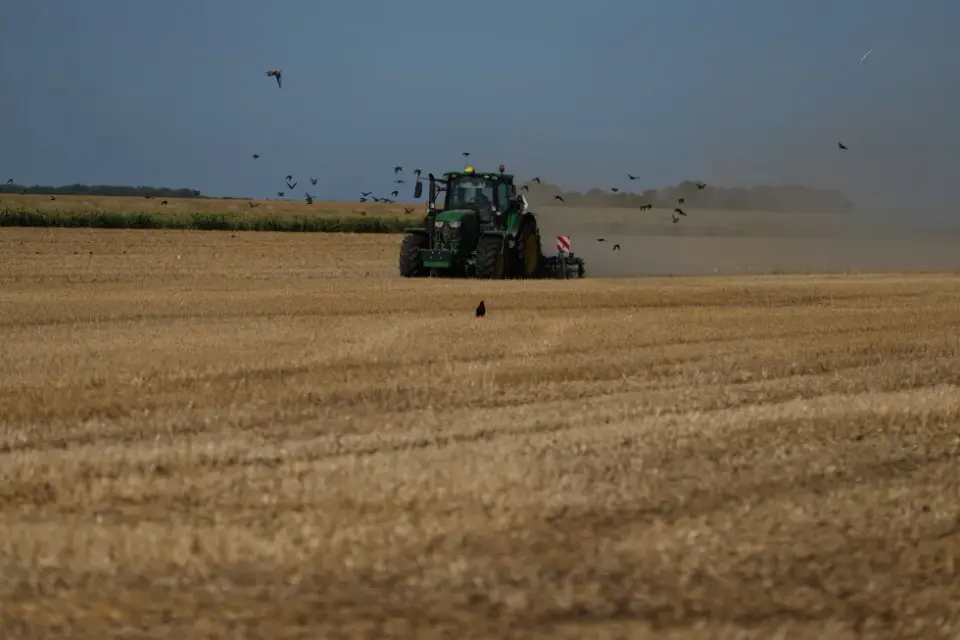
Sustained heat waves across Europe have intensified a severe drought, causing significant crop failures in key agricultural regions. The Associated Press reports that the dry conditions are shrinking yields for staple crops, including potatoes in the Netherlands and corn in Bosnia. This agricultural stress is part of a broader pattern of extreme weather events impacting the continent's food security and energy systems.
Key points
- Heat waves are fueling a widespread drought across Europe, directly impacting crop production.
- The Associated Press highlights specific agricultural losses, noting shriveled potatoes in the Netherlands and reduced corn yields in Bosnia.
- The drought is part of a larger trend of extreme weather events, including record-low river levels and wildfires, that have strained European infrastructure and energy systems.
- The situation underscores the growing threat of climate change to European agriculture and food security.
Background
This development follows a series of extreme weather events across Europe in 2026. In August, the continent experienced a blistering heatwave with more than half the population projected to see temperatures above 30°C, leading to a 20% shortfall in nuclear power output in France. Satellite data from the European Space Programme revealed that record-high heat had driven major rivers, including the Seine, Rhine, and Danube, to historic lows. Earlier in July, France and Spain battled unprecedented wildfires, with hundreds of thousands forced from their homes near Bordeaux. These events collectively signal a pattern of climate-change-driven extremes impacting the continent's energy, water, and agricultural systems.
Why it matters
The drought and its impact on crops highlight the growing vulnerability of European agriculture to climate change. Reduced yields for staple crops like potatoes and corn could lead to higher food prices and potential shortages, affecting both domestic consumers and international markets. The strain on energy systems and water resources further underscores the interconnected risks posed by extreme weather events, necessitating long-term adaptation strategies for the continent.
What to watch
Agricultural experts and policymakers will likely monitor the drought's progression and its impact on crop yields throughout the remainder of the growing season. There may be increased calls for climate adaptation measures in agriculture, such as drought-resistant crop varieties and improved water management systems. The situation could also influence European policy discussions on climate change mitigation and adaptation, particularly in light of the broader extreme weather events affecting the continent.
Want the full story? Read the original reporting
Read on AP News