
Iran Executes Two Protesters as Supreme Court Upholds Death Sentence for Fruit Seller
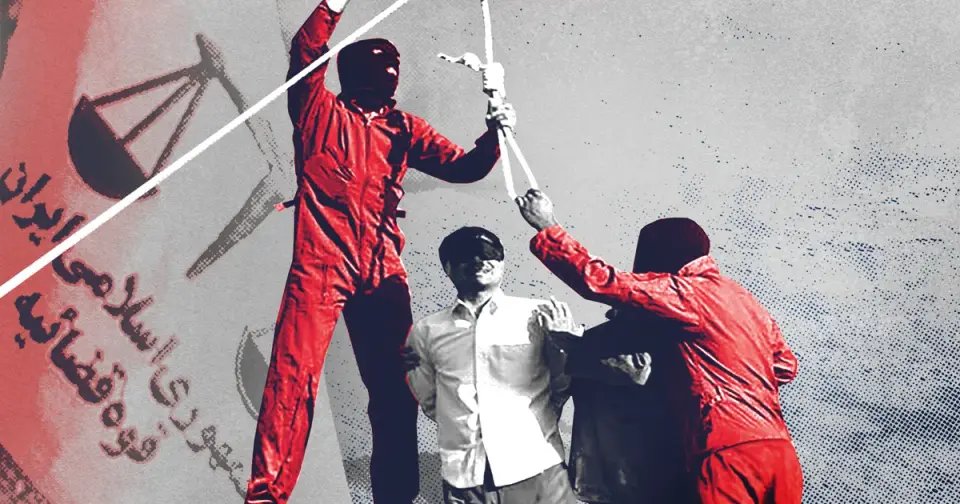
Iran executed two men linked to January 2026 protests on November 3, 2026, while its Supreme Court upheld the death sentence of a fruit seller. These actions follow a wave of executions in Isfahan and Tehran, with rights groups citing torture and unfair trials. The crackdown coincides with intensified enforcement of hijab laws in private sectors and new restrictions on monarchist symbols in Mashhad.
Key points
- Amirhossein Maleki and Abolfazl Ebrahimi were executed at Dastgerd Prison in Isfahan on November 3, 2026, following final family visits.
- The Supreme Court upheld the death sentence of Arman Marefati, a fruit seller arrested during the January 2026 protests, who is held in Karaj.
- Nine individuals have been executed in the 'Alikhani Square' case in Isfahan, stemming from protests on January 8, 2026.
- Bank Pasargad subsidiaries fired employees for violating hijab rules, including women wearing jackets and men wearing jeans.
- Mashhad banned the sale of jewelry featuring the Lion and Sun emblem, a symbol of the pre-1979 monarchy.
Background
This escalation follows the January 2026 nationwide protests, which began over economic hardship and currency devaluation but evolved into calls for regime change. Previous coverage noted the execution of Alireza Sepahi in October 2026, who had married his fiancée via phone hours before his hanging. The current wave of executions and strict dress code enforcement reflects a broader strategy to deter dissent after the 2022 protests sparked by Mahsa Amini's death.
How outlets are covering it
Iran International and HRANA report that the executions in Isfahan followed final family visits, with Iran Human Rights citing torture and forced confessions in the trials. VOA highlights the Supreme Court's upholding of the death sentence for Arman Marefati, noting his co-defendants were executed in June without notice to families. NCRI frames these actions as a campaign to instill fear and prevent renewed uprisings, while also noting international rallies in Oslo and Malmö demanding an end to executions. Perspectives differ on the scale of repression, with the US State Department condemning the sentences, while Iranian authorities justify them as necessary for national security and public order.
Why it matters
The executions and strict enforcement of dress codes signal a tightening of state control in response to ongoing social unrest. The targeting of private sector employees and the ban on monarchist symbols indicate an effort to suppress dissent in both public and private spheres. International condemnation and domestic resistance highlight the growing tension between the regime and its citizens, with potential implications for regional stability and human rights standards.
What to watch
Authorities may continue to enforce hijab regulations in private businesses and monitor public spaces for monarchist symbols. The Supreme Court may review other pending death sentences, while international bodies like the UN may issue further reports on Iran's human rights record. Domestic protests may continue, particularly among students and workers facing economic hardship and security pressure.
- Two more men hanged in protest case in Iran Iran International
- Two men executed in Iran over killing of police officers during January protests, Fars news Reuters
- Iran’s Supreme Court upholds death sentence for a fruit seller arrested in connection with nationwide protests VOA - Voice of America English News
- Golmohammad Mohammadi Archives - Hrana www.en-hrana.org
- Iran News in Brief – November 4, 2026 National Council of Resistance of Iran - NCRI
Want the full story? Read the original reporting
Read on Iran International