
Iranian Court Finalizes 74-Lash Sentence for Singer Parastoo Ahmadi
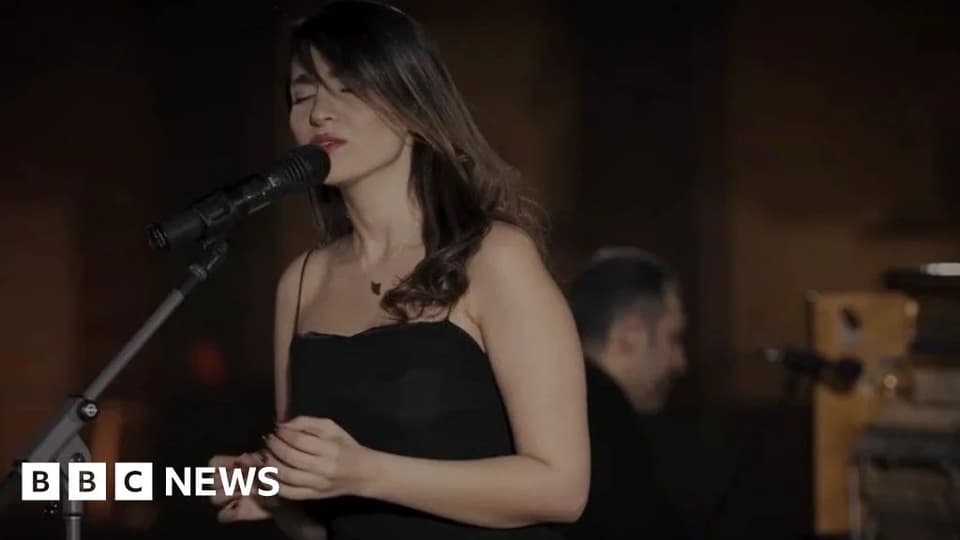
An Iranian appeals court has upheld a sentence of 74 lashes and a two-year ban on audiovisual activities for singer Parastoo Ahmadi and eight associates. The ruling follows her December 2024 livestreamed concert, where she performed without the mandatory hijab. The decision was finalized without a hearing, drawing condemnation from human rights groups and Iranian artists.
Key points
- Branch 16 of the Qom Appeals Court rejected the appeal of Parastoo Ahmadi and eight others, confirming the initial June 2026 ruling from the Qom Criminal Court.
- Ahmadi and her team were sentenced to 74 lashes, a two-year ban on leaving Iran, and a two-year prohibition on audiovisual activities.
- The charges stem from a 27-minute concert livestreamed on YouTube in December 2024 at the Deir Gachin caravanserai, where Ahmadi appeared in a sleeveless dress without a headscarf.
- The court cited violations of public decency and the production of obscene material, despite defense arguments that the performance was artistic and lacked criminal intent.
- The ruling was declared final and enforceable, with the appeals court refusing to hold a hearing, which lawyers described as a deterrent measure.
Background
This case occurs amid ongoing tensions over Iran’s mandatory hijab laws, which have seen widespread public defiance since the 2022 protests following the death of Mahsa Amini. Recent archival reports indicate that while wartime conditions have slowed some enforcement efforts, hardliners continue to push for stricter controls. In January 2024, activist Roya Heshmati was similarly flogged for posting a photo without a hijab, highlighting the regime’s consistent use of corporal punishment to enforce dress codes.
How outlets are covering it
BBC and El Mundo America emphasize the finality of the sentence and the lack of a hearing, noting the harshness of the punishment compared to available fines. Iran International highlights the involvement of eight other individuals, including musicians and production staff, and notes the ruling was reported by Tehran-based media. UA.NEWS focuses on the legal basis, citing Article 638 of the Islamic Penal Code regarding public morality. While all sources agree on the outcome, they differ in emphasis: BBC and El Mundo focus on the human rights implications and artist solidarity, while UA.NEWS contextualizes the ruling within broader crackdowns on media and public decency, including recent cases against actors and race organizers.
Why it matters
The upheld sentence signals the Iranian judiciary’s continued willingness to use severe corporal punishment to enforce cultural and religious norms, despite international condemnation and domestic dissent. It underscores the risks faced by artists and women who challenge state-imposed dress codes, potentially chilling artistic expression and public dissent in the region.
What to watch
The sentence is now enforceable, meaning Ahmadi and her associates face the risk of physical punishment and travel restrictions. Human rights organizations may continue to campaign against the ruling, while the case could serve as a precedent for future prosecutions related to public decency and media content in Iran.
- Iran court upholds flogging sentence for singer who performed without hijab bbc.com
- Iran court upholds 74-lash sentence for singer Parastoo Ahmadi The Jerusalem Post
- Iran court upholds flogging sentences for singer Parastoo Ahmadi, band members Iran International
- Iran confirms the sentence of 74 lashes for singer Parastoo Ahmadi for singing without a veil in a virtual concert El Mundo America
- Iran rejects musician’s appeal against 74 lashes — Jerusalem Post UA.NEWS
Want the full story? Read the original reporting
Read on bbc.com