
Oman Rejects Iran's Strait of Hormuz Toll Proposal Amid US Sanctions Pressure
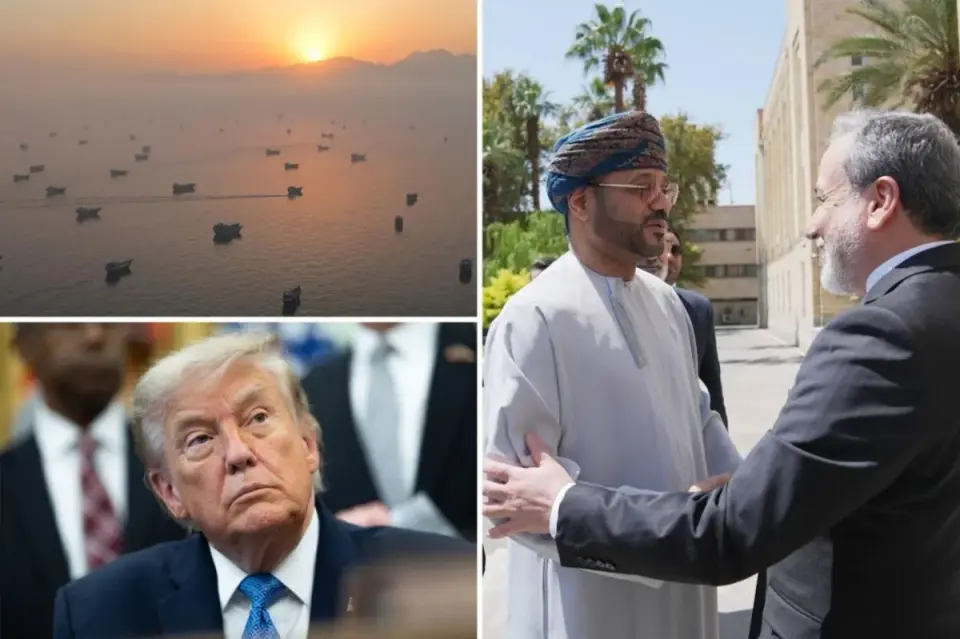
Oman has quietly rejected Iran's proposal to impose joint service fees on commercial ships transiting the Strait of Hormuz, contradicting earlier claims by the Islamic Revolutionary Guard Corps (IRGC) that a deal had been reached. The rejection appears driven by pressure from the United States, which threatened military action against Muscat if it agreed to the tolling scheme. While Tehran framed the agreement as a diplomatic victory, Washington and regional sources indicate the terms were never finalized. This development coincides with intensified US economic sanctions against Iran-linked entities in the UAE and a broader shift in oil markets toward de-escalation, as traders assess the impact of stalled diplomatic talks on global supply risks.
Key points
- Oman declined to consent to charging fees for environmental and security services in the Strait of Hormuz, despite IRGC claims of a finalized revenue-sharing deal.
- US President Donald Trump threatened to bomb Oman if it agreed to de facto tolling of the waterway, influencing Muscat's decision to reject the proposal.
- Iranian Parliament Speaker Ghalibaf cited the agreement as a diplomatic achievement, but US officials stated the terms were not even finalized by Tehran.
- Treasury Secretary Scott Bessent announced new sanctions targeting UAE-based banks linked to Iran, part of 'Operation Economic Outcast' to force peace negotiations.
- Oil prices fell for the week as traders weighed the stalemate in US-Iran talks against the prospect of restored shipping flows through the strait.
Background
This dispute follows months of tension over control of the Strait of Hormuz, a critical chokepoint for 20% of global oil supply. In July 2026, Iran rejected Oman's proposal for 50-50 joint control, instead demanding full oversight of one route. By August, both nations claimed a deal to reopen the strait, but shipping groups protested proposed transit fees. Recent US-Iran military exchanges in early September, including strikes on IRGC targets and Iranian missile retaliation, heightened fears of broader conflict. Oman has historically acted as a mediator in the region, previously brokering a ceasefire between the US and Houthis in May 2025.
How outlets are covering it
The New York Post emphasizes Oman's quiet rejection of the fee proposal, attributing it to pressure from US threats and the lack of finalized terms. It highlights the US strategy of using economic sanctions against UAE-based entities to isolate Iran. Newsquawk frames the situation as Iranian signaling, noting that Parliament Speaker Ghalibaf cited the agreement as a diplomatic win, but cautions that such rhetoric often precedes de-escalation rather than immediate supply changes. CNBC focuses on the market impact, reporting that oil prices fell as traders assessed the stalemate in US-Iran talks and the tentative recovery of shipping flows. It notes that while the US shifted from military to economic pressure, the actual transit of vessels through the strait remains choppy, with volumes below pre-war levels.
Why it matters
The rejection of the Hormuz toll proposal underscores the fragility of regional peace efforts and the US leverage over Gulf states. It highlights the tension between Iran's desire for control over the strait and the US commitment to free navigation. The shift from military threats to economic sanctions, including targeting UAE banking hubs, signals a new phase in the US-Iran conflict. For global markets, the uncertainty over shipping flows and potential sanctions continues to influence oil prices and supply chain risks, with traders monitoring whether diplomatic channels can prevent further escalation.
What to watch
Watch for further US sanctions against Iran-linked entities in the UAE, as Treasury Secretary Bessent's 'Operation Economic Outcast' aims to inflict economic pain to force peace negotiations. Monitor shipping data through the Strait of Hormuz, as vessel transits remain below pre-war levels and any changes could signal a shift in the diplomatic landscape. Track statements from Iranian and Omani officials regarding the status of the revenue-sharing proposal, as well as any further military or economic actions by the US in the region.
- Oman quietly rejects Iran’s pitch for Strait of Hormuz fees — despite IRGC claim of deal New York Post
- Iranian Parliament Speaker Ghalibaf says Iran has made progress through both military power and diplomacy in the Strait of Hormuz, citing an agreement with Oman as a diplomatic achievement, Tasnim reports Newsquawk
- Oil prices fall for the week on U.S.-Iran talks stalemate cnbc.com
- Oil settles lower on clues about Fed policy, rumors of Hormuz deal Reuters
Want the full story? Read the original reporting
Read on New York Post