
Paris Probe Finds No Written Order to Exclude Women During BAPS Visit
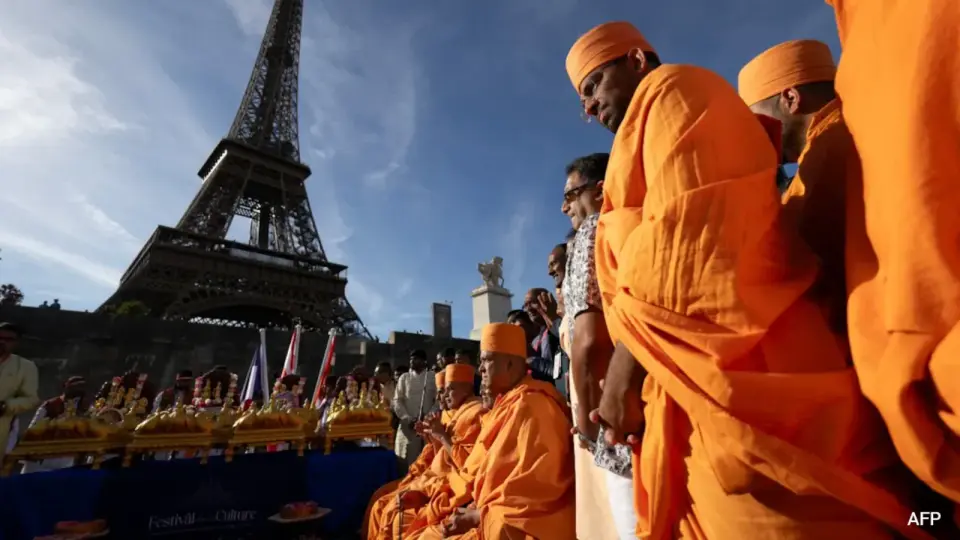
A General Inspectorate probe found no written request from the Hindu group BAPS to exclude female staff during a September 5 visit to the Eiffel Tower. While BAPS denies asking for women to be removed, SETE acknowledged accepting conditions to limit interactions with women. The incident led to a staff strike, the closure of the landmark, and the resignation of SETE director Patrick Branco Ruivo.
Key points
- The General Inspectorate of Public Safety concluded that decisions to sideline female staff were made 'between consenting adults' without any explicit written request from the BAPS delegation.
- SETE, the operating company, admitted that management accepted conditions to limit interactions with women, calling the resulting exclusion of female staff 'unacceptable.'
- Patrick Branco Ruivo, the director general of SETE, will resign at the end of 2026 following an internal inquiry that cited 'operational flaws and shortcomings.'
- The controversy triggered a one-day staff strike and the closure of the Eiffel Tower on September 7, prompting political outrage across France regarding secularism and gender equality.
- BAPS stated that its monks' religious practices are personal commitments and that they never requested the removal or exclusion of women from the visit.
Background
The incident occurred during a private visit by approximately 100 BAPS monks on September 5, 2026, ahead of the consecration of a new Hindu temple in the Paris region. The visit sparked immediate backlash, leading to a staff walkout and the temporary closure of the Eiffel Tower. Previous coverage highlighted the tension between French secular values and religious accommodations, with SETE apologizing for accepting the conditions and BAPS apologizing for any hurt caused.
How outlets are covering it
Outlets present conflicting accounts of the request's nature. NDTV and The New York Times report that while BAPS denies asking for women to be removed, SETE acknowledged accepting conditions to limit interactions with women. The Conversation argues that the issue stems from a disconnect between BAPS's monastic practice of 'brahmacharya' (celibacy and avoiding contact with the opposite gender) and SETE's overzealous compliance, suggesting the request was for an early morning visit to minimize crowds rather than explicit exclusion. CNN and NDTV emphasize the operational failure and the resignation of SETE's chief, while BAPS maintains that its practices do not require the exclusion of women from public spaces.
Why it matters
The incident highlights the ongoing tension in France between secularism (laïcité) and religious accommodations in public spaces. It raises questions about how public institutions handle requests that may conflict with gender equality principles and the potential for miscommunication between religious groups and secular management. The resignation of the Eiffel Tower's chief underscores the severity of the reputational and operational damage caused by the perceived discrimination.
What to watch
Patrick Branco Ruivo is expected to step down at the end of 2026. SETE chair Ariel Weil has ordered the implementation of gender equality training and a dedicated protocol department to prevent similar incidents. The General Inspectorate's findings may lead to further scrutiny of how public institutions handle religious requests in the future.
- Hindu Group BAPS Didn't Ask For Eiffel Women Employees To Be Removed: Probe NDTV
- Eiffel Tower Chief Resigns After Female Staff Moved for Hindu Group’s Visit The New York Times
- Head of Eiffel Tower to resign after controversial order to female staff thehill.com
- What the Eiffel Tower controversy reveals about a Hindu monastic practice – known as ‘brahmacharya’ The Conversation
- Eiffel Tower chief to step down after exclusion of female staff during Hindu delegation visit CNN
Want the full story? Read the original reporting
Read on NDTV