
Ukraine’s Maritime Strikes on Russian Ships in Baltic and Mediterranean Spark NATO Anxiety
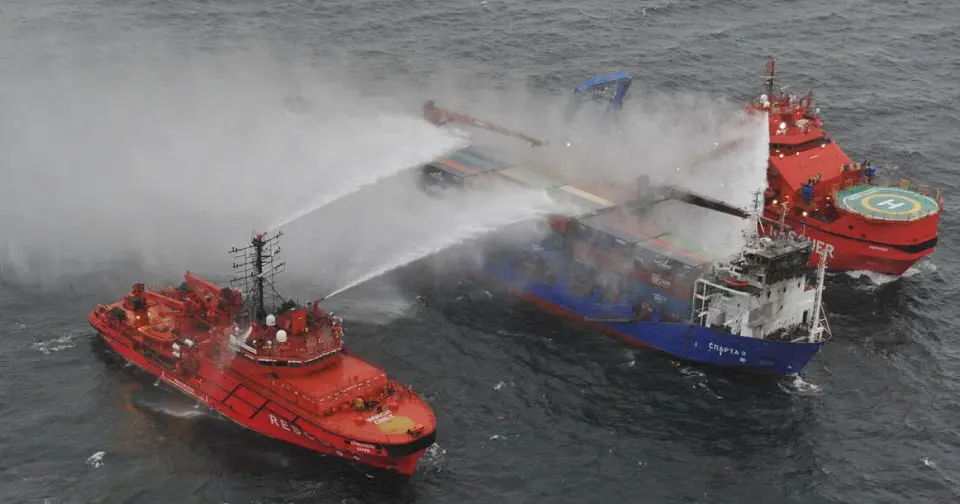
Ukraine has expanded its naval drone operations into the Baltic and Mediterranean, sinking or damaging Russian vessels near NATO borders and in Libya. While Kyiv frames these as defensive countermeasures against Russian aggression, several NATO allies, including Poland, Norway, and Italy, have expressed concern over the war’s geographic spread and potential for unintended escalation.
Key points
- Ukrainian President Volodymyr Zelenskyy confirmed Kyiv used naval drones to attack the Russian cargo ship Sparta II in the Gulf of Finland and sank the corvette Merkury off Libya.
- Polish authorities accused Russia of deliberately violating their airspace with a surveillance drone, following recent missile strikes on Polish soil.
- Estonia announced it would close its land border with Russia starting December 1, citing Russian sabotage plots against domestic defense firms.
- Libyan officials from both rival political factions condemned the strikes, fearing they could derail the country’s fragile reunification process.
- Former U.S. Army commander Ben Hodges argued Ukraine’s actions are legitimate efforts to disrupt Russian logistics and shadow fleet operations.
Background
This escalation follows a pattern of maritime incidents in the Black Sea, including drone strikes on merchant vessels off Bulgaria’s coast in October 2026. The current events occur amid stalled diplomatic efforts, including a trilateral meeting in Shenzhen involving the U.S., China, and Russia, which yielded little progress. The conflict has gradually expanded from Ukrainian territory to Russian soil and now into NATO-adjacent waters and North Africa.
How outlets are covering it
CBS News highlights the anxiety among NATO nations like Poland, Norway, and Italy regarding the war’s spread into their near areas, while noting Ukrainian claims of defensive necessity. CNN emphasizes the broader strategic implications, arguing that the widening theater of conflict and divergent realities between Moscow and Kyiv hinder diplomacy, and suggests U.S. political shifts may impact support for Ukraine. Al Jazeera focuses on the regional impact in Libya, noting that while the strikes may not derail the political reconciliation process, they risk provoking retaliation from both Russia and local factions, potentially destabilizing the region further.
Why it matters
The expansion of the conflict into NATO-adjacent waters and North Africa increases the risk of direct confrontation between Russia and Western allies. It complicates diplomatic efforts and threatens to destabilize fragile peace processes in third-party countries like Libya, potentially drawing the war into new, unpredictable theaters.
What to watch
NATO members are likely to increase security measures along their eastern flanks. Diplomatic tensions may rise as Russia accuses NATO states of provocation, while Ukraine continues its maritime operations. In Libya, both rival factions may pressure Ukraine to limit its presence, potentially leading to a reduction in Ukrainian cooperation with the Government of National Unity.
- As Ukraine sinks Russian ships, some NATO nations voice anxiety over war's spread to new regions CBS News
- Ukraine’s Attack Off Coast of Libya Shows Reach of Its Naval Drones The New York Times
- The Ukraine-Russia war is seeping out across Europe and there are two reasons it will get worse CNN
- Ukraine says attack on Russian ships in Libya was self-defence Reuters
- Could Russia-Ukraine war threaten Libya’s fragile reunification process? Al Jazeera
Want the full story? Read the original reporting
Read on CBS News