
Rare Kill Order Issued After Fatal Shark Attack on Western Australian Swimmer
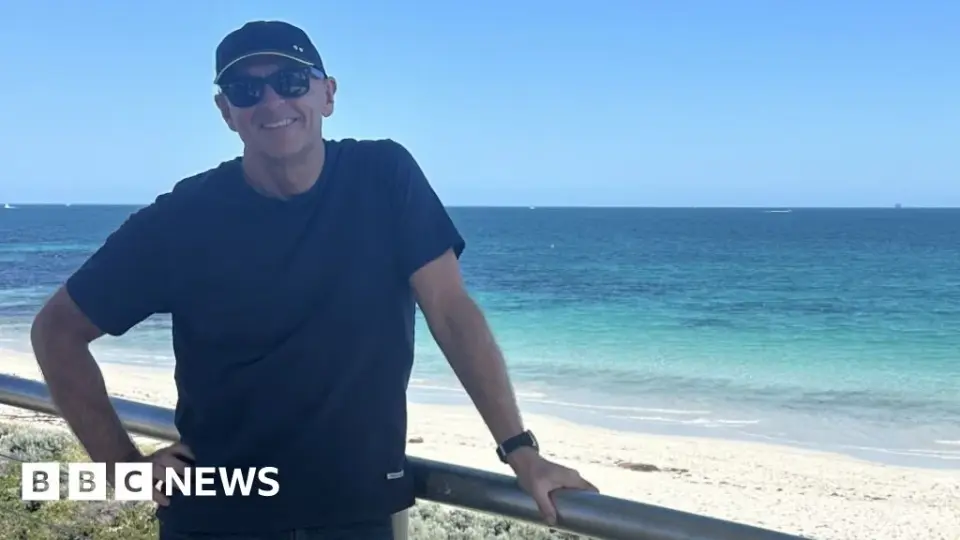
A 63-year-old man was killed by a great white shark at Sorrento Beach in Western Australia, prompting authorities to issue a rare catch-and-kill order. The victim, identified as Greg O'Neill, was attacked in front of witnesses, and beaches remain closed as police search for the shark and the body.
Key points
- Greg O'Neill, 63, was killed by a great white shark at Sorrento Beach in Perth's northern suburbs on Friday.
- Western Australia's fisheries minister issued a rare catch-and-kill order after the shark was positively identified by water police.
- Beaches across the Joondalup area remain closed as authorities search for the shark and O'Neill's body.
- This is the third fatal shark attack in Western Australia this year and the second in the current week.
- Authorities are considering increased use of drones and shark tagging to improve beach safety.
Background
Australia has experienced five fatal shark attacks this year, including incidents in Sydney and Queensland. Western Australia has a history of controversial shark culls, most notably in 2014, but current mitigation strategies focus on tagging, tracking, and deterrents rather than widespread killing.
How outlets are covering it
BBC and ABC News emphasize the rarity of the catch-and-kill order, noting it is the first in a decade in Western Australia. CBS News highlights the horror of the attack, with witnesses describing a 'pool of blood' and the victim being 'mauled to pieces.' ABC News also notes that the fisheries minister explicitly rejected a widespread cull, stating it was 'not appropriate' given that great white sharks are a protected species. All sources agree that the incident has reignited debate over beach safety measures, with locals calling for more drones and patrols.
Why it matters
The incident underscores the ongoing tension between public safety and conservation in Australia, where shark attacks have become more frequent due to population growth and increased water activities. The rare kill order and subsequent beach closures highlight the immediate impact of such incidents on local communities and the complex decision-making involved in managing wildlife hazards.
What to watch
Authorities will continue searching for the shark and O'Neill's body. The government is reviewing its shark mitigation strategy, potentially increasing drone patrols and shark tagging. Beaches are expected to reopen by Sunday, but safety measures may be enhanced in the coming weeks.
- Perth shark attack: Rare kill order issued as victim identified as Greg O'Neill BBC
- Swimmer killed in shark attack in front of horrified beachgoers in Australia: "I could see a pool of blood" CBS News
- Swimmer killed in shark attack off popular Western Australia beach FOX Weather
- Greg O'Neill identified as fatal shark attack victim at Perth's Sorrento Beach ABC News & Headlines – Australian Broadcasting Corporation
- 'Like a scene off Jaws.' Shark kills swimmer at busy beach Yahoo
Want the full story? Read the original reporting
Read on BBC