Shark Attack Claims Diver Off Rottnest Island, WA
A diver was fatally mauled by a shark near Rottnest Island off Western Australia, authorities said.
All articles tagged with #western australia

A diver was fatally mauled by a shark near Rottnest Island off Western Australia, authorities said.

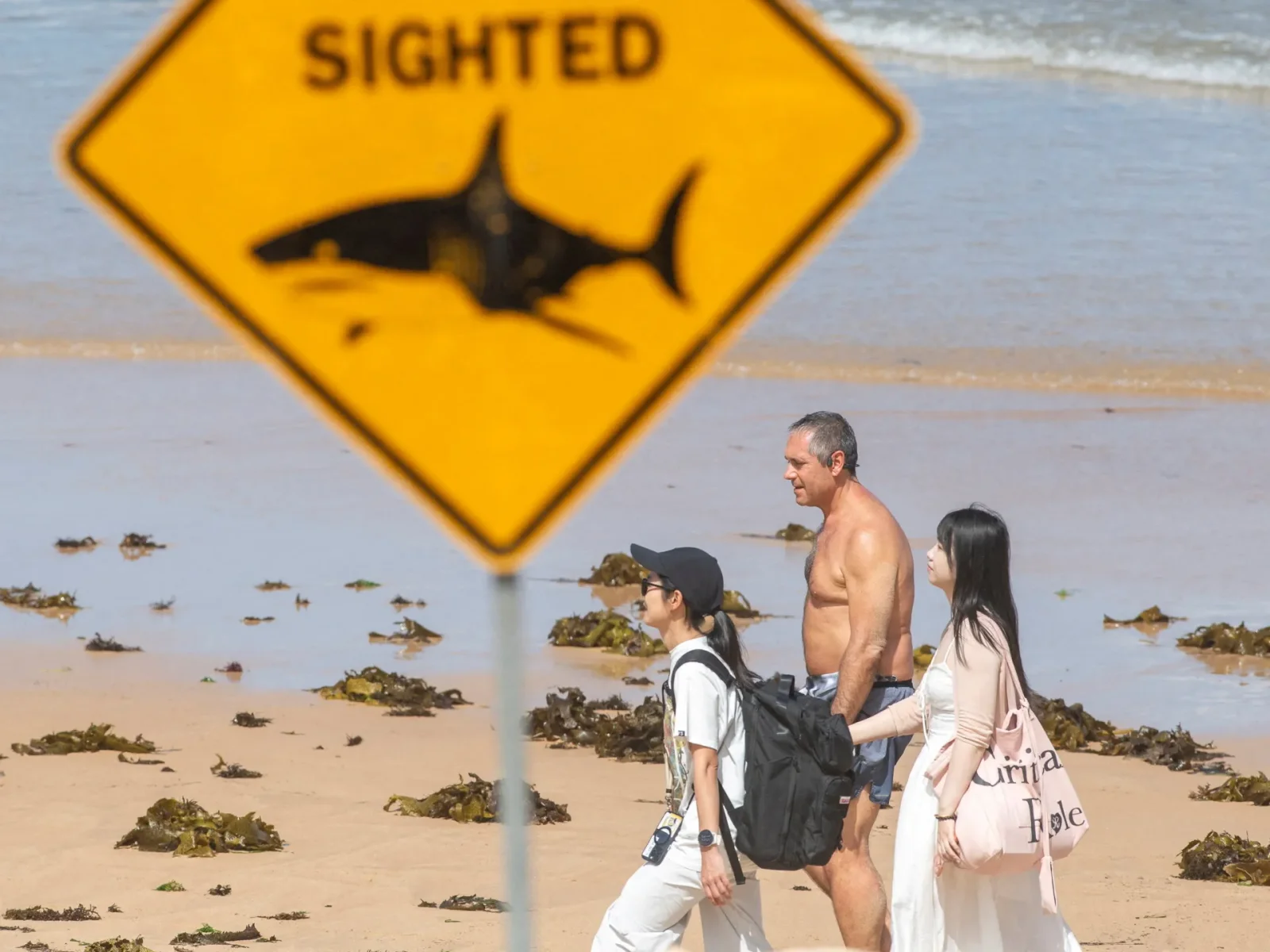
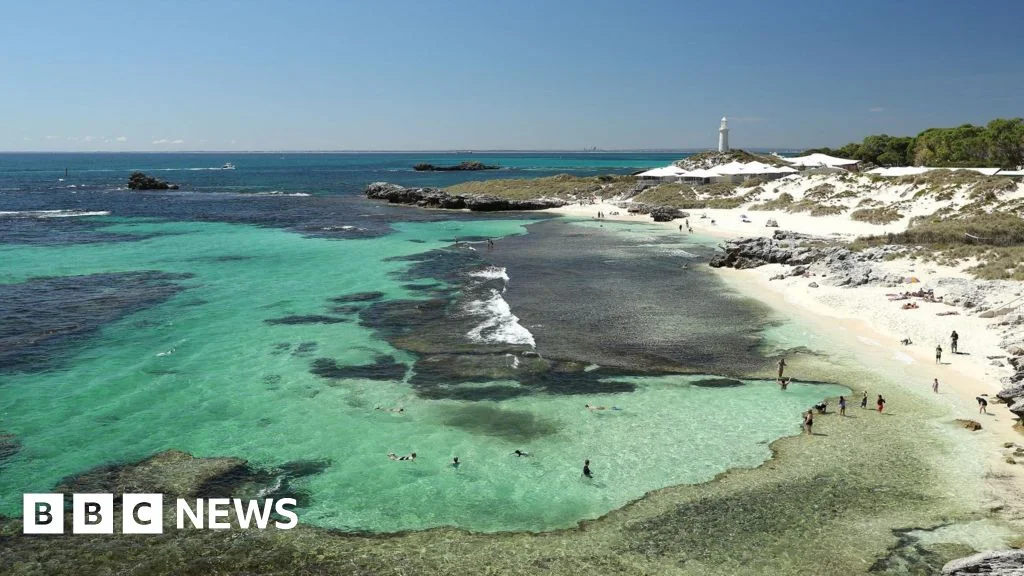
A 38-year-old man died after a four-metre great white attacked him at Horseshoe Reef near Rottnest Island, off Perth. He was transported by boat to Geordie Bay Jetty where CPR was performed but he died at the scene. The incident is Western Australia’s first fatal shark attack since March, while recent eastern coast attacks have prompted beach closures; globally, shark encounters are most common on Australia’s east and southeast coasts, averaging about 20 incidents annually.

A 38-year-old man was killed by a 4-meter great white shark off Horseshoe Reef near Rottnest Island in Western Australia. Rescuers rushed him to shore and CPR was attempted, but he did not survive. Authorities urged caution in WA waters. This is the first fatal WA shark attack since March last year, set against Australia’s long history of shark incidents (about 1,300 attacks since 1791, with over 260 deaths).

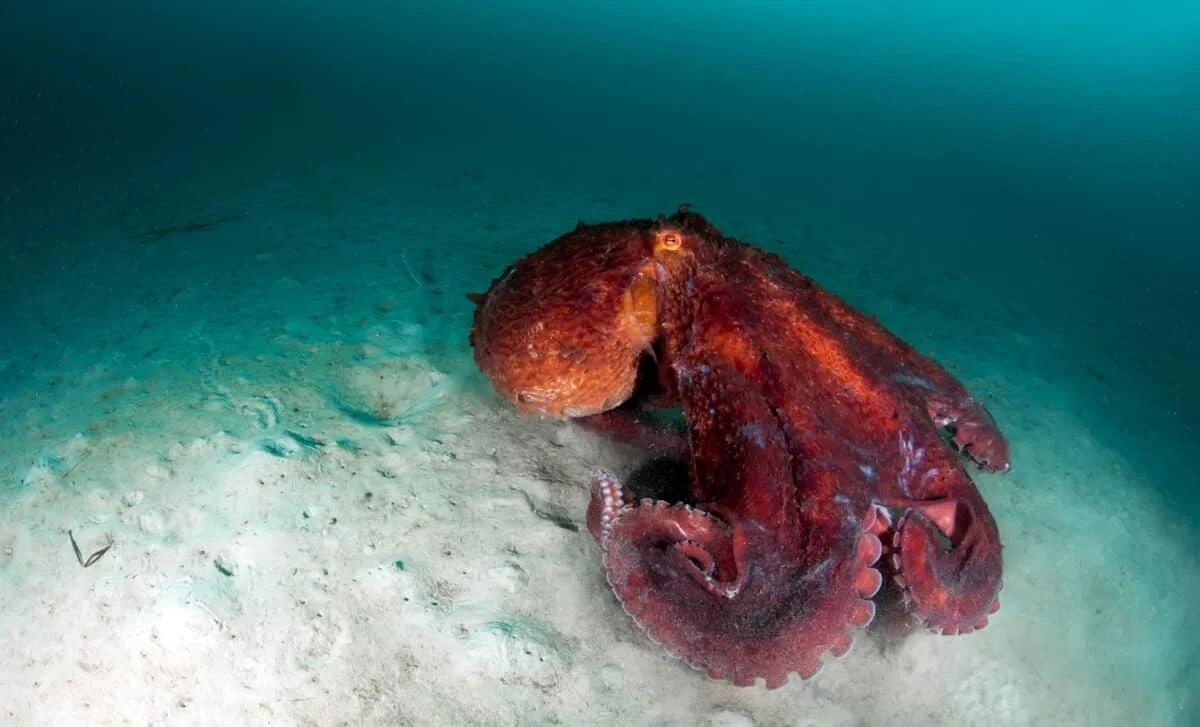
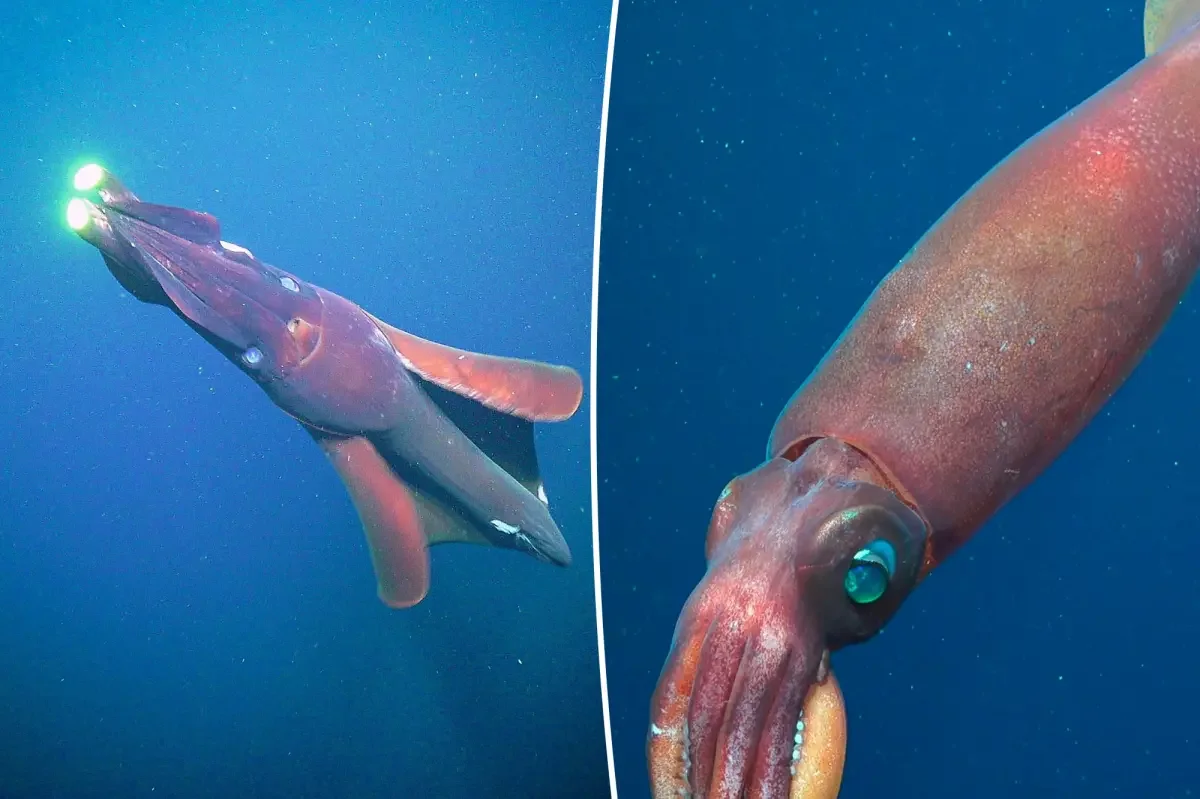
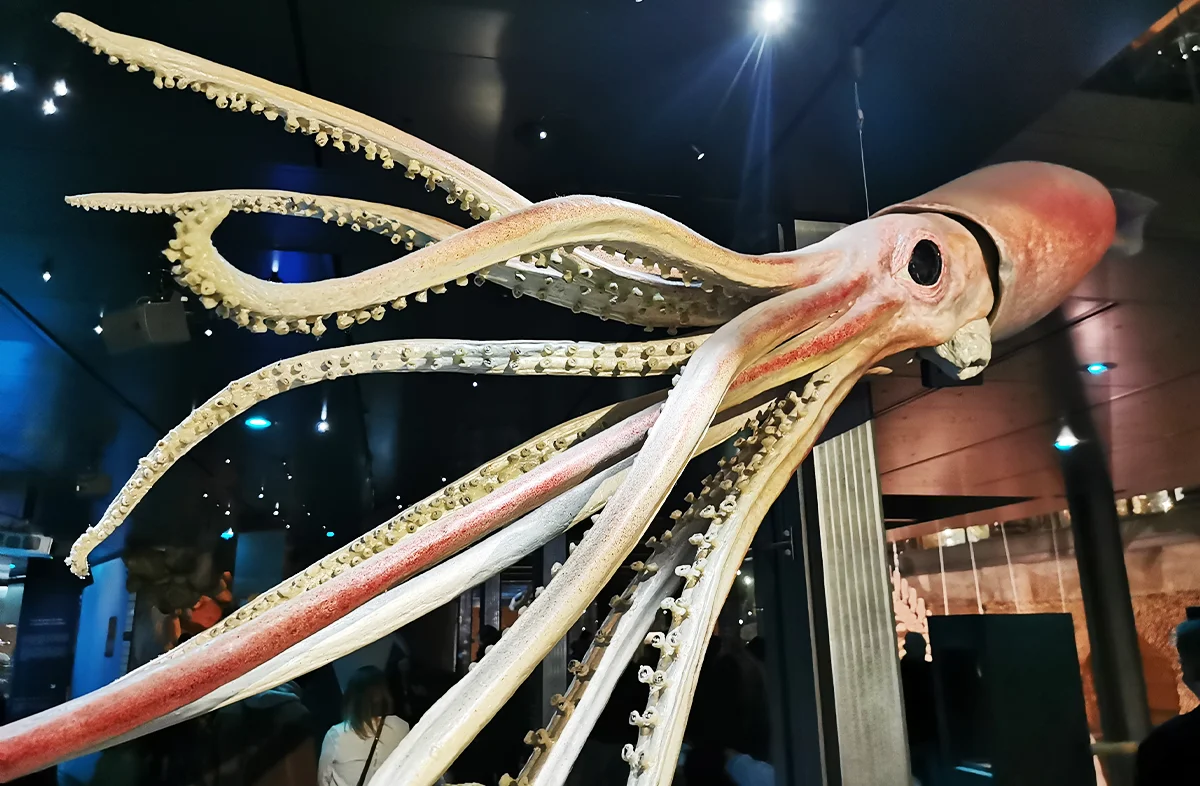
Researchers aboard the R/V Falkor used environmental DNA (eDNA) to sample Cape Range and Cloates submarine canyons off Western Australia, detecting Architeuthis dux DNA and identifying 226 species across 11 groups at depths over 4 kilometers—many DNA signals don’t match known species—revealing vast, previously hidden deep-sea biodiversity.

Australian researchers detected environmental DNA traces of a giant squid in deep-water canyons off Western Australia, marking the first such record there in more than 25 years and underscoring rich, largely unexplored deep-sea biodiversity.

Using environmental DNA from 1,700 liters of seawater off Western Australia, researchers detected 226 species and the giant squid Architeuthis dux—the first WA eDNA record and northernmost in the eastern Indian Ocean—along with many DNA sequences not matching known species, highlighting vast, still-hidden deep-sea biodiversity.

Australian researchers used environmental DNA from seawater to survey deep-sea canyons off Western Australia, revealing 226 species including the first WA-record of a giant squid via eDNA and indications of potentially new species, underscoring the value of non-invasive methods for mapping biodiversity in extreme depths and informing conservation as deep-sea ecosystems face climate change, fishing, and resource pressures.

In Western Australia, 13-year-old Austin Appelbee swam about 4 km through rough seas to reach shore and call emergency services after his mother and younger siblings were swept out to sea. The family drifted roughly 14 km offshore before being found; Austin later sprinted 2 km to reach a phone. All were rescued with minor injuries and are recovering.

Netflix has ordered Breakers, a new series starring and executive produced by Antony Starr (The Boys). From writer Pete Jackson and Clerkenwell Films, the Western Australia–shot drama follows two American friends who become entangled in a charismatic surfer community led by Starr’s Brando. Production runs in WA through June 2026, with Mary Nighy and Ng Choon Ping directing and Clerkenwell producing with BBC Studios Australia. Breakers marks Netflix’s first WA-shot series and adds to Starr’s TV slate as he also stars in the upcoming final season of The Boys.

Extreme weather events including bushfires and heatwaves are impacting Australia, Brazil, and California, with record-breaking temperatures, power outages, and unusual fog conditions, while Storm Emilia brings heavy rain and snow to the Canary Islands, indicating widespread climate-related disruptions.

Australian humpback dolphins are observed wearing sea sponge hats as a courtship display to attract females, a behavior unique to certain regions in Western Australia, highlighting intriguing animal mating rituals.

Police in Western Australia are searching for 26-year-old German woman Carolina Wilga, who went missing after last being seen in Beacon; her van was found abandoned with mechanical issues near Karroun Hill, prompting a large-scale investigation into her whereabouts.

Sperm whales off the southern coast of Western Australia were observed using a unique defense tactic against hunting orcas by releasing a large cloud of watery, squid-filled feces, which is known as emergency or defensive defection. This tactic, believed to deter predators, was mistaken for blood at first due to the whales' squid-rich diet. While it may have been partially successful, the orcas were later seen with what appeared to be stolen chunks of giant squid, indicating that the defense mechanism may not have completely thwarted the hunting party.

A group of sperm whales in Western Australia's Bremer Canyon defended themselves against a pod of at least 30 killer whales by forming a defensive rosette and unleashing a 'poonado' of diarrhoea, which successfully deterred the orcas. Marine biologists witnessed the extraordinary defense strategy, noting that the orcas abruptly retreated after being hit by the sperm whales' defensive defecation. This incident sheds light on the complex interactions and defensive tactics of marine creatures in the food chain.

Sperm whales off the coast of Western Australia were observed using a unique defense mechanism against a group of killer whales by releasing a large cloud of reddish-colored poop, known as "defense defecation." This strategy helped the sperm whale pod escape a potentially fatal attack by at least 30 killer whales, as the cloud of diarrhea confused and deterred the attackers. Marine biologists witnessed this rarely seen behavior during a whale-watching excursion in the Bremer Canyon.