
Suspect in 2017 Putney Bridge Bus Push Found Dead in London
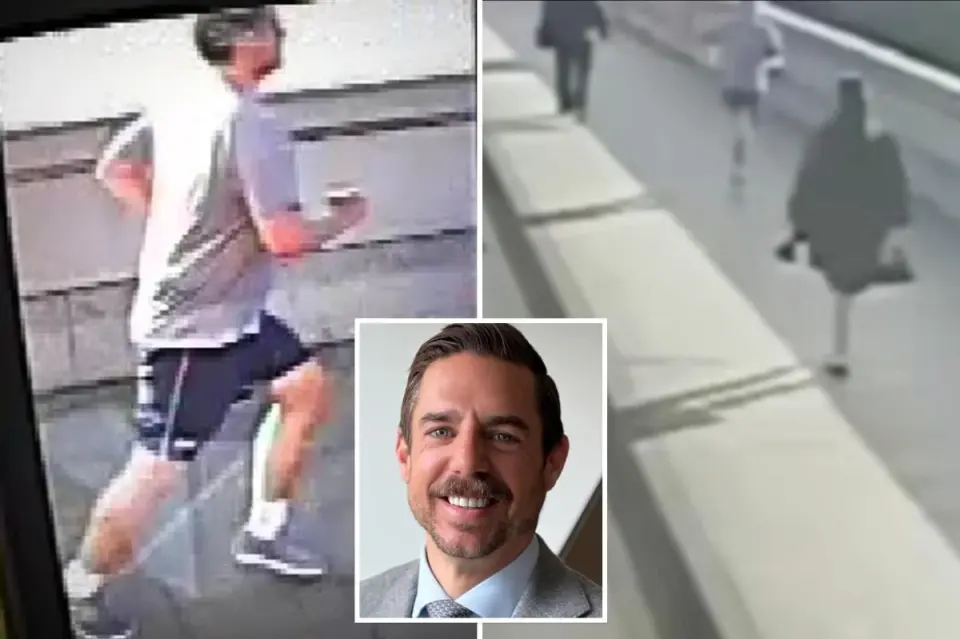
Nicholas Brandram, the primary suspect in the 2017 Putney Bridge incident where a jogger shoved a woman into the path of a bus, was found dead at his home in Chiswick, London, on September 15. Police stated the death is unexpected but not suspicious. Brandram, a former banker and military officer with royal connections, had been arrested in June 2026 on suspicion of attempted grievous bodily harm and released under investigation. The original incident, which occurred on May 5, 2017, remained unsolved for nearly a decade before his identification.
Key points
- Nicholas Brandram, 44, was found unresponsive at his Chiswick home on September 15, 2026, and pronounced dead at the scene.
- Metropolitan Police classified the death as 'unexpected' but not suspicious; a file will be prepared for the coroner.
- Brandram was arrested in June 2026 on suspicion of attempted grievous bodily harm related to the 2017 incident and released under investigation in September 2026.
- The original incident occurred on May 5, 2017, when a jogger pushed a pedestrian into the path of a double-decker bus on Putney Bridge; the victim survived with minor injuries due to the driver's quick reaction.
- Brandram was a former HSBC private bank manager and British Army captain, with distant ties to European royalty, including Queen Victoria and Prince Philip.
Background
The Putney Pusher case became a high-profile cold case in the UK after CCTV footage of the 2017 incident went viral. Police initially closed the investigation in 2018 after three arrests without charge. Brandram’s identification in 2026 marked a significant development in the nearly decade-long manhunt. His background as a decorated military officer and banker, along with his royal connections, added layers of intrigue to the case. The archive notes that Brandram had been released under investigation just weeks before his death, indicating ongoing police scrutiny at the time of his passing.
How outlets are covering it
The New York Post emphasized Brandram’s royal connections and his status as a millionaire banker, highlighting the contrast between his privileged background and the violent nature of the alleged crime. The BBC focused on the procedural aspects, noting his recent release under investigation and the police statement that the death was not suspicious. LBC.co.uk provided additional details on the drug charges, mentioning that Brandram was also arrested for possession of Class A and Class B drugs during his June 2026 detention. All sources agreed on the basic facts of his death and the non-suspicious nature of the incident, but differed in emphasis on his personal background and legal status.
Why it matters
The death of Nicholas Brandram closes a chapter in one of the UK’s most notorious cold cases, but it does not resolve the legal questions surrounding the 2017 incident. His death may prevent a formal trial, leaving the case unresolved in a court of law. The incident also highlights the challenges in solving crimes that occur in public spaces with limited immediate evidence. Brandram’s royal connections and privileged background may influence public perception of the case, potentially raising questions about justice and accountability for individuals with significant social standing.
What to watch
The Metropolitan Police will prepare a file for the coroner to determine the cause of death. There is no indication that the investigation into the 2017 Putney Bridge incident will be formally closed, but Brandram’s death may limit further legal action. Public interest in the case may persist, particularly given the unresolved nature of the original crime and the lack of a formal trial. The victim, who has never been publicly identified, may seek closure through other means, though the legal process is now complicated by the suspect’s death.
- Royals-linked London banker accused of being UK's notorious 'Putney Pusher' is found dead New York Post
- 'Putney pusher' suspect found dead at home BBC
- Nicholas Brandram, suspected Putney pusher, found dead at home The Times
- Banker with links to royal family arrested in 'Putney Pusher' investigation found dead at London home lbc.co.uk
- Suspect in 'Putney pusher' case found dead at his home, Sky News understands Sky News
Want the full story? Read the original reporting
Read on New York Post