
Serbian Student Movement Secures Parliamentary Majority, Ending Vučić's 14-Year Rule
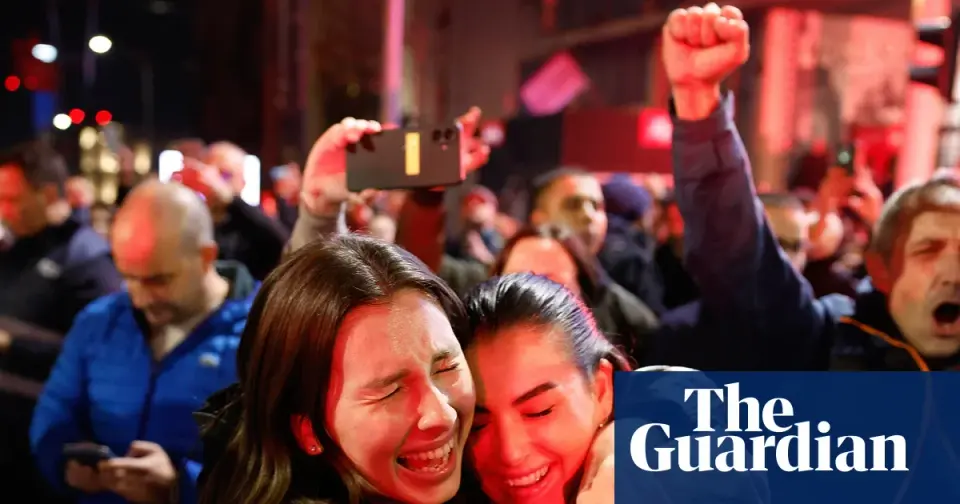
Serbian voters ousted authoritarian leader Aleksandar Vučić in a historic election, electing a student-led movement that won 140 of 250 parliamentary seats. The victory, driven by record turnout and years of protests against corruption and repression, marks a potential democratic resurgence in the Balkans and reopens Serbia's stalled path toward European Union membership.
Key points
- The student-backed 'Students' List won 140 of 250 seats in the October 25, 2026, parliamentary election, securing a comfortable majority to govern.
- The election featured the highest voter turnout since 1992, with over 50% of the population participating, signaling a massive rejection of Vučić's 14-year rule.
- The movement, which lacks a formal hierarchy or single leader, was formed after a deadly 2024 roof collapse at Novi Sad's railway station sparked widespread, near-daily protests.
- Protesters faced severe state repression, including police batons, tear gas, illegal surveillance, and job losses, before eventually organizing a 13-day bicycle trek to Strasbourg to seek international support.
- The new administration's 11-point plan focuses on 'social and psychological detoxification,' judicial reform, media freedom, and combating corruption, with no promise of immediate EU membership but a pledge to put the question to a referendum.
- European Union officials, including Commission chief Ursula von der Leyen and enlargement commissioner Marta Kos, expressed optimism, stating the 'door to the EU is open' and offering support for democratic reforms.
Background
This election follows a period of intense civil unrest in Serbia, beginning in 2024 after a fatal collapse at the Novi Sad railway station. The student movement, which previously organized a 1,300km bicycle journey to Strasbourg to highlight democratic erosion, has now transitioned from protest to governance. This shift contrasts with the stalled EU accession process under Vučić, who had tightened control over media and institutions for over a decade. The result mirrors broader European trends of youth-led political disruption, as seen in protests across cities like Paris and Madrid, reflecting a generational rejection of the existing social contract.
Why it matters
The outcome represents a potential model for democratic resistance against authoritarianism in Europe, demonstrating how grassroots movements can overcome entrenched political machines. It reopens the prospect of Serbia's integration into the EU, which had stalled under Vučić's rule, and may influence political dynamics in neighboring countries like Hungary. The success of a leaderless, student-driven coalition challenges traditional political structures and offers a template for youth-led governance in the region.
What to watch
The new government must navigate the complex task of governing without a formal hierarchy, focusing on institutional reform and corruption eradication. They will likely engage in negotiations with the EU regarding the pace and terms of accession, while facing the challenge of implementing their 11-point plan in a state that Vučić had heavily politicized. The movement's ability to maintain unity and deliver tangible results will determine the long-term stability of this democratic shift.
- In Serbia, a new type of democracy is taking hold, and Europe is watching closely The Guardian
- ‘Swift justice’: Student List supporters focus on cleaning up Serbia’s rotten institutions The Guardian
- After Vucic ouster, Serbia’s weapons-buying habits are under the microscope Defense News
- Serbia’s students found a new way to topple a strongman The Economist
- The banker, the basketball star, the cardiologist and the chemist: meet Serbia's potential new leaders Reuters
Want the full story? Read the original reporting
Read on The Guardian