
UAE Halts All Trade with Iran Over Missile Incident, Deepening Economic Squeeze
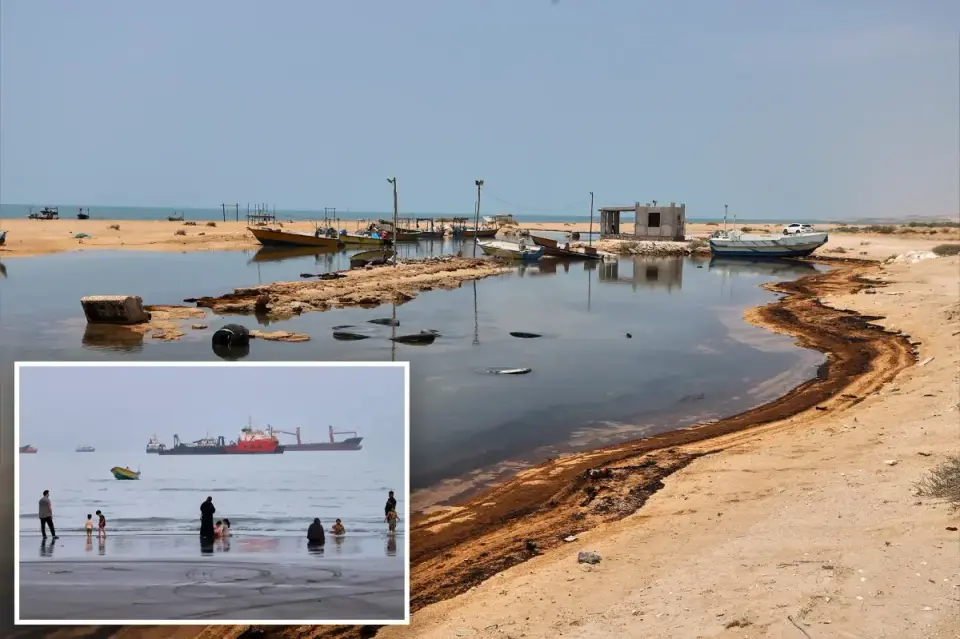
The United Arab Emirates has suspended all trade and financial transactions with Iran indefinitely, citing two ballistic missiles fired toward its territory. While Tehran denies the attack, labeling it a 'false flag' operation, the move cuts off a critical re-export hub for Iran. This embargo coincides with new US economic pressure and a stalled peace process, further isolating Tehran amid ongoing regional conflict.
Key points
- UAE Foreign Ministry announced an indefinite halt to all trade, commercial exchanges, and financial transactions with Iran on August 19, 2026.
- The decision followed the UAE’s claim that Iran launched two ballistic missiles toward its territory on August 18, with one landing in UAE territorial waters.
- Iran’s Foreign Ministry denied the accusation, describing the incident as a 'false flag operation' by the US and Israel.
- The UAE previously supplied over 30% of Iran’s imports, valued at $21 billion, serving as a key conduit for bypassing international sanctions.
- US President Donald Trump announced a new 'crushing economic operation' against Iran, threatening consequences for any nation aiding Tehran.
- Analysts warn the embargo could cause 'substantial damage' to the UAE economy, which relies on regional stability and trade flows.
Background
This escalation follows a period of heightened tensions in the Gulf, including earlier missile incidents and a collapsed memorandum of understanding between the US and Iran in June. The UAE had previously suspended direct cargo shipping in March but resumed trade in June via Dubai’s Jebel Ali Port. The current embargo represents a significant shift from diplomatic engagement to economic isolation, occurring as US-Iran peace talks have stalled and the Strait of Hormuz remains a point of contention.
How outlets are covering it
The New York Post emphasizes the punitive nature of the UAE’s move, highlighting the economic isolation of Iran and the potential damage to the UAE’s own economy as a regional hub. Al Jazeera focuses on the strategic significance of the embargo, noting that the UAE’s role as a re-export hub makes the cut-off more impactful than US sanctions alone, and frames the missile incident as a potential 'act of war' in the eyes of Tehran. CNN provides broader context on the US response, detailing Trump’s announcement of new economic measures and the stalled peace talks, while also noting the humanitarian and military costs of the ongoing conflict, including over 750 US service members wounded.
Why it matters
The UAE’s trade embargo removes a critical lifeline for Iran’s economy, which has been under severe pressure from US sanctions and a naval blockade. This move could accelerate economic contraction and inflation in Iran, potentially destabilizing the region further. For the UAE, it risks damaging its status as a neutral trade hub and could have long-term economic repercussions. The incident also signals a shift in the US-Iran conflict, with economic warfare becoming a primary tool alongside military action, and raises questions about the viability of diplomatic resolutions.
What to watch
The UAE has stated it remains committed to 'dialogue, cooperation, and regional integration' despite the embargo, but the indefinite nature of the suspension suggests no immediate resolution. The US is expected to implement new economic measures, potentially including sanctions on third-party countries that aid Iran. The situation in the Strait of Hormuz remains tense, with Iran continuing to disrupt shipping and the US maintaining a naval blockade. Peace talks between the US and Iran are currently stalled, with no clear path to resumption.
- UAE suspends all trade with Iran 'until further notice' after accusing Tehran of firing ballistic missiles toward country New York Post
- Trump’s Plan to Squeeze Iran’s Economy Will Live or Die in Dubai WSJ
- UAE trade embargo could shut Iran’s key economic escape route: Here’s why Al Jazeera
- What to Know About Iran’s Economic Ties With Gulf Countries The New York Times
- August 19, 2026 — UAE suspends all trade and financial transactions with Iran CNN
Want the full story? Read the original reporting
Read on New York Post