
Ukraine's Operation Vivaldi: Unmanned Ground Vehicles Breach Russian Lines, Capture 250 Troops
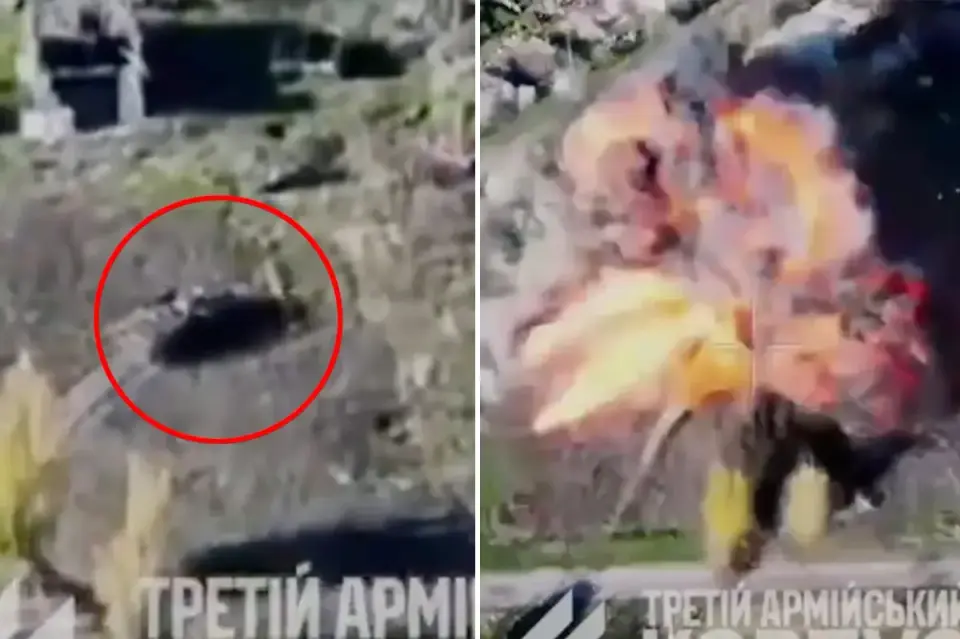
Ukraine's Third Army Corps utilized modified Soviet-era armored vehicles and autonomous ground robots to breach Russian defenses during Operation Vivaldi. The offensive captured over 250 Russian soldiers and reclaimed nearly 68 square miles of territory in northern Donetsk, marking a significant shift toward autonomous warfare.
Key points
- Operation Vivaldi liberated Nove, Ridkodub, and Katerynivka, regaining control of Karpivka and Novomykhailivka.
- Ukrainian forces deployed modified BTR-60 armored vehicles as remote strike platforms to breach fortified Russian positions.
- The operation resulted in the capture of over 250 Russian soldiers, including officers and pilots, with an estimated 2,000 casualties.
- Unmanned ground vehicles (UGVs) cleared minefields over 18 miles of routes, replacing the need for two sapper companies.
- The offensive has reclaimed approximately 68 square miles of territory, contributing to a total of 176 square kilometers recovered since May 2026.
Background
This operation follows a broader trend of Ukraine integrating autonomous systems into its military strategy. Previous reports indicated that over 100 Russian soldiers had surrendered to drones in earlier engagements, and the conflict has seen a significant rise in Russian casualties, with confirmed deaths exceeding 258,000. The current operation builds on earlier phases of Vivaldi, which had already reclaimed 51 square kilometers and 250 troops in its third phase.
How outlets are covering it
The New York Post emphasizes the use of 'zombie cars' (modified BTR-60s) as a key factor in the capture of 250 soldiers, highlighting the innovation in mechanized forces. Business Insider focuses on the tactical use of UGVs for mine clearance and the preference for nighttime operations to avoid Russian drone detection. The Jerusalem Post highlights the broader strategic shift toward an 'Army of Robots,' noting the rapid expansion of UGV usage from 67 to 167 units by spring 2026. Ars Technica details the 'world-first' airborne assault where heavy drones dropped explosive ground robots behind Russian lines, emphasizing the technological leap in autonomous warfare.
Why it matters
The success of Operation Vivaldi demonstrates Ukraine's ability to leverage autonomous technology to overcome manpower disadvantages and breach heavily fortified Russian positions. The capture of 250 soldiers and the reclamation of significant territory signal a potential shift in the war's dynamics, with Ukraine increasingly relying on robots to reduce human casualties and disrupt Russian logistics.
What to watch
Ukraine plans to exchange the captured Russian soldiers for Ukrainian prisoners of war. The Third Army Corps will continue to expand the use of UGVs and autonomous systems in future operations, while Russia is expected to adapt its tactics in response to the growing threat of autonomous warfare.
- Ukraine rolls out kamikaze ‘zombie cars’ to blow up Russian defenses and capture 250 soldiers New York Post
- Ukraine’s innovative robot offensive just reversed a year of Russian gains Atlantic Council
- A Ukrainian commander tells us why troops attack in the day and roll out their war 'robots' at night Business Insider
- Former Ukrainian defense minister unveils 'Army of Robots' to accelerate autonomous warfare The Jerusalem Post
- Robots make combat airdrops, clear mines as Ukraine defeats Russian pincer Ars Technica
Want the full story? Read the original reporting
Read on New York Post