
AfD’s Saxony-Anhalt Victory Sparks German Crisis and US Approval
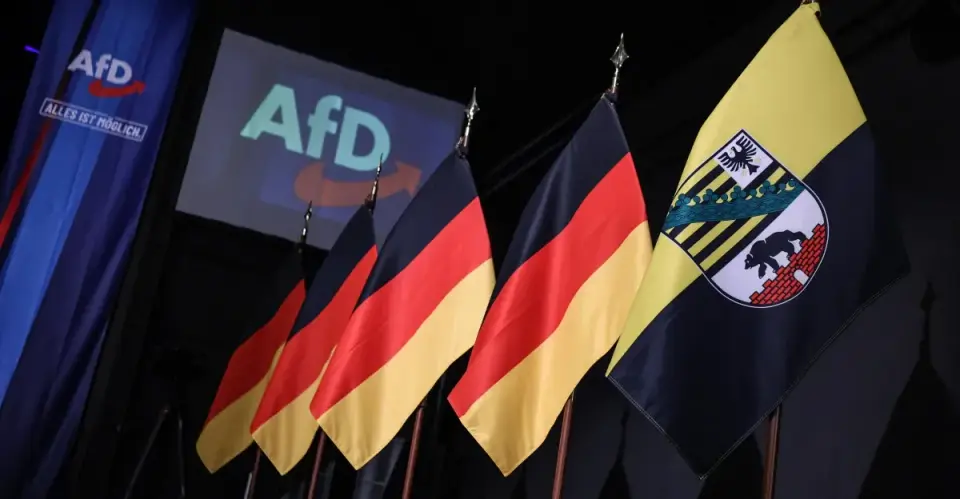
The Alternative for Germany (AfD) won 43.8% of the vote in Saxony-Anhalt, securing a plurality that could lead to the first far-right state government in Germany since the Nazi era. While the party remains under surveillance by German intelligence services, the result has triggered a political crisis in Berlin and drawn praise from the White House, which has actively supported the AfD’s rise.
Key points
- AfD won 43.8% in Saxony-Anhalt, a state of over 2 million people, placing it just short of a majority in the local parliament.
- Chancellor Friedrich Merz stated the result shook the Christian Democratic Union (CDU) 'to its very foundations,' highlighting fears of a national surge.
- The White House has publicly and privately lent support to the AfD, with Elon Musk previously speaking at an AfD rally while in office.
- German political parties maintain a 'Brandmauer' or cordon sanitaire, refusing to form coalitions with the AfD, though this strategy may be failing as the party grows.
- AfD’s 2025 platform includes 'remigration' policies and a blood-based definition of citizenship, with leaders like Björn Höcke convicted for using Nazi slogans.
Background
Recent archive coverage notes that four former members of the banned neo-Nazi group HDJ now hold influential roles in the AfD’s Saxony-Anhalt branch. Chancellor Merz has condemned the AfD’s 'remigration' policy as ethnic cleansing and canceled a planned call with President Trump following the election results. The AfD currently holds 151 seats in the Bundestag, second only to the CDU, and national polls suggest it could surpass the CDU in a federal election.
Why it matters
The Saxony-Anhalt election reveals a shift in US foreign policy, where the White House appears to prioritize the rise of far-right allies over traditional geopolitical stability. This outcome challenges Germany’s post-war democratic safeguards and tests the resilience of the cross-party firewall against the AfD, potentially reshaping European political dynamics.
What to watch
AfD leadership is negotiating with other factions to form a coalition government in Saxony-Anhalt, though success is uncertain. Elections in Berlin and Mecklenburg-Vorpommern are scheduled for later this month, raising concerns that the AfD may leverage local victories into a national surge. German political parties will continue to debate the effectiveness of the cordon sanitaire strategy.
- A Nazi-curious party just won big in Germany. The White House approves. vox.com
- This Tiny Anti-Establishment Party May Put Germany’s Far Right in Power The New York Times
- The German Far Right’s Shocking Victory in Saxony-Anhalt Is a Warning for Germany The Nation
- Germany's Merz accuses far-right AfD of calling for 'ethnic cleansing' Reuters
- What should Germany do about its rising right? The Economist
Want the full story? Read the original reporting
Read on vox.com