
world-politics5 min read
Global Right-Wing Setbacks in Brazil and Serbia Signal Democratic Resilience
1 month ago•Source: Vox
View original source
The latest world politics stories, each synthesized from multiple sources with added background and context.

Israelis vote on October 27 in a closely contested election that will determine the next government after three years of multi-front war. Polls show a tight race between Prime Minister Benjamin Netanyahu’s right-wing bloc and a diverse 'change bloc' led by former military chief Gadi Eisenkot. Neither side is expected to win a decisive majority of the 120-seat Knesset, potentially leading to protracted coalition negotiations, a minority government, or a second election. Key issues include the aftermath of the October 7, 2023, Hamas attack, military service exemptions for ultra-Orthodox Jews, and the ongoing conflict with Iran.

Fox News•1 month ago
vox.com•2 months ago
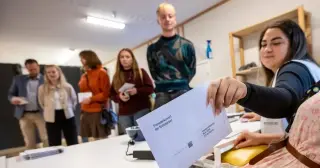
Preliminary results from Sweden’s 2026 general election show the center-left bloc led by Magdalena Andersson holding a narrow three-seat advantage over the ruling right-wing coalition. While the center-left is projected to win 176 of 349 parliamentary seats, the margin is razor-thin, with the far-right Sweden Democrats suffering their first electoral decline since 2010. Final results are pending, but the outcome may prevent the far-right from entering the cabinet for the first time in the current political era.
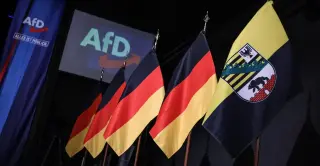
The Alternative for Germany (AfD) won 43.8% of the vote in Saxony-Anhalt, securing a plurality that could lead to the first far-right state government in Germany since the Nazi era. While the party remains under surveillance by German intelligence services, the result has triggered a political crisis in Berlin and drawn praise from the White House, which has actively supported the AfD’s rise.

The Alternative for Germany (AfD) won 43.8% of the vote in the Saxony-Anhalt state election, more than doubling its previous share and finishing far ahead of Chancellor Friedrich Merz’s Christian Democratic Union (CDU), which fell to 17.2%. This marks the first time a far-right party has been within reach of state-level power in Germany since World War II. While the CDU’s leadership initially dismissed the result as a regional anomaly, political analysts and international observers warn that the victory signals deep voter frustration with economic stagnation and immigration policies, threatening the stability of the federal government and testing the European 'firewall' against far-right coalitions.

The Alternative for Germany (AfD) won 43.8% of the vote in the Saxony-Anhalt state election, securing 39 seats in the 83-member parliament. Although the party fell three seats short of an absolute majority, the result places Chancellor Friedrich Merz under intense pressure to form a government without the AfD. Mainstream parties face a difficult choice: either attempt an unprecedented five-party coalition or risk a minority government reliant on AfD support. The outcome has triggered a sharp divide in international reactions, with far-right leaders and Elon Musk celebrating the win, while European officials and Poland’s government condemned it as a grave threat to stability.

Russian Finance Minister Anton Siluanov attended the G20 finance summit in Asheville, North Carolina, marking his first in-person appearance since the 2022 invasion of Ukraine. While U.S. officials framed the invitation as necessary for dialogue, European allies expressed strong objections, with some refusing to pose for the traditional group photo. Treasury Secretary Scott Bessent met with Siluanov but stated that no economic relief or sanctions relief is possible until the war in Ukraine ends.
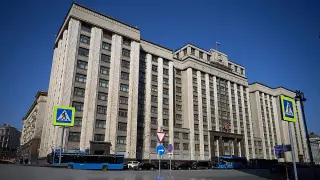
Russia's State Duma approved a sweeping law that will freeze bank accounts, block property sales, suspend licenses, and deny consular services to Russians living abroad who face political prosecution, a move lawyers say amounts to de facto loss of citizenship and a further tightening of the state's crackdown on dissent.
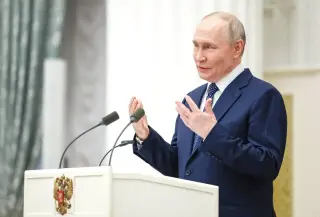
Russian Finance Ministry and central bank officials told Putin that current defense outlays are unsustainable for the budget and warned a widening deficit, advocating defense spending cuts and efficiencies to stabilize Moscow’s finances amid the war in Ukraine, according to Bloomberg News reporting.
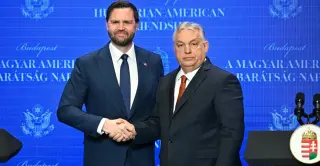
Hungary’s 2026 vote pits Viktor Orbán’s long-running rule against Péter Magyar’s Tisza, with polls suggesting the challenger leads. A Magyar victory would unsettle the MAGA-aligned autocracy model and potentially weaken Moscow’s influence, while an Orbán win could entrench the regime and its global sway.
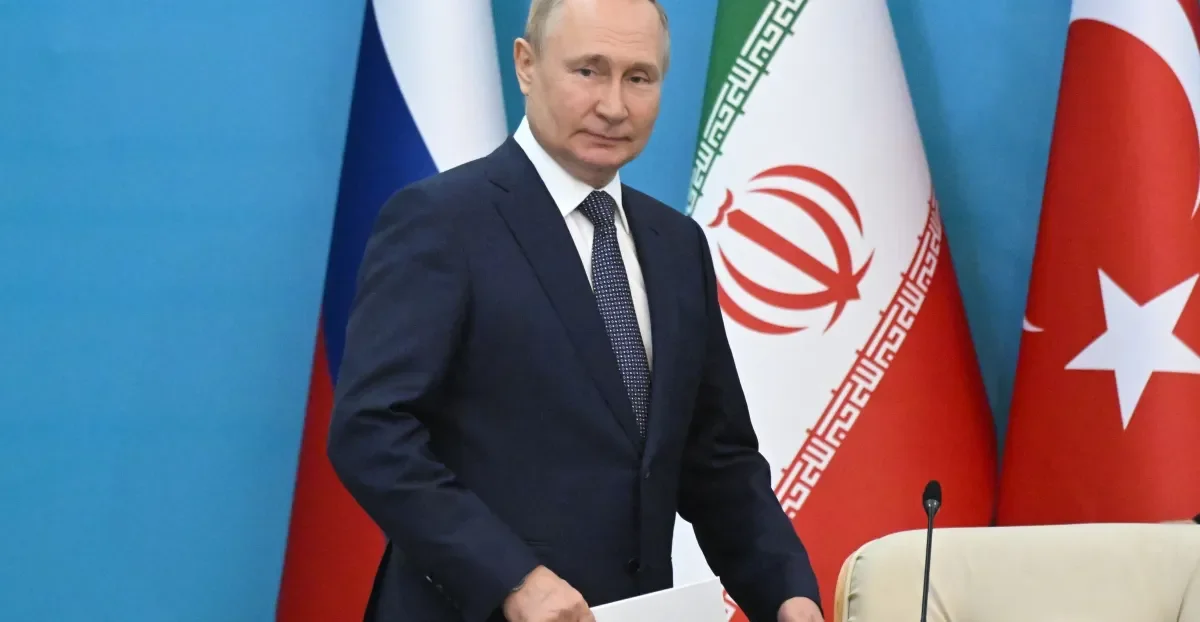
Vox argues that, despite Iran’s turmoil, Vladimir Putin emerges as the war’s clear beneficiary: soaring oil prices and a temporary easing of sanctions boost Russia’s revenue, while a distracted Western alliance and shifting Middle East dynamics reduce pressure on Moscow. The piece notes Russia’s growing leverage as it profits economically from the crisis, even as Ukraine seeks defense-tech gains and global sentiment toward the conflict complicates a united stance against Moscow.
A senior Kurdish opposition figure ties any possible Iranian ground incursion to the establishment of a U.S.-enforced no-fly zone over western Iran. Komala and allied Kurdish groups in Iraq’s Kurdistan Region say they have up to about 1,000 fighters ready, contingent on Kurdish unity and broad international backing, as U.S. policy on Kurdish involvement remains mixed amid regional drone attacks and shifting rhetoric after past threats and comments by Trump.