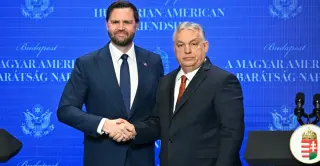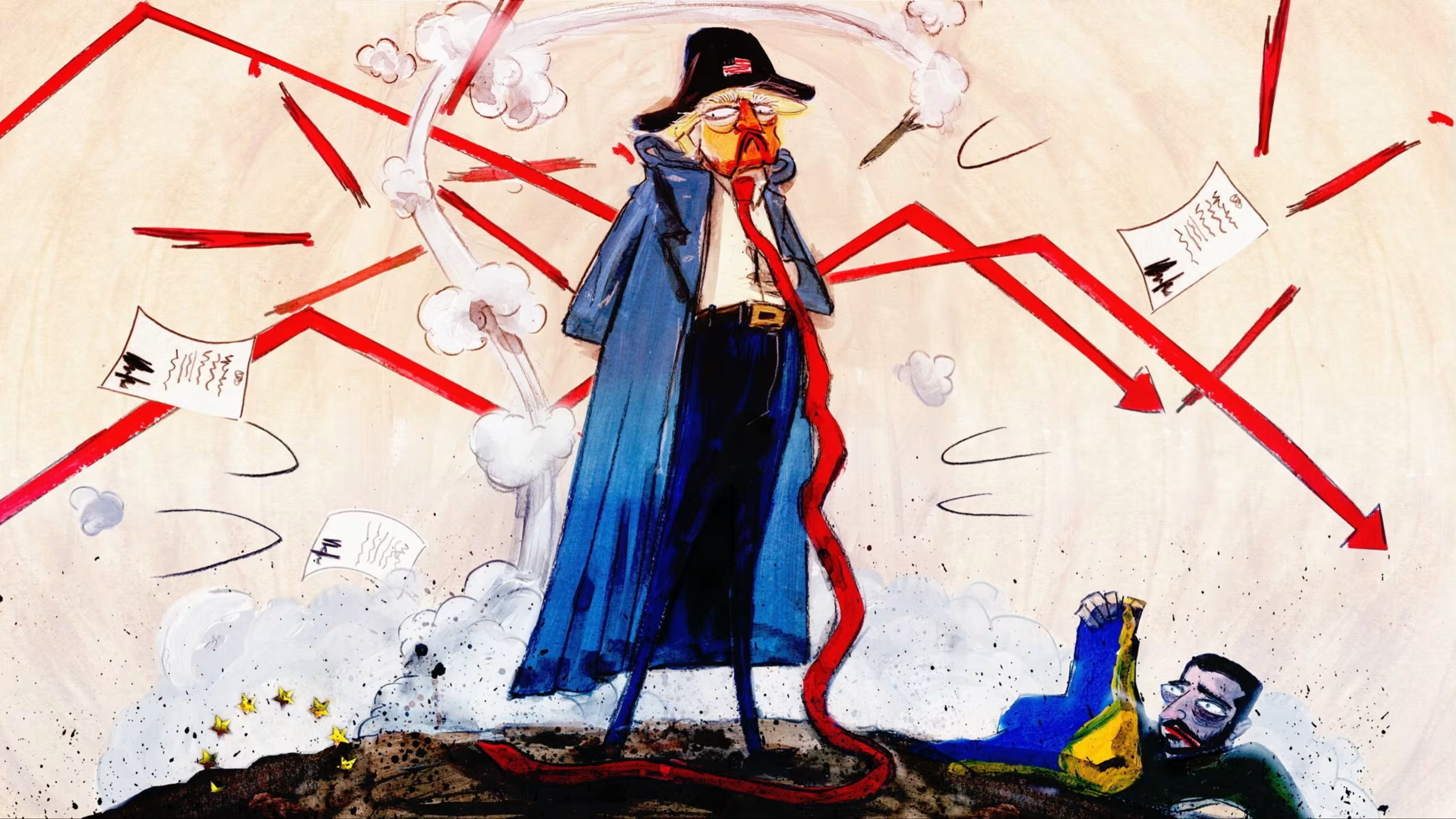
Hungary’s 2026 vote pits Viktor Orbán’s long-running rule against Péter Magyar’s Tisza, with polls suggesting the challenger leads. A Magyar victory would unsettle the MAGA-aligned autocracy model and potentially weaken Moscow’s influence, while an Orbán win could entrench the regime and its global sway.
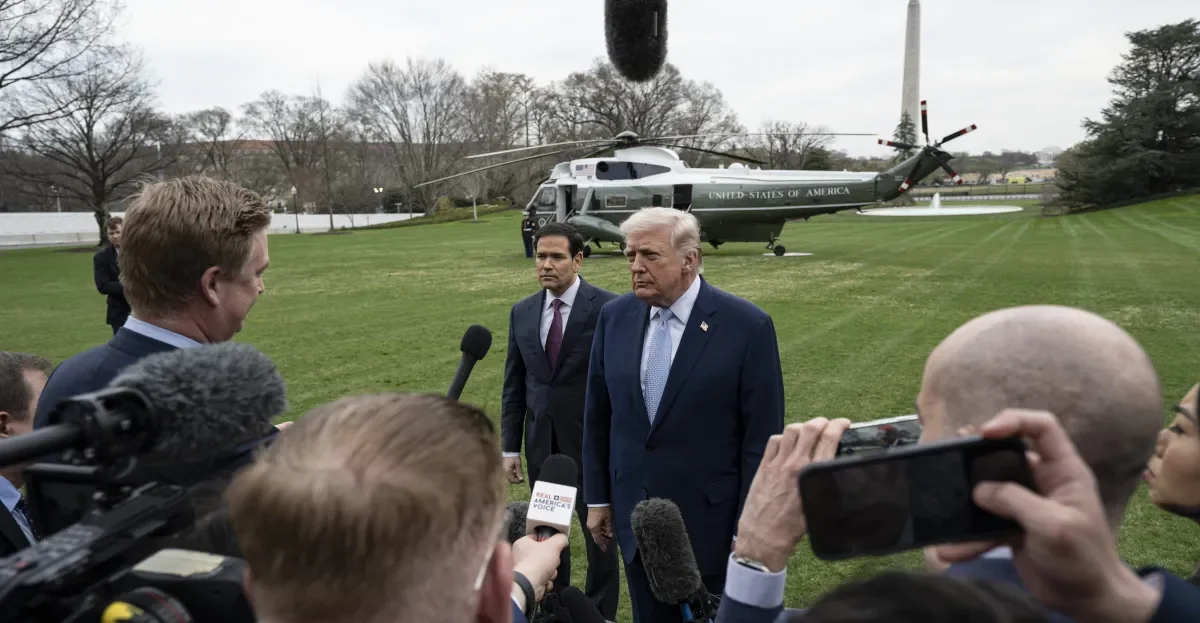
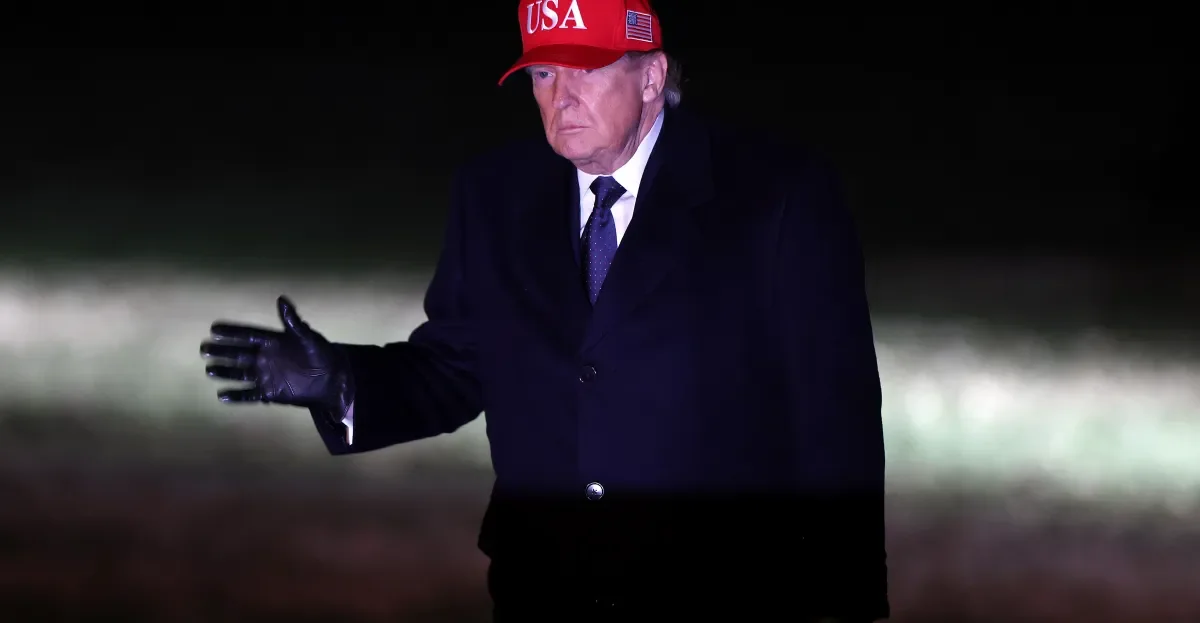
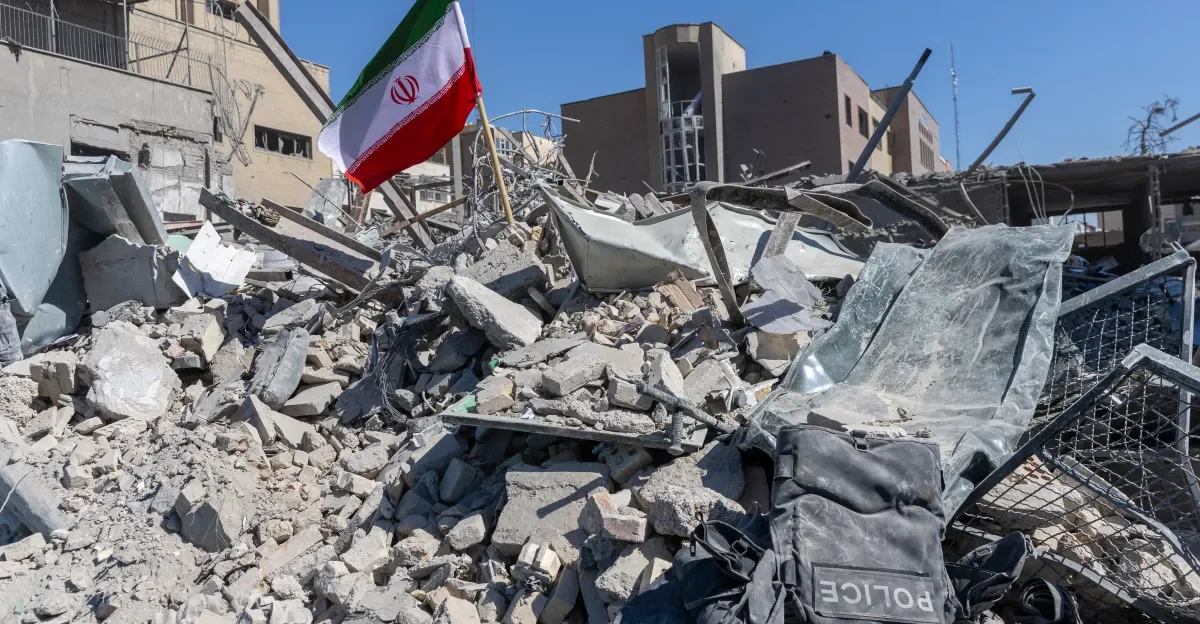
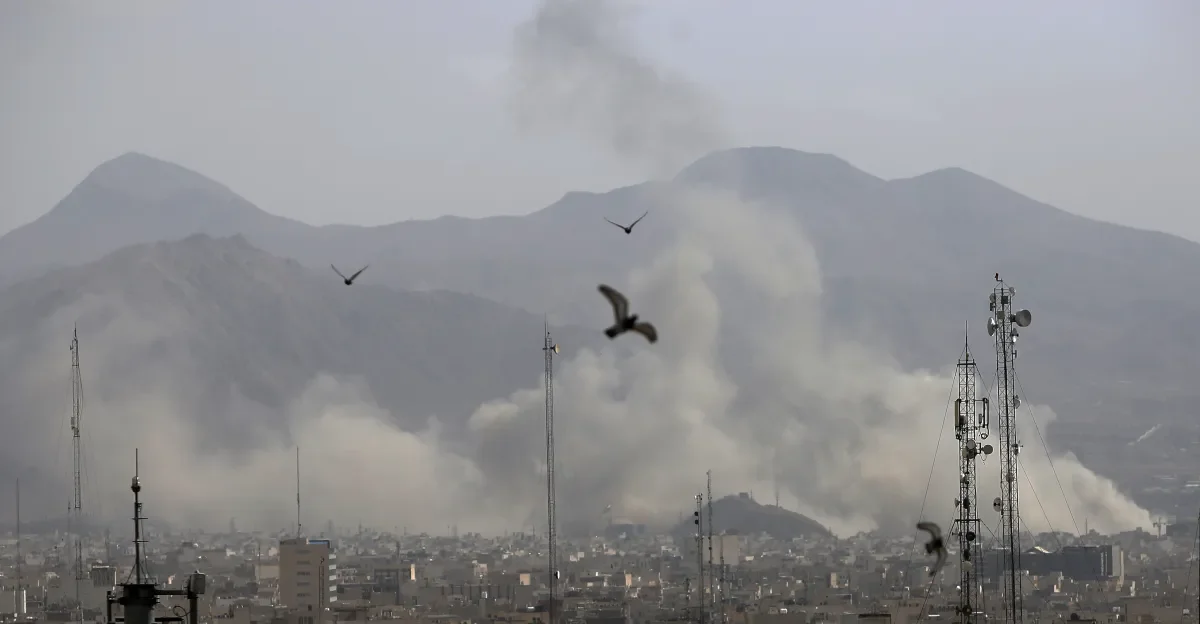
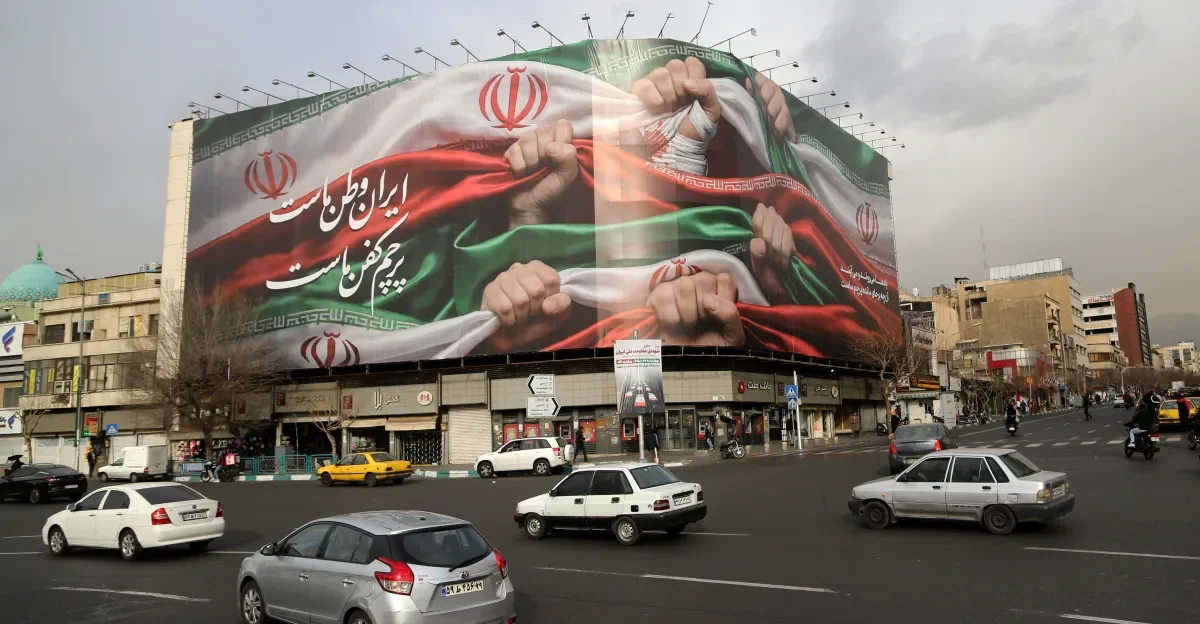
Trump says the Iran war is over and that the US has won, but Iran’s counterattacks (notably threats to the Strait of Hormuz) and regional diplomacy make a quick end unlikely; a durable ceasefire would require concessions both sides aren’t likely to accept, and domestic/political dynamics could delay any resolution.
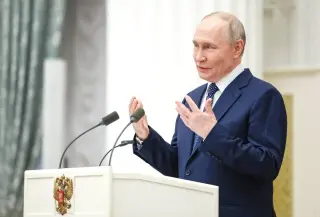
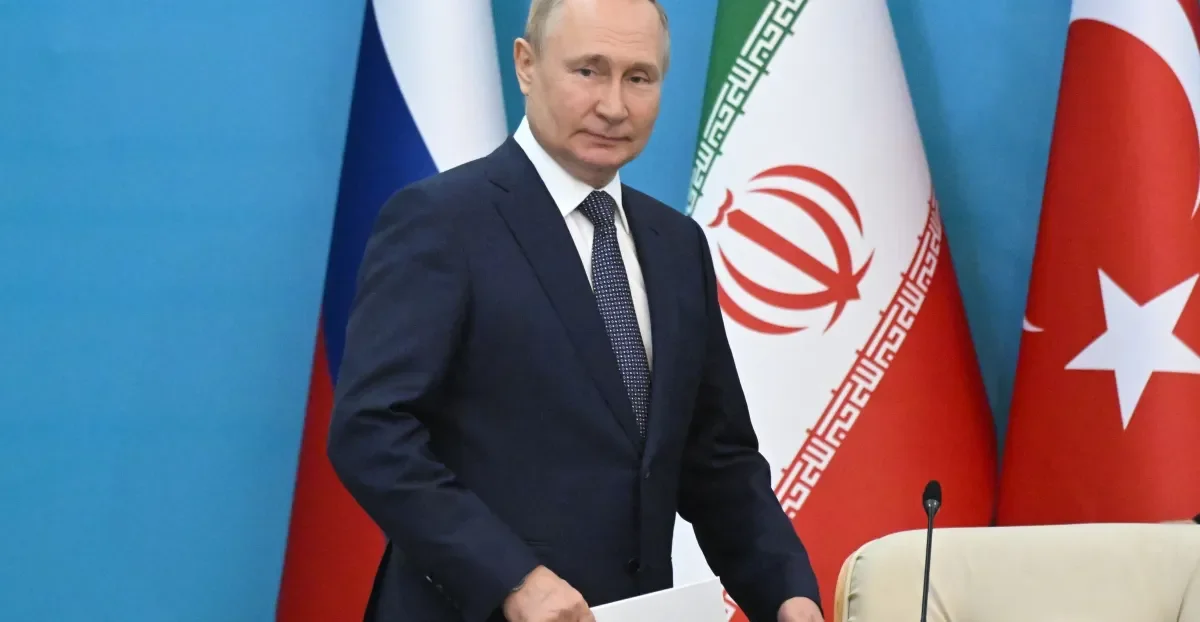
Vox argues that, despite Iran’s turmoil, Vladimir Putin emerges as the war’s clear beneficiary: soaring oil prices and a temporary easing of sanctions boost Russia’s revenue, while a distracted Western alliance and shifting Middle East dynamics reduce pressure on Moscow. The piece notes Russia’s growing leverage as it profits economically from the crisis, even as Ukraine seeks defense-tech gains and global sentiment toward the conflict complicates a united stance against Moscow.
A senior Kurdish opposition figure ties any possible Iranian ground incursion to the establishment of a U.S.-enforced no-fly zone over western Iran. Komala and allied Kurdish groups in Iraq’s Kurdistan Region say they have up to about 1,000 fighters ready, contingent on Kurdish unity and broad international backing, as U.S. policy on Kurdish involvement remains mixed amid regional drone attacks and shifting rhetoric after past threats and comments by Trump.
Four days into the US–Iran crisis, the Trump administration has yet to coherently justify its actions or articulate a clear objective, with Trump suggesting he may have forced Israel’s hand while Rubio offered a different rationale and officials floated shifting timelines—leaving an unknown endgame and postwar plan for Iran.
Experts say the US–Iran war is unlikely to end with regime change; the most plausible endings are a negotiated settlement or a limited U.S. victory declaration (a Venezuela-style deal), with Iran broadly intact. Escalation to a ground war is seen as unlikely but not impossible, making a tail-risk scenario of Iraq-style intervention the major wildcard.
Trump authorized major airstrikes on Iran alongside Israel, signaling a shift from his earlier calls against regime-change wars to a more interventionist posture with uncertain aims and risks of escalation, while critics warn the move could unleash instability and casualties.
Amid massive anti-government protests in Iran and a brutal crackdown, Trump weighs potential U.S. strikes but faces questions about whether intervention would help protesters, achieve strategic aims, or merely create new problems. The debate echoes past cases like Syria and Libya, with critics warning against limited or misguided action and a new Quinnipiac poll showing majority opposition to military action; allies urge restraint, leaving the decision uncertain and closely tied to credibility and risk of blowback.
The article discusses the key events that shaped world politics in 2025, highlighting significant global developments and their impact on international relations, as analyzed by the Financial Times.
A Polish official claimed that the US has warned Russia it would strike Russian targets in Ukraine with conventional weapons if Putin uses nuclear weapons. Former Russian President Dmitry Medvedev responded that such US actions would lead to a "world war." Putin has frequently issued nuclear threats since the invasion of Ukraine, and the situation remains tense with global implications.
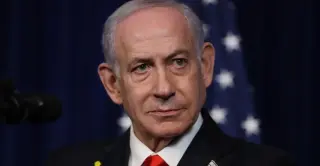
Israeli Prime Minister Benjamin Netanyahu declares plans to proceed with a military operation in the Gaza Strip city of Rafah, despite ongoing truce talks and Hamas claiming an inability to release 40 hostages. The lack of progress in negotiations raises questions about the fate of the 129 hostages still believed to be in Gaza, including Americans and citizens of other nations. Netanyahu's intention has caused friction with President Biden, who has demanded a cease-fire and warned of reconsidering support for Israel. Netanyahu faces domestic criticism and calls for early elections amid growing frustrations with his leadership.
Pro-Russia candidate Peter Pellegrini wins the Slovak presidential election, aligning the country more closely with Prime Minister Robert Fico's pro-Russian views, further splintering the EU. The EU's center is declining, with upcoming parliamentary elections in France expected to result in losses for centrists. European Council President's call for a war economy and waning support for Ukraine indicate potential financial crisis in Europe, with France and Italy at the epicenter. Support for Ukraine is dwindling in the US and Germany, while French President Macron's efforts may backfire.
As Russia intensifies its airstrikes and advances in Ukraine, President Zelensky faces limited options, from bad to worse, with no end to the fighting in sight. Retaking occupied territory seems unlikely, negotiations with Putin are politically toxic, and a ceasefire is a nonstarter. Aid from the US has been stalled, and Ukraine's military is short on troops and ammunition. Zelensky must manage public expectations and navigate constitutional constraints, while the possibility of a long, drawn-out war looms.
Rwanda is preparing to mark the 30th anniversary of the genocide against its minority Tutsi, with new mass graves still being discovered. President Paul Kagame, praised for bringing relative peace and stability, faces criticism for intolerance of dissent. France and its allies are criticized for lacking the will to stop the genocide. Rwanda's ruling party is firmly in charge, with no opposition, and Kagame has been accused of exploiting Western guilt over the genocide to entrench his grip on power. While the country has made progress in promoting national unity and economic growth, challenges remain, including poverty outside the capital, troubled relations with neighboring countries, and recent controversies over a deal with Britain to host migrants.
As Rwanda prepares to mark the 30th anniversary of the 1994 genocide, the discovery of new mass graves in rural southern Rwanda serves as a stark reminder of the challenges the country faces in achieving lasting peace and reconciliation. Despite government efforts to bridge ethnic divisions and promote unity, the ongoing discoveries of mass graves highlight the need for more to be done for true reconciliation. Traumatized survivors continue to be affected by the new findings, while some Rwandans express disappointment in their neighbors and the slow progress in overcoming the legacy of the genocide.