
Awá tribe emerges from isolation in Brazil, seeking food amid encroachment crisis
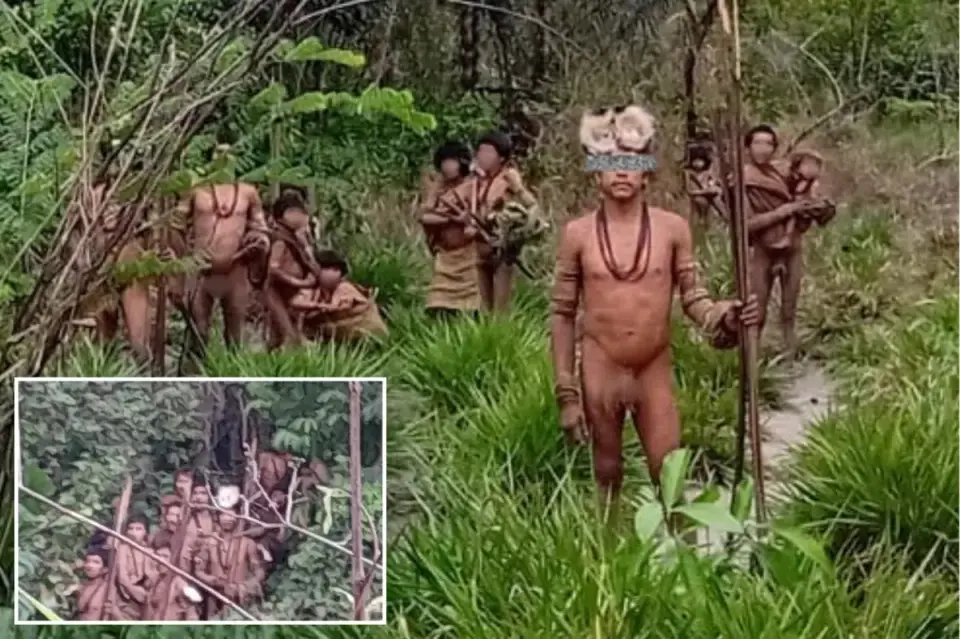
Approximately 20 members of the Awá, an Indigenous group living in voluntary isolation, emerged from the Amazon rainforest on November 16, 2026, to seek food from government workers and a neighboring community. Advocacy groups describe this rare contact as a crisis signal, indicating that illegal logging, hunting, and cattle ranching have shrunk their territory to the point of survival threat. While Brazilian authorities monitor the group’s health, NGOs warn that the encroachment has forced the self-sufficient tribe into a dangerous, shrinking island of forest.
Key points
- The Awá, considered one of the world’s most endangered tribes, made rare contact with government workers and the Guajajara community in the Arariboia Indigenous Territory in Maranhão state on November 16, 2026.
- The group, consisting of roughly 20 individuals, approached the outpost seeking yams, which they accepted before returning to their forest, according to Survival International.
- Survival International director Caroline Pearce described the encounter as a 'troubling indication' that continued invasion of uncontacted peoples' forests puts self-sufficient Indigenous groups in real danger.
- The Guajajara community, known as the Forest Guardians, reported that climate change, fires, deforestation, and land encroachment are directly impacting the Awá’s way of life, which relies exclusively on hunting and gathering.
- Coapima, an organization representing Indigenous groups in Maranhão, noted that some Awá members, particularly children and the elderly, showed signs of severe emaciation, raising concerns about their physical condition.
- Funai, the Brazilian public agency responsible for Indigenous affairs, stated that its technical teams are closely monitoring the situation and analyzing information regarding the group’s health.
Background
The Awá have historically lived in voluntary isolation, avoiding contact with modern civilization. Previous coverage from our archive highlights ongoing concerns about the group’s health and the threat of disease exposure due to unplanned contact. Advocacy groups have long warned that illegal logging, hunting, and cattle ranching have driven the Awá into a shrinking area of forest, forcing them to seek contact despite their historical isolation. The broader context includes political tensions in Brazil regarding environmental protections, with recent elections in northern states reflecting support for reviving gold mining, which Indigenous leaders warn poses a lethal threat to their survival.
How outlets are covering it
Survival International and the Guajajara community emphasize the crisis nature of the Awá’s emergence, attributing it to the failure of government protection measures and the encroachment of illegal loggers and cattle ranchers. They describe the encounter as a 'wake-up call' and urge the Brazilian government to commit resources to protect the Arariboia Indigenous Territory. In contrast, Funai, the Brazilian public agency responsible for Indigenous affairs, focuses on monitoring the group’s health and analyzing available information, without explicitly acknowledging the failure of protection measures. The Guajajara also highlight the risks of unplanned contact, noting that isolated groups are particularly exposed to diseases against which they have little to no immunity, a point not emphasized by Survival International in their initial reports.
Why it matters
The Awá’s emergence from isolation signals a critical failure in protecting Indigenous territories in the Amazon, raising concerns about the broader impact of illegal logging, hunting, and cattle ranching on uncontacted peoples. The event underscores the vulnerability of isolated groups to disease and the urgent need for stronger government action to safeguard their lands and way of life. It also highlights the ongoing tension between environmental protections and economic interests in Brazil, with political shifts potentially exacerbating the threat to Indigenous communities.
What to watch
Funai is expected to continue monitoring the Awá’s health and the situation in the Arariboia Indigenous Territory. Advocacy groups, including Survival International and the Guajajara, are likely to press the Brazilian government for immediate action to protect the Awá’s land and address the encroachment of illegal loggers and cattle ranchers. The outcome of the upcoming presidential election in Brazil may also influence the future of environmental protections and the safety of Indigenous communities in the Amazon.
Want the full story? Read the original reporting
Read on New York Post