
Global skepticism persists as Trump retains power despite Democratic midterm gains
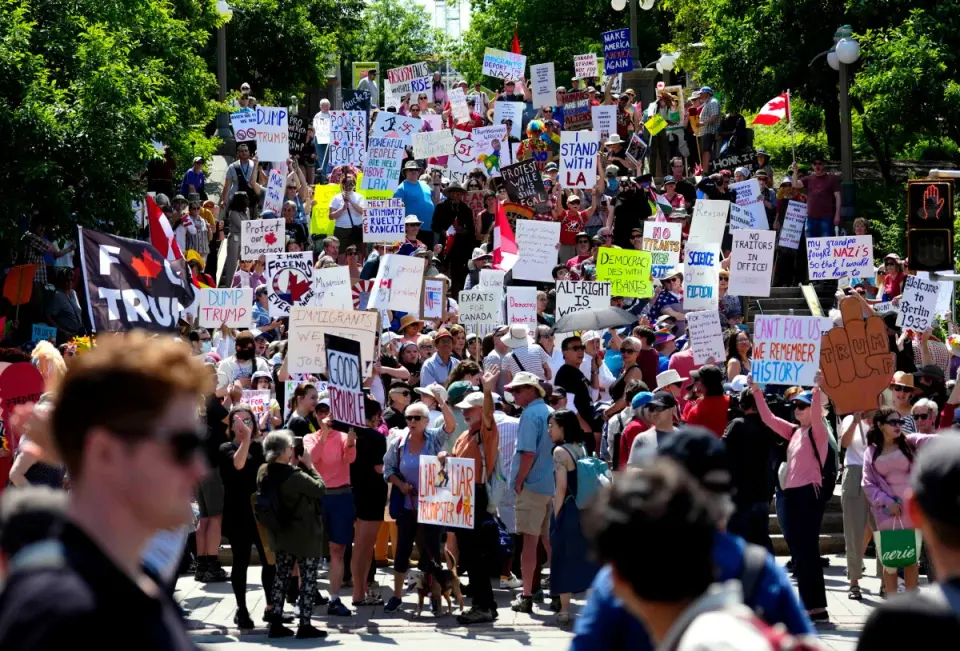
Although Americans voted to flip both houses of Congress to Democrats, global leaders and citizens remain deeply distrustful of the United States. The shift in power has not yet reversed the administration’s aggressive tariff policies, the war with Iran, or restrictive immigration measures. While some hope for a change in trajectory, many view the election as insufficient to restore confidence, noting that President Trump retains significant executive authority and has already replaced his chief of staff with a hardline ally.
Key points
- Democrats gained control of both the House and Senate in the November 2026 midterms, marking the largest political shift since 1974.
- Global observers, including leaders in Germany, South Korea, and Australia, expressed doubt that the election alone would reverse US foreign and trade policies.
- President Trump appointed Stephen Miller as White House Chief of Staff, replacing Susie Wiles, signaling a continued hardline stance on immigration.
- The US war with Iran, which began in June 2025, has cost an estimated $47.1 billion and remains a point of contention for international partners.
- Tariffs and economic instability continue to affect global supply chains, with businesses in China and Australia reporting significant financial impacts.
Background
This development follows the 2024 election of Donald Trump to a second term, which was preceded by internal fractures within his coalition, such as the resignation of Make America Healthy Again architect Calley Means in October 2026. The current global distrust stems from the administration’s two-year tenure, characterized by combative trade policies, military action in the Middle East, and a perceived erosion of democratic norms, which had already shaken international confidence before the recent midterm results.
How outlets are covering it
The Associated Press emphasizes the enduring 'profound distrust' of the US, highlighting that many global citizens and leaders view the midterm victory as insufficient to restore confidence, citing Trump’s continued executive power and recent personnel changes. In contrast, NPR focuses on the potential for legislative action, featuring historian Anne Applebaum’s analysis that Democrats could use appropriations and investigations to influence foreign policy, particularly regarding Iran and Ukraine. While the AP portrays a mood of skepticism and resignation, the NPR source suggests that congressional power offers a pathway for policy change, though it acknowledges the difficulty of overriding presidential vetoes. Both sources agree that the election did not immediately reverse the administration’s core strategies, but they differ on the likelihood of future shifts through legislative means versus executive inertia.
Why it matters
The persistence of US policies despite a change in Congress signals that global economic and security uncertainties may continue. If tariffs and military engagements are not reversed, international trade, energy prices, and diplomatic alliances could remain strained. The outcome determines whether the US will re-engage with international partners or continue its 'America First' isolationist approach, impacting global stability and economic growth for years to come.
What to watch
Democrats are expected to attempt to use their new majority to restrict funding for the Iran conflict and investigate foreign policy decisions. They may also push for legislation to reimpose sanctions on Russia, though success depends on overcoming potential presidential vetoes. Meanwhile, businesses and governments will monitor whether tariff rates are adjusted or if the administration continues its current trade agenda. The coming months will test whether the new Congress can force policy changes or if the executive branch maintains its current course.
- After the US midterm rout of Trumpism, the world struggles to trust America again AP News
- What will a lame-duck Donald Trump get up to overseas? The Economist
- Three ways Democrats could reshape U.S. foreign policy after the midterms NPR
- Five Ways Trump Can Push His Agenda Abroad After Midterms Losses Bloomberg.com
- Midterms upended Congress but Trump still commands foreign policy Reuters
Want the full story? Read the original reporting
Read on AP News