
Nepal Floods: Quick Evacuation Saves 900 Students as Schools Face Widespread Destruction
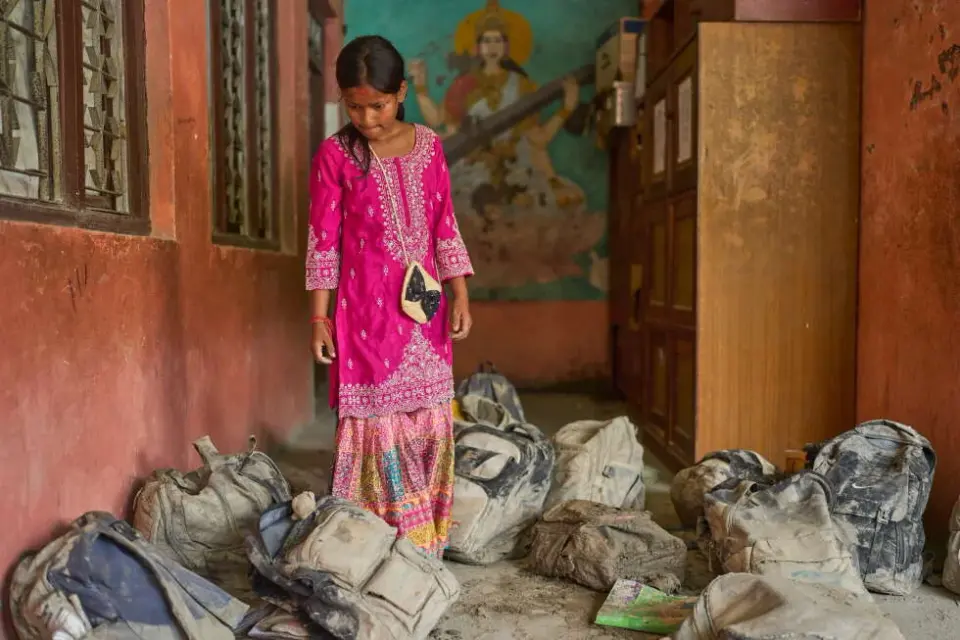
A headteacher in Nepal saved 900 students by evacuating his school minutes before a deadly flash flood struck, while other schools relied on lunch breaks and rapid teacher alerts to avoid casualties. The disaster, caused by a glacial collapse, has killed nearly 800 people and left thousands missing, with widespread damage to educational infrastructure.
Key points
- Rajendra Dawadi, headteacher of Tribhuvan Trishuli Secondary School in Nuwakot, evacuated 900 pupils after receiving four warning calls at 09:10 local time, just 10 minutes before the flood hit.
- The flood, caused by a glacial collapse on the Nepal-Tibet border, has killed at least 781 people and left over 2,500 missing, including 592 foreigners.
- In Dhading, students survived because they were on a lunch break when the water arrived, while others escaped after teachers ordered immediate evacuation.
- At least 69 schools have been destroyed or damaged, affecting nearly 19,000 children, according to Save the Children.
- The school building in Nuwakot was buried under mud and debris, but Dawadi’s decision to act immediately prevented a mass casualty event.
Background
The Nepal-Tibet floods struck on Wednesday morning, following earlier reports of devastating flooding in the Langtang Valley tied to glacier collapse and climate change. The disaster has prompted calls for a global response to climate change, with Nepal’s foreign minister highlighting the country’s disproportionate vulnerability despite low fossil fuel emissions.
How outlets are covering it
AP News emphasizes the role of lunch breaks and alert teachers in saving lives across multiple schools, while BBC and The Guardian focus on the specific actions of headteacher Rajendra Dawadi in Nuwakot. BBC provides detailed accounts from students and parents, including the emotional reunion of a student with her family three days later. The Guardian highlights the broader impact on schools, citing Save the Children’s data on 69 damaged schools and 19,000 affected children. All sources agree on the severity of the disaster and the critical role of rapid decision-making in saving lives.
Why it matters
The incident underscores the vulnerability of educational institutions in disaster-prone regions and the importance of emergency preparedness and rapid response. It also highlights the broader impact of climate change on communities in the Himalayas, where glacial collapses are becoming more frequent and devastating.
What to watch
Rescue efforts continue in Nepal, with over 3,700 people rescued so far. Families are still waiting for news of missing relatives, and the country is grappling with the aftermath of the disaster, including the destruction of schools and infrastructure. Long-term recovery and climate adaptation measures are expected to be critical in the coming months.
- Saved by a lunch break: Nepal floods destroyed many schools, but students at this school survived AP News
- Head teacher evacuated 900 children minutes before Nepal floods hit school BBC
- Headteacher saves 900 children from deadly flash flood in Nepal The Guardian
- Headteacher saved 900 pupils from Nepal floods in dramatic evacuation Yahoo
- Teacher saved 1,643 children from Nepal flash floods The Times
Want the full story? Read the original reporting
Read on AP News