
Kyiv’s Daily Life Fractures as Russian Air Raids Intensify Post-Diplomatic Pause
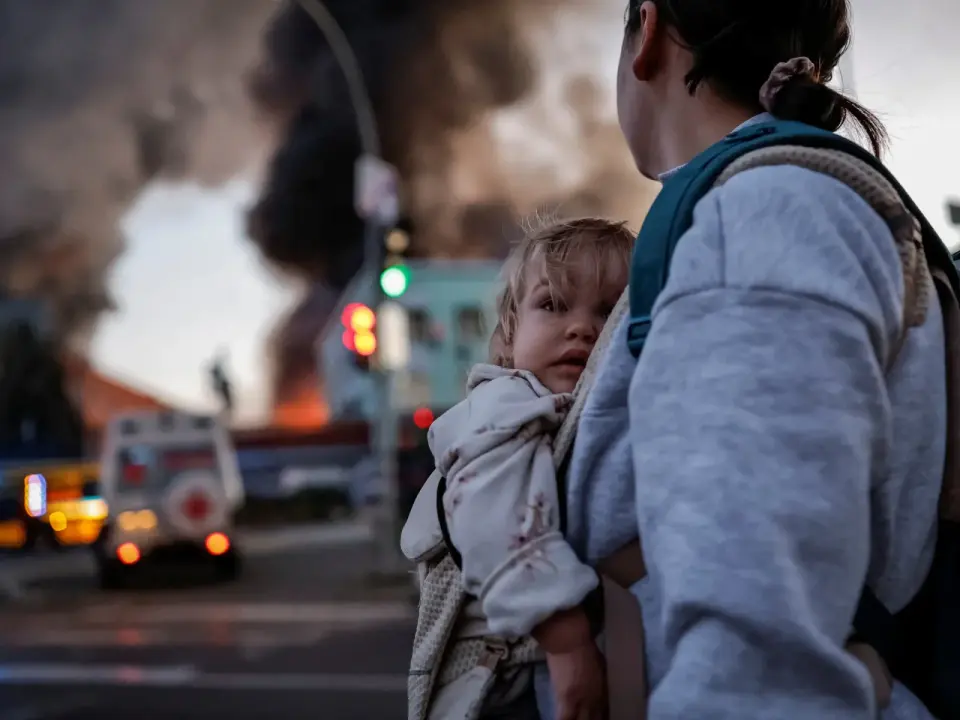
Russian air raids on Kyiv have surged in frequency and duration since mid-August 2026, disrupting daily life and infrastructure. A brief pause during US diplomatic visits ended with a massive overnight strike that killed three and injured ten. While Ukraine reports deep strikes on Russian gas facilities, civilians face severe disruptions to education, transport, and mental health as the war enters its fourth year.
Key points
- Air raid frequency in Kyiv jumped from five weekly incidents in June-August to 34 in the fourth week of August, with total duration rising from 2.3 to 23.2 hours per week, according to UA.news.
- A massive overnight strike on September 8 ended a brief pause during visits by US envoys Steve Witkoff and Jared Kushner, killing three and injuring at least 10, per Financial Times.
- Ukraine’s Special Operations Forces reported their deepest strike inside Russia, targeting gas condensate plants in the Yamalo-Nenets region with drones traveling 3,000 km, according to Euronews.
- Civilians report severe disruptions, including three-hour subway delays, school closures, and mental health crises, with one resident noting her brain is not functioning due to constant sirens, per Al Jazeera.
- Kyiv introduced a two-tier air raid alarm system on September 8 to manage the intensification of daytime drone attacks, as reported by the Financial Times.
Background
This escalation follows earlier reports of Russia’s reliance on WWII-era mass assault tactics and forced enlistment to sustain its war effort. Ukraine has also been deploying fiber-optic drones for close-range attacks, reflecting a shift in tactical innovation despite Russian manpower advantages.
How outlets are covering it
Al Jazeera emphasizes the human toll, detailing how residents adapt through stoicism and altered routines, while highlighting the psychological impact on children and workers. The Financial Times focuses on the diplomatic failure, noting that Russian strikes resumed immediately after US envoys left, and highlights Ukraine’s need for more interceptors. Euronews provides a broader view, linking the strikes to Ukraine’s deep strikes on Russian gas infrastructure and Zelenskyy’s diplomatic efforts in Canada. NBC News highlights the resilience of Ukrainian media, noting that journalists continued broadcasting after a drone strike on the My-Ukraina TV station, underscoring the war’s impact on information infrastructure.
Why it matters
The intensification of air raids signals a shift in Russian strategy to terrorize civilian populations, straining Ukraine’s infrastructure and mental health systems. The failure of US-led peace talks and the resumption of strikes highlight the fragility of diplomatic efforts, while Ukraine’s deep strikes on Russian energy sites indicate a growing capacity to target critical infrastructure, potentially influencing global energy markets.
What to watch
Ukraine expects further strikes on energy infrastructure as winter approaches, exacerbating blackouts and civilian hardship. Diplomatic efforts may continue, but the immediate resumption of attacks suggests limited progress. Ukraine’s reliance on foreign interceptors remains critical, and any shortfall could leave cities exposed to ballistic missile attacks.
- Russia’s new shelling tactics deepen suffering in Ukraine Al Jazeera
- Ukrainian journalists keep working after Russian drone slams into Kyiv TV station NBC News
- At least three killed in Russian attack as Zelenskyy travels to Canada Euronews.com
- Russia Bombards Kyiv Soon After Witkoff, Kushner Leave The New York Times
- Russia launches missile strikes against Kyiv as pause in raids ends Financial Times
Want the full story? Read the original reporting
Read on Al Jazeera