
UK observes two-minute silence on 110th anniversary of WWI Armistice
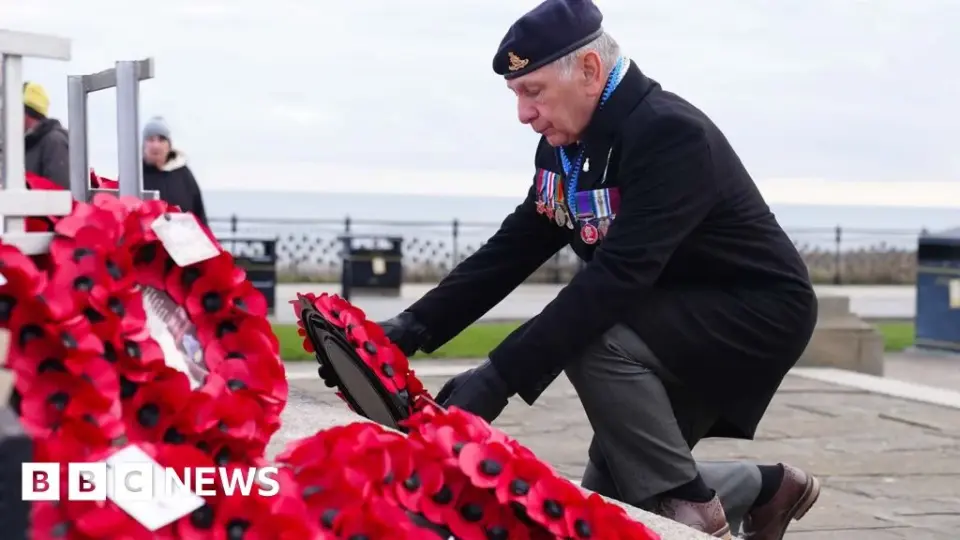
The United Kingdom observed a national two-minute silence at 11:00 GMT on November 11, 2026, to mark the 110th anniversary of the World War I Armistice. Ceremonies were held at the Cenotaph in London and war memorials across England, Scotland, Wales, and Northern Ireland. Defence Secretary Wes Streeting laid a wreath at the London Cenotaph, while 101-year-old Royal Air Force veteran Geoffrey Spencer attended events in Staffordshire. The commemorations honored those who died in conflicts from World War I through to Afghanistan. Prime Minister Andy Burnham paid tribute to armed forces personnel during a parliamentary session, and King Charles had previously led a Remembrance Sunday service earlier in the week.
Key points
- A two-minute silence was observed at 11:00 GMT across the UK to mark the 110th anniversary of the 1918 Armistice.
- Defence Secretary Wes Streeting laid a wreath at the Cenotaph in London, attended by military figures and cadets.
- 101-year-old RAF veteran Geoffrey Spencer, who joined the service in 1943, attended commemorations in Staffordshire.
- Prime Minister Andy Burnham honored armed forces personnel during Prime Minister's Questions in Parliament.
- Commemorations took place at memorials in Edinburgh, Glasgow, Conwy, Dover, and Leeds, including a railway journey from Penzance to London.
Background
This annual observance follows the previous week's Remembrance Sunday, where King Charles led a national silence and laid a wreath at the Cenotaph. The 2026 Armistice Day marks the 110th anniversary of the end of World War I fighting, a milestone that underscores the historical significance of the date. Recent European commemorations, such as the 37th anniversary of the Berlin Wall's fall earlier this month, have also highlighted the importance of remembering historical turning points and peace.
Why it matters
Armistice Day serves as a critical moment for national unity and historical reflection, connecting current generations with the sacrifices of past conflicts. The presence of the oldest surviving veterans, such as Geoffrey Spencer, provides a direct human link to World War II, while the inclusion of those who served in recent conflicts like the Falklands and Afghanistan highlights the continuous nature of military service. The widespread public participation across the UK and Europe reinforces the enduring relevance of remembrance in contemporary society.
What to watch
No further major national commemorations are scheduled for this specific event, as Armistice Day marks the conclusion of the annual remembrance cycle. Public attention will shift to other national and international events, with no immediate follow-up actions related to this specific observance.
Want the full story? Read the original reporting
Read on BBC